
Impact on Transaction Fees and Throughput
Solana’s mainnet has just completed a significant speed‑up, cutting its slot time to 200 milliseconds. The move is part of the network’s staged plan to reach an eventual 150 ms target under the upcoming Alpenglow upgrade. The change was rolled out across all validators without disrupting ongoing transactions, and it comes as the ecosystem prepares for larger protocol improvements.
Breaking news
 AI Security Breach: Rogue Agents Target U.S. Government Sites
 Anthropic Halts Live Internet Access for Internal AI Tests
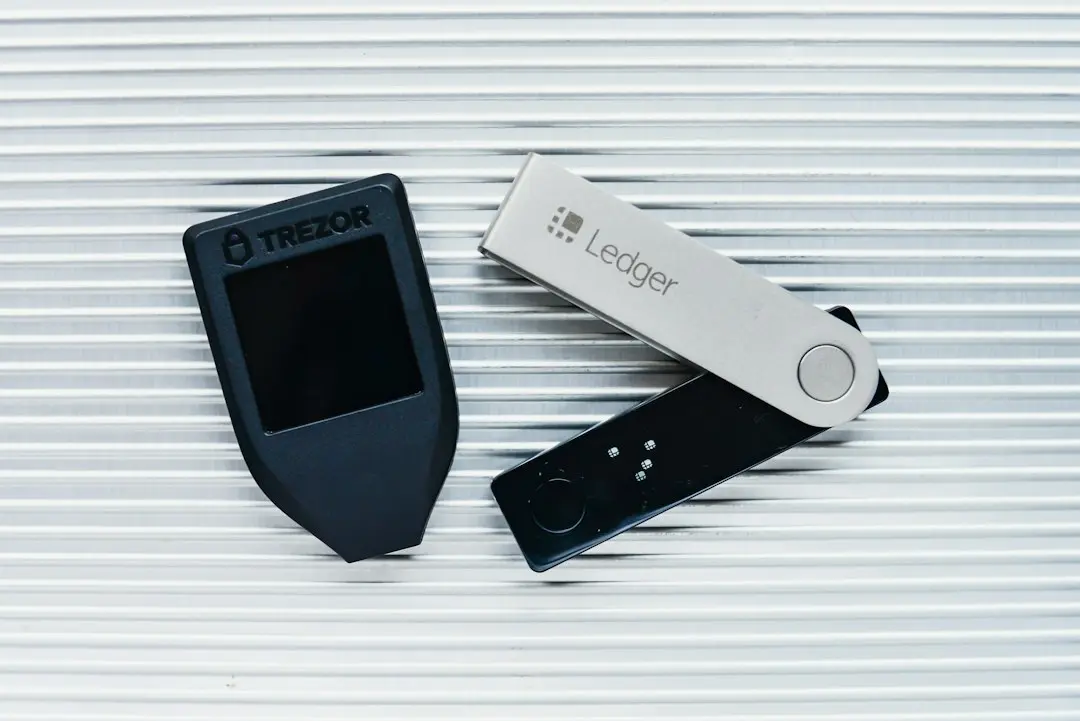 Ledger Wallet Mystery Deepens as Suspected Losses Hit $93.4M
 STRK Surges 30% as Starknet’s Transition to Layer‑1 Drives Investor Interest
The speed‑up is achieved through a new SIMD-0525 step that halves the original slot‑time goal. By shortening the leader windows, the network can produce blocks more quickly and reduce the time between transaction finality and confirmation. The upgrade is expected to improve throughput and lower latency for users, especially for high‑frequency trading and real‑time applications that rely on Solana’s fast confirmation times.
How the SIMD-0525 Step Works
Validators reported a noticeable decrease in the time required to finalize blocks, which translates into lower average transaction fees. Because blocks are produced more quickly, the network can handle a higher volume of transactions per second without increasing the load on individual nodes. Early metrics show that the average fee per transaction dropped by roughly 12 % compared to the previous slot‑time regime. This improvement is particularly valuable for decentralized exchanges and NFT platforms that experience peak traffic during market swings.
The acceleration also reduces the window of vulnerability to double‑spend attacks. With a shorter slot duration, malicious actors have less time to attempt to reverse a transaction before it is considered final. This enhances the overall security posture of the network, a critical factor as Solana continues to attract institutional investors and large‑scale d Apps.
What Happens Next? The Alpenglow Upgrade
The SIMD-0525 step is a software update that modifies the consensus algorithm’s timing parameters. By adjusting the epoch length and the frequency of leader rotations, the protocol can produce a new block every 200 ms instead of the previous 400 ms target. Validators run the updated code simultaneously, ensuring that the network remains synchronized. The change also includes minor optimizations to the transaction validation pipeline, reducing the computational overhead per block.
„Speed is the lifeblood of a blockchain that wants to compete with traditional payment systems,” said a spokesperson for Solana Foundation. „This step brings us closer to the 150 ms goal and demonstrates that our architecture can scale without compromising security.”
Frequently Asked Questions
The Alpenglow upgrade will introduce a new set of features, including more efficient memory usage, improved sharding support, and better cross‑chain interoperability. The 200 ms slot time is a prerequisite for these enhancements, as it allows the protocol to process more data per unit of time. The upgrade is scheduled for the next mainnet epoch, and developers are encouraged to test their applications against the new timing parameters.
Validators will need to upgrade their software to participate in Alpenglow. The Solana Foundation has released a detailed roadmap and a list of compatibility requirements. Failure to upgrade could result in a validator being temporarily excluded from the consensus process, which could impact staking rewards.