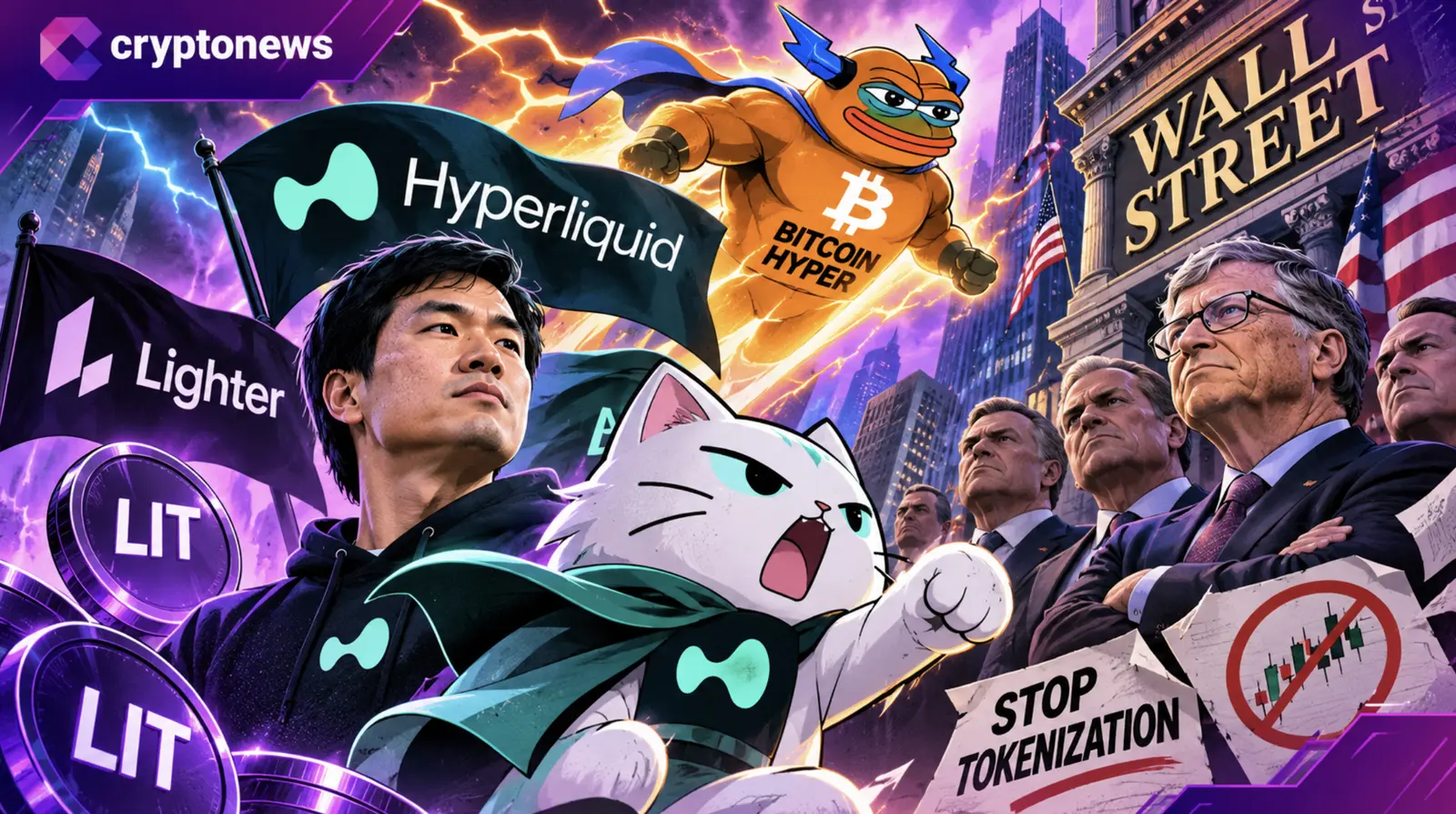
Corporate Pushback Halts Digital Equities
Decentralized platform Hyperliquid faces growing market pressure from the LIT protocol as traditional financial institutions strongly reject the tokenization of public equities. Fifty major publicly traded corporations have formally opposed plans to represent their shares on blockchain networks via a controversial joint venture between the New York Stock Exchange parent and OKX.
Breaking news
 Russia Opens Bitcoin Trading to Retail Investors
 Dogecoin Co-Founder Identifies Weak Demand as Catalyst for Crypto Market Slump
 Dogecoin Bounces Back After Brutal 65% Year-Long Slide
 Bitcoin Miners Face Hardware Shortage as AI Boom Strains Chip Supply
The pushback centers around OKXICE, a collaborative initiative designed to bridge traditional equity markets with digital asset infrastructure. Traditional corporate leaders remain deeply skeptical of permissionless trading environments. This institutional hesitation creates a difficult environment for platforms trying to offer decentralized stock exposure to global retail investors.
The coordinated resistance from fifty leading companies highlights a major ideological divide between traditional financial regulators and decentralized finance innovators. While crypto exchanges view tokenized shares as the next logical step for global liquidity, corporate executives worry about market volatility, shareholder rights, and regulatory compliance.
Can Decentralized Exchanges Survive Traditional Finance Backlash?
These concerns threaten the momentum of alternative trading venues. Platforms that rely on seamless onchain equity integration now must navigate a complex landscape of legal threats and cease-and-desist notices from issuers who refuse to allow their company stock on decentralized ledgers.
The ongoing conflict between Wall Street boards and crypto platforms will likely determine whether synthetic equities can coexist with regulated stock exchanges. If major corporations successfully block tokenization initiatives, decentralized exchanges may need to pivot entirely toward native crypto assets and algorithmic commodities.
Frequently Asked Questions
Market observers note that regulatory clarity remains the ultimate hurdle for hybrid financial products. Until institutional frameworks evolve to accommodate blockchain settlement, platforms promoting tokenized traditional assets will face continuous legal and operational roadblocks from corporate America.
What is the primary cause of friction between Wall Street and crypto platforms? Traditional corporations strongly object to having their equities tokenized and traded on decentralized blockchain networks without direct corporate authorization.
Who is leading the OKXICE joint venture initiative? The platform is a collaborative effort between major crypto exchange OKX and Intercontinental Exchange, the parent company of the New York Stock Exchange.