Adapting the Model for U. S. Compliance
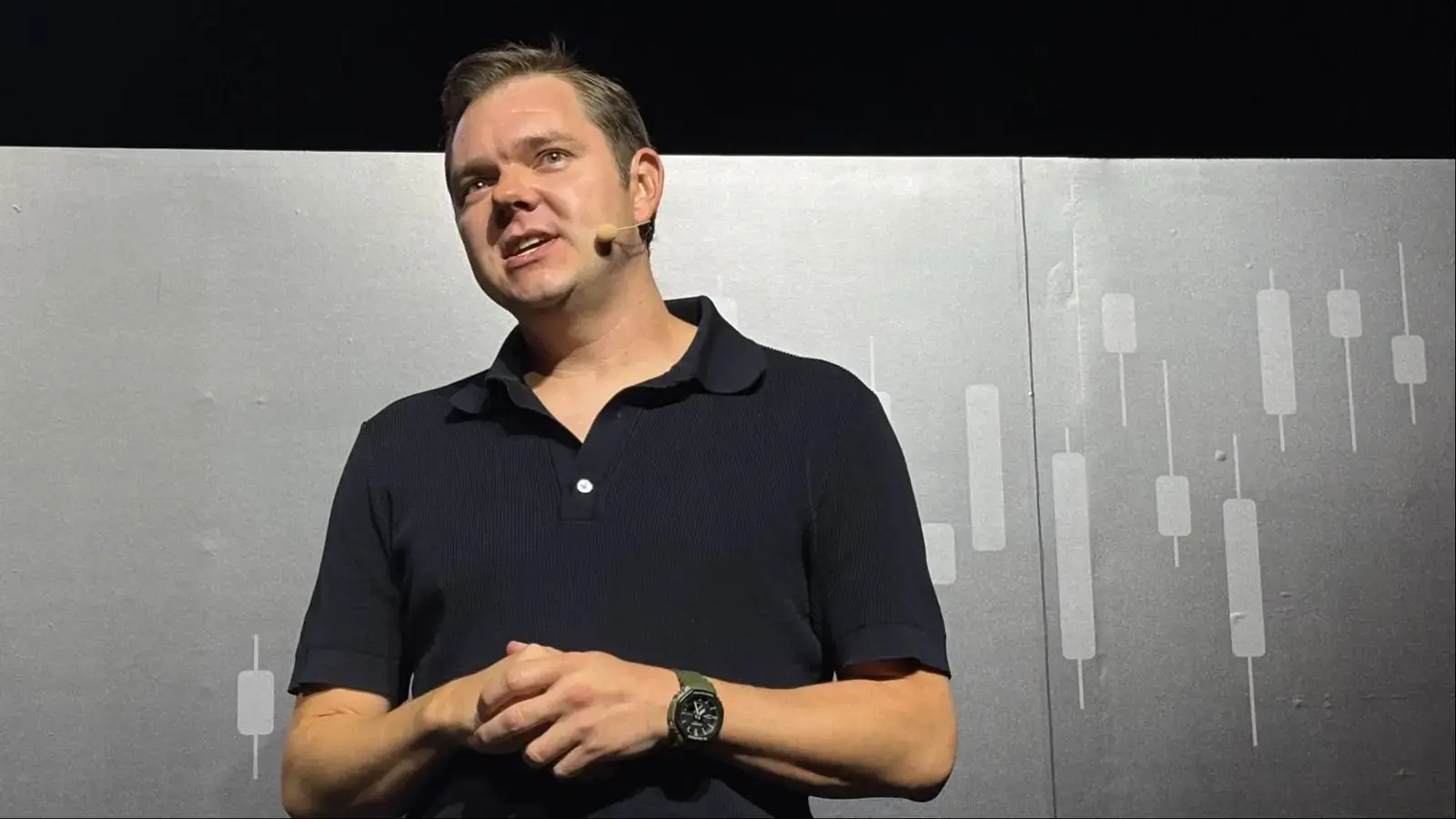
Ondo Perps, a platform offering perpetual futures contracts, announced that the United States presents a significant opening for its product. CEO David Wells highlighted the potential during an interview at the company’s event in Seoul, South Korea, noting that a U. S. version would differ from the current international offering. The comments come amid growing interest from U. S. regulators and firms exploring how to bring perpetual futures to the domestic market.
Breaking news
 Spiral Integrates Bitcoin Payments into Mesh LLM for Machine-to-Machine AI Compute Trading
 Strike Introduces Stacks to Organize Bitcoin Savings Into Custom Buckets
 CFTC Chair Announces New Crypto Rulemaking to Prevent FTX-Style Collapse
 Binance Expands Margin Collateral Options with New Equity-Linked Tokens
Wells explained that the U. S. market’s size and regulatory environment could support a new model for perpetual contracts. He emphasized that the platform would need to adapt to local compliance requirements and investor expectations. „We see a huge opportunity,” Wells said, „but it will look different from what we currently run for non-U. S. users.” The company’s existing model, which operates outside the United States, has attracted a global user base seeking low‑fee, high‑leverage trading options.
Will U. S. Retail Investors Embrace Perpetual Futures?
The U. S. regulatory landscape is distinct, with the Commodity Futures Trading Commission (CFTC) and the Securities and Exchange Commission (SEC) overseeing derivatives markets. Wells noted that Ondo Perps would need to align with these agencies’ rules, potentially involving new licensing, reporting, and risk‑management protocols. The company plans to engage with regulators early to shape a compliant framework. This proactive approach could position Ondo Perps as a pioneer in the U. S. perpetual futures space, offering a product that balances innovation with regulatory certainty.
Perpetual futures, also known as „perps,” allow traders to hold positions indefinitely, with funding rates that keep prices anchored to spot markets. The format has gained popularity in Asia and Europe, but U. S. retail investors remain cautious. Wells believes that a tailored U. S. product could attract both seasoned traders and newcomers by providing transparent fee structures and robust risk controls. He cited the growing demand for alternative investment vehicles among U. S. retail investors, suggesting that perps could fill a niche for those seeking higher returns without traditional futures contracts.
The company’s Seoul event showcased live demonstrations of its platform, highlighting features such as real‑time margin calculations and automated liquidation safeguards. These tools aim to address concerns about volatility and leverage, which are common hurdles for U. S. traders.
The Road Ahead: Regulatory Approval and Market Adoption
Ondo Perps is currently in discussions with U. S. regulators to determine the feasibility of launching a domestic product. The company’s strategy involves creating a hybrid model that incorporates local compliance while retaining the core appeal of its international service. If approved, the platform could launch within the next 12 to 18 months, potentially reshaping the U. S. derivatives market by offering a new, more accessible form of perpetual futures.
The broader impact could be significant. A successful U. S. launch would encourage other fintech firms to explore similar products, increasing competition and innovation in the derivatives space. It could also provide U. S. investors with more diversified trading options, potentially driving higher liquidity and market depth.
What makes Ondo Perps’ U. S. model different from its current international offering? The U. S. model will incorporate stricter regulatory compliance, tailored risk management, and localized fee structures to meet domestic investor expectations.
Frequently Asked Questions
When might the U. S. version of Ondo Perps become available? If regulatory approval is secured, the platform could launch within 12 to 18 months, though exact timelines depend on the approval process.
Will U. S. retail investors be able to use the same leverage levels as in other markets? Leverage levels may be adjusted to comply with U. S. regulations and risk‑management standards, potentially differing from those offered internationally.