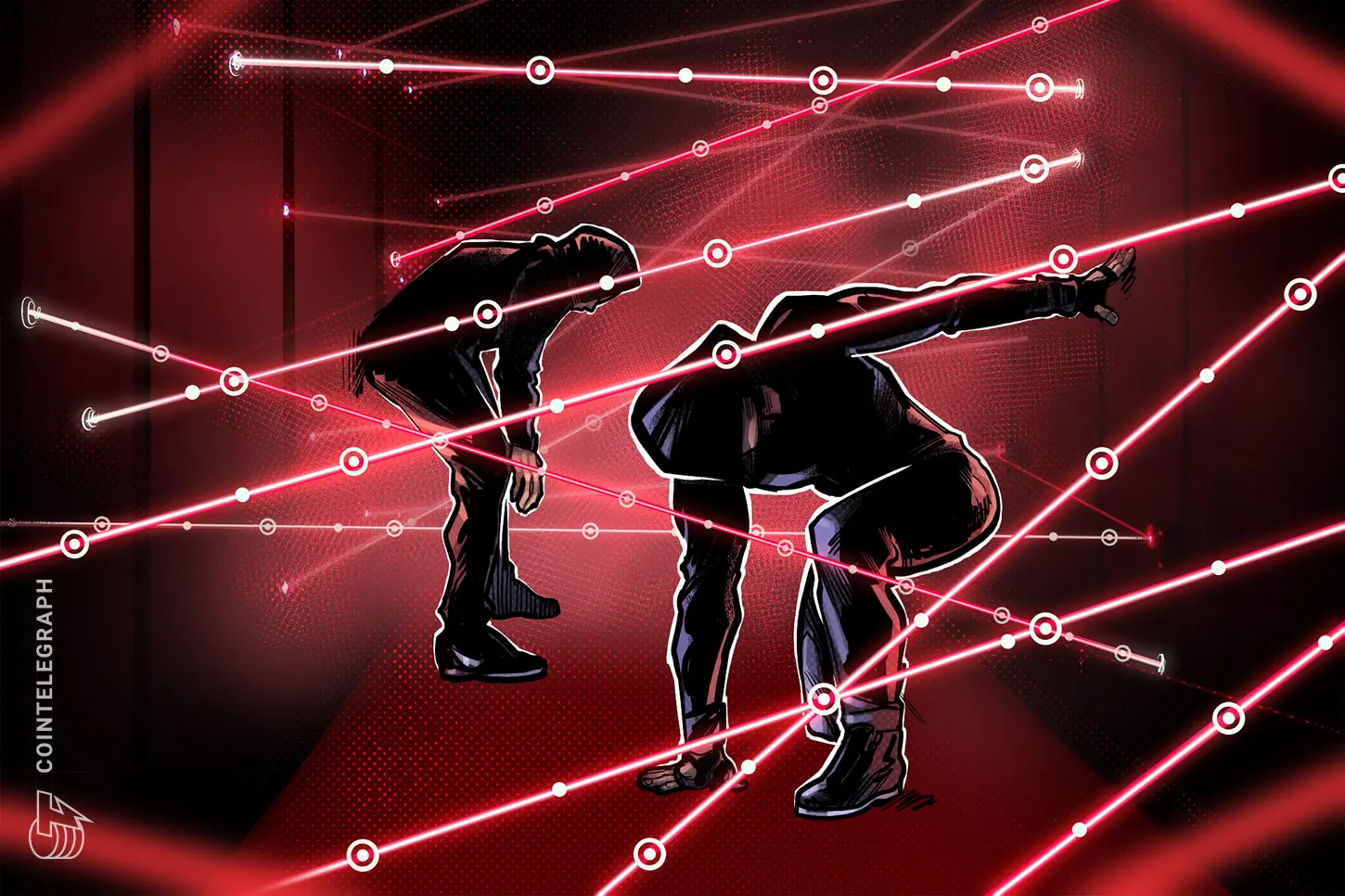
Tracking the Blockchain Laundering Route
The perpetrators behind the massive Binance security breach have successfully transferred approximately 81% of their stolen Solana assets. Blockchain trackers reveal the hackers utilized the THORChain protocol to launder the digital funds immediately after the decentralized platform resumed its cross-chain swap services.
Breaking news
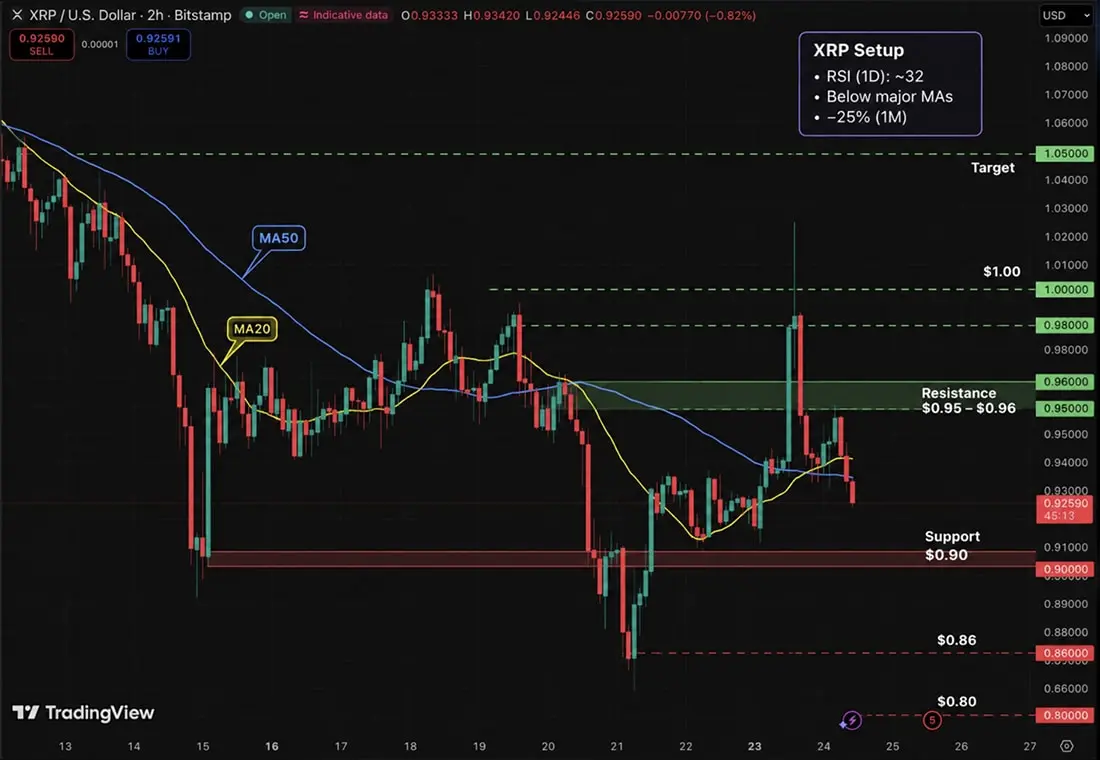 XRP Price Prediction: David Schwartz Clarifies 88% Sell-Off
 Meta’s AI Model Flags Imminent Bitcoin Reversal
 Bitcoin Slides for Seventh Straight Week, Marking Historic Losing Streak
 Bitcoin Dips on Huang’s Nvidia Exit, Rebounds 5% on His Return
The malicious actors orchestrating the historic digital asset theft are actively scattering the stolen capital across various blockchain networks. Security analysts monitoring the illicit transactions noted that the movement of funds accelerated rapidly once network trading capabilities were fully restored.
Can Authorities Freeze Cross-Chain Swaps?
Cross-chain liquidity protocols like THORChain often attract illicit actors seeking to obscure the transaction history of stolen cryptocurrency. By converting one digital asset into another across separate blockchains, hackers attempt to break the chain of custody. Investigators continue to monitor these specific wallet addresses in real time.
The scale of the initial breach reached an astounding $6.3 billion, making it one of the largest security incidents in the history of the cryptocurrency industry. Law enforcement agencies and blockchain forensics firms are collaborating closely to trace the remaining digital coins before they disappear into privacy-focused networks.
Decentralized exchanges and cross-chain routing systems operate without central authorities, presenting unique challenges for asset recovery teams attempting to halt illicit transfers mid-stream. While centralized platforms can freeze accounts instantly, automated protocols rely on algorithmic liquidity pools that process transactions without human intervention.
Frequently Asked Questions
The ongoing liquidation of the stolen Solana tokens highlights the persistent vulnerabilities within decentralized finance infrastructure. Security experts urge cross-chain platforms to implement advanced monitoring tools to detect and automatically block suspicious transactions linked to known exploit addresses.
Q: Which platform was used to launder the funds? A: The attackers routed the stolen digital assets through THORChain immediately after the protocol resumed its swap functionalities.