Understanding Bitcoin's Current Market Dynamics
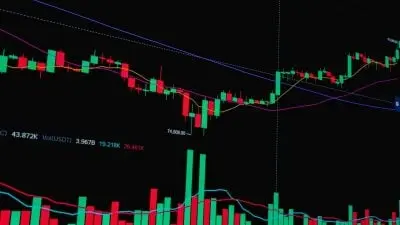
Bitcoin's volatility has reached its lowest point in eight months, raising questions about the cryptocurrency's future price movements. As of late May 2026, market analysts are closely monitoring this trend to assess potential breakouts or shifts in investor sentiment.
Breaking news
 Coinbase urges early Bitcoin quantum security preparations, proposing flexible wallet designs and a multi-year upgrade path
 Solana Announces Alpenglow Upgrade for October 21 to Boost Finality Speed
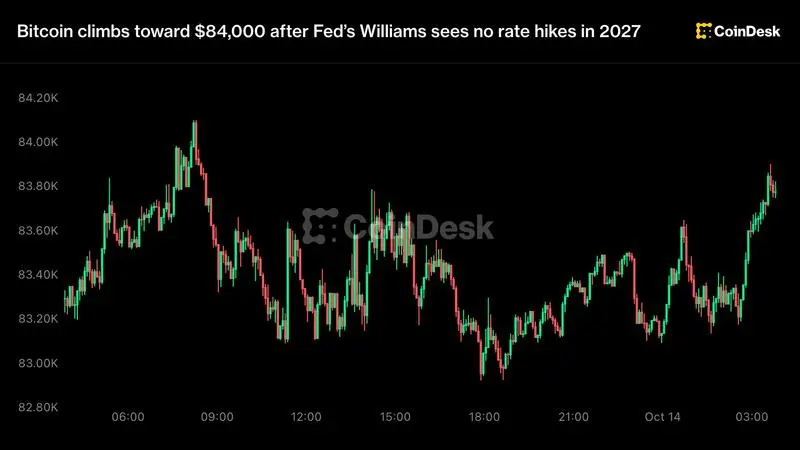 Bitcoin climbs toward $84,000 after Fed’s Williams sees no rate hikes in 2027
 Sberbank Advances Toward Crypto Trading Launch Following Central Bank Approval
Historically, low volatility can indicate a period of consolidation before significant price changes. However, analysts caution that this does not guarantee an imminent price surge or decline. Current derivatives data suggests that while traders are preparing for possible price movements, the exact direction remains uncertain.
The cryptocurrency market is often unpredictable, with various factors influencing price fluctuations. Recent trends show that Bitcoin's price has stabilized, leading to decreased volatility. This stability might suggest a pause in trading activity as investors await clearer signals from the market.
Could a Price Breakout Be on the Horizon?
Market analysts are examining derivatives data, such as futures and options, to gauge investor sentiment. This data can reveal whether traders are leaning towards bullish or bearish positions. A notable increase in open interest could signal that investors are positioning themselves for a potential breakout, but the lack of significant price movement raises concerns.
Many traders are wondering if this period of low volatility will lead to a breakout. The historical pattern shows that after extended periods of low volatility, cryptocurrencies often experience sharp price movements. However, the timing and direction of such movements are difficult to predict.
Experts emphasize the importance of monitoring external factors, including regulatory developments and macroeconomic conditions, which could impact Bitcoin's price. Increased institutional interest or favorable legislation could serve as catalysts for a price surge, while negative news could have the opposite effect.
Frequently Asked Questions
As Bitcoin's volatility remains low, many market participants are adopting a wait-and-see approach. The current landscape suggests that while a breakout may be on the horizon, the timing is uncertain.
What does low volatility mean for Bitcoin? Low volatility indicates that Bitcoin's price is not experiencing significant fluctuations. This can suggest a period of consolidation, but it does not predict future price movements.
How can derivatives data help predict Bitcoin's price? Derivatives data, such as futures and options, provides insight into trader sentiment. By analyzing this data, investors can gauge potential market movements and prepare for possible price changes.