
Unresolved Technical Hurdles in Signature Verification
The research team behind the SHRINCS project has published a comprehensive security analysis of a proposed post-quantum signature scheme for Bitcoin. This new evaluation brings the concept closer to practical implementation but simultaneously highlights significant unresolved issues. The report focuses on potential vulnerabilities in wallet safety, increased transaction costs, and the overall complexity of implementation.
Breaking news
 Bitcoin Miners Face Hardware Shortage as AI Boom Strains Chip Supply
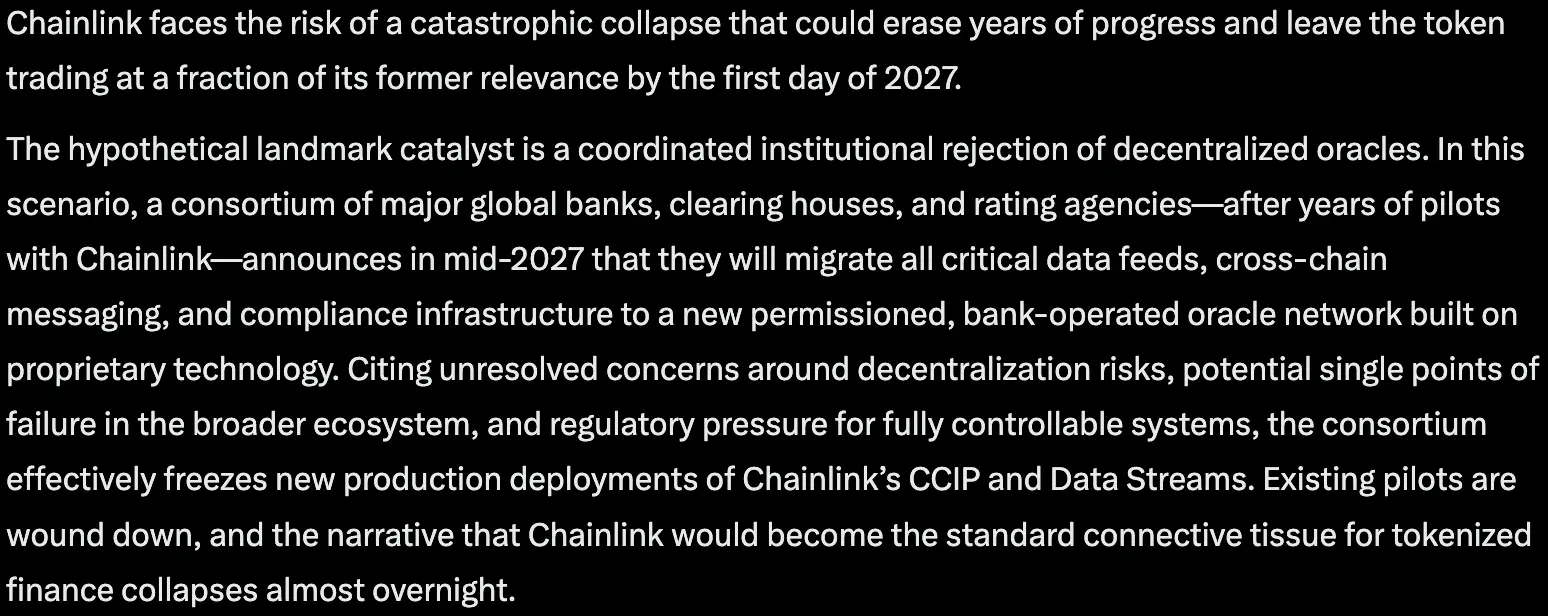 Claude AI Forecasts Chainlink Plunge in 2027
 XRP Crashes to $0.87 as ETF Assets Fall Below $1 Billion
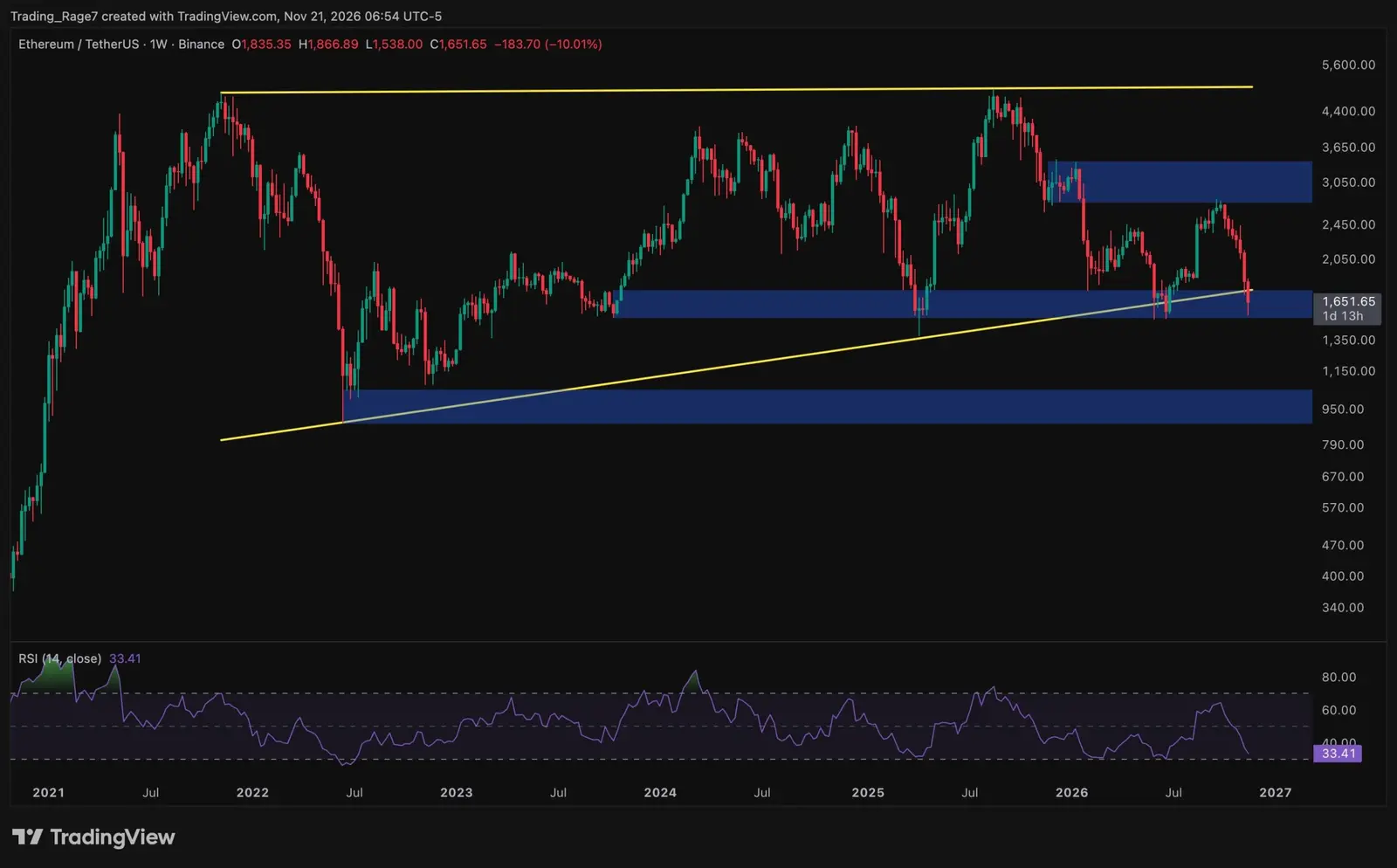 Ethereum price analysis: Did ETH hit its macro bottom after a 30% monthly drop?
This detailed study serves as a critical step in preparing the Bitcoin network for the eventual arrival of quantum computing. By identifying specific weaknesses now, developers can address them before they become major problems. The analysis suggests that while the technology is promising, it requires careful refinement to ensure user trust and network efficiency remain intact.
The core of the investigation centers on how the new signature scheme interacts with existing Bitcoin infrastructure. Quantum computers pose a theoretical threat to current cryptographic methods used in Bitcoin. Specifically, Shor’s algorithm could potentially break elliptic curve cryptography, which secures most Bitcoin addresses today. The proposed post-quantum solution aims to replace this vulnerable layer with mathematically robust alternatives.
Does This Shift Alter Bitcoin's Core Identity?
However, the SHRINCS researchers found that simply swapping out the algorithm is not enough. The new signatures are significantly larger than their classical counterparts. This size increase directly impacts transaction fees, as larger data packets require more space in the blockchain. Users might face higher costs for standard transfers if these schemes are adopted without optimization. Furthermore, the complexity of verifying these new signatures places a heavier burden on nodes, potentially slowing down network synchronization.
Wallet safety remains another major concern. Many existing wallets rely on specific formats for storing private keys. A transition to post-quantum standards would require substantial updates to these applications. If users do not migrate correctly, they risk losing access to their funds. The research emphasizes that backward compatibility is difficult to achieve, meaning older wallets may not support the new security features automatically.
One researcher noted that adopting such a defense mechanism could fundamentally change the value proposition of Bitcoin. Currently, Bitcoin is valued for its simplicity, decentralization, and fixed supply. Introducing complex post-quantum cryptography adds a layer of technical overhead. Critics argue that this complexity might make the network less accessible to average users. It could also complicate the mining process, depending on how the consensus mechanism adapts to the new rules.
Looking Ahead to Implementation
Proponents counter that long-term survival justifies the change. Without quantum resistance, Bitcoin faces an existential threat once powerful quantum machines become available. The trade-off between immediate simplicity and future-proof security is the central debate. The SHRINCS analysis provides the necessary data for this discussion, showing exactly where the friction points lie.
The release of this security analysis marks a pivotal moment for Bitcoin development. It moves the conversation from theoretical speculation to concrete engineering challenges. Developers now have a clear roadmap of what needs fixing before any mainnet upgrade can be considered. The next steps involve testing these schemes in test networks to measure real-world performance.
If successful, the adoption of post-quantum signatures will secure Bitcoin for decades beyond the current era. It ensures that the digital currency remains safe against advanced computational attacks. However, the path forward requires broad agreement among stakeholders on the best approach. The balance between cost, speed, and security will determine the final design. Until then, the community must continue refining these proposals to avoid introducing new vulnerabilities while solving old ones.
Frequently Asked Questions
Why is quantum computing a threat to Bitcoin? Quantum computers can run algorithms like Shor’s, which can efficiently factor large numbers. This capability allows attackers to derive private keys from public addresses, compromising current cryptographic security.
How does the SHRINCS analysis help developers? It identifies specific weaknesses in proposed signature schemes, such as increased transaction sizes and verification delays. This information guides engineers in optimizing protocols before they are deployed on the live network.
Will users need new wallets immediately? Not necessarily, but future upgrades will likely require wallet updates. Users should stay informed about software changes to ensure their private keys remain protected under new standards.