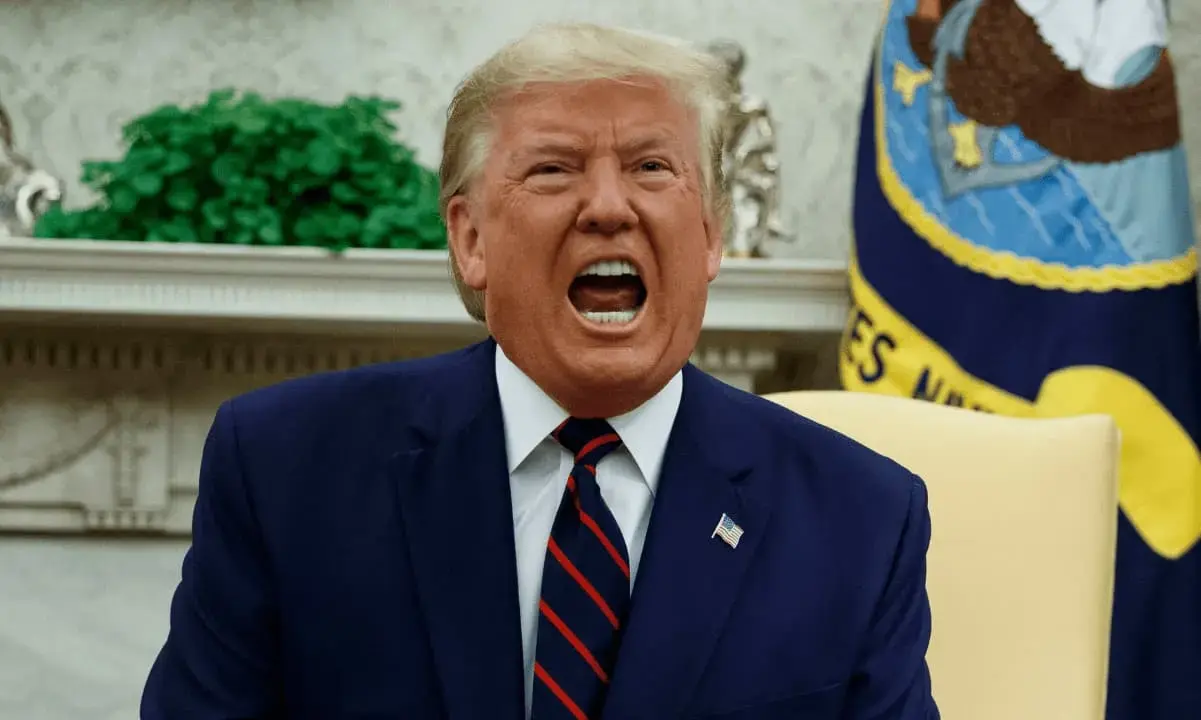
Geopolitical Tensions Weigh on Crypto Markets
Bitcoin's value experienced renewed pressure following reports that President Trump has dismissed a potential peace agreement with Iran. This development contradicts earlier assurances from the President, who had previously indicated an end to the conflict after the midterm elections. The cryptocurrency market often reacts to geopolitical instability.
Breaking news
 Spiral Integrates Bitcoin Payments into Mesh LLM for Machine-to-Machine AI Compute Trading
 Strike Introduces Stacks to Organize Bitcoin Savings Into Custom Buckets
 CFTC Chair Announces New Crypto Rulemaking to Prevent FTX-Style Collapse
 Binance Expands Margin Collateral Options with New Equity-Linked Tokens
The President's earlier statements had offered a glimmer of hope for de-escalation in the Middle East. Many investors had anticipated a more stable international environment. However, the latest information suggests a hardening stance from the White House.
Global financial markets frequently show sensitivity to major international events. Bitcoin, despite its decentralized nature, is not immune to these external pressures. Uncertainty surrounding a significant geopolitical conflict can lead investors to seek safer assets. This often results in a sell-off in more volatile holdings like cryptocurrencies. The prospect of continued or escalating tensions in the region creates a risk-off sentiment.
What Does This Mean for Bitcoin's Stability?
The initial optimism following Trump's earlier remarks quickly dissipated. Traders and analysts are now closely monitoring official statements and news from the White House and Tehran. The lack of a clear path to peace introduces significant unpredictability.
The current dip in Bitcoin's price reflects a broader market reaction to perceived global instability. While the cryptocurrency has shown resilience in the past, sustained geopolitical friction can hinder its upward momentum. Investors may remain cautious until there is greater clarity on the US-Iran situation. The immediate future for Bitcoin could see continued volatility as the market digests these reports.
Frequently Asked Questions
What caused Bitcoin's recent price drop? Bitcoin's price decline is linked to reports that President Trump rejected a peace deal with Iran, contradicting earlier promises and increasing geopolitical uncertainty.
How do geopolitical events affect cryptocurrency prices? Geopolitical instability often leads investors to sell riskier assets like cryptocurrencies in favor of safer investments, causing price drops due to increased market uncertainty.
Did President Trump previously comment on ending the conflict? Yes, President Trump had previously stated that the conflict with Iran would conclude after the midterm elections, a promise now seemingly contradicted by recent reports.