
Protecting Validator Reward Integrity
Developers behind the Teku and Besu Ethereum clients have issued urgent security updates this week. These patches address a dangerous certificate vulnerability discovered within the software infrastructure. The flaw potentially allows malicious actors to impersonate validator services, putting digital assets and block rewards at significant risk across the network.
Breaking news
 Bitcoin Miners Face Hardware Shortage as AI Boom Strains Chip Supply
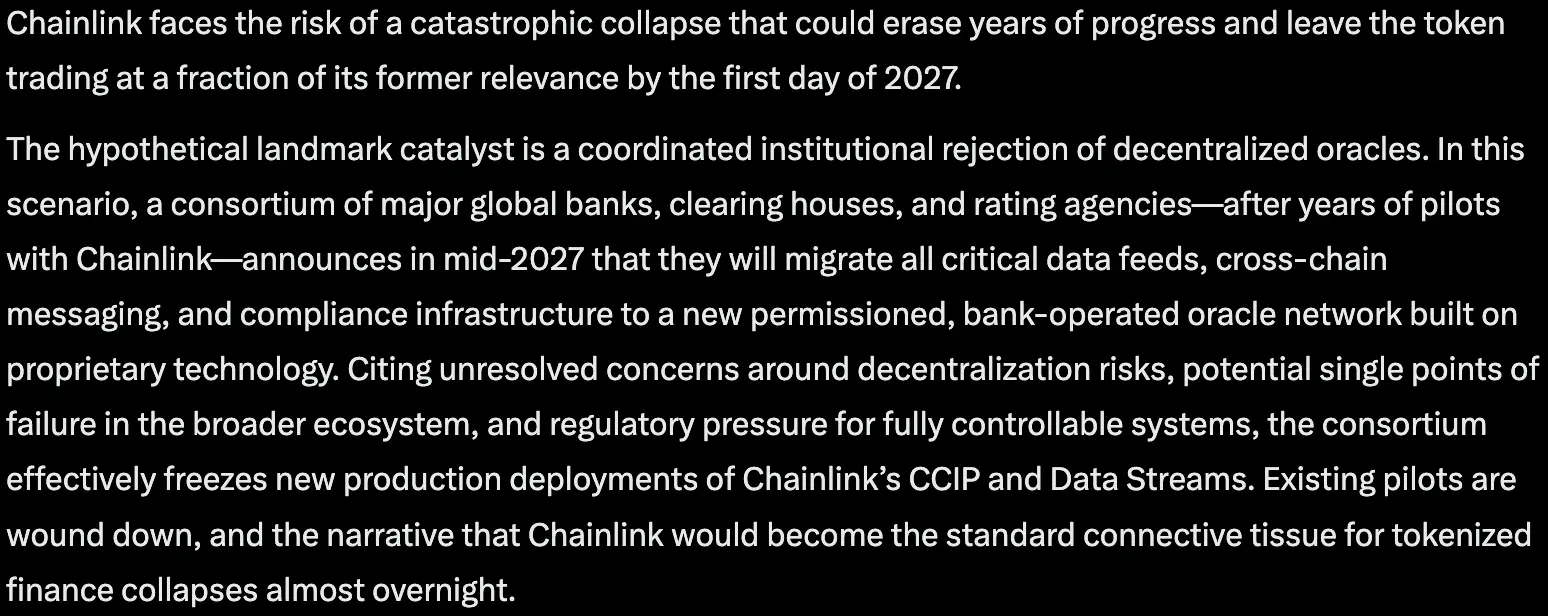 Claude AI Forecasts Chainlink Plunge in 2027
 XRP Crashes to $0.87 as ETF Assets Fall Below $1 Billion
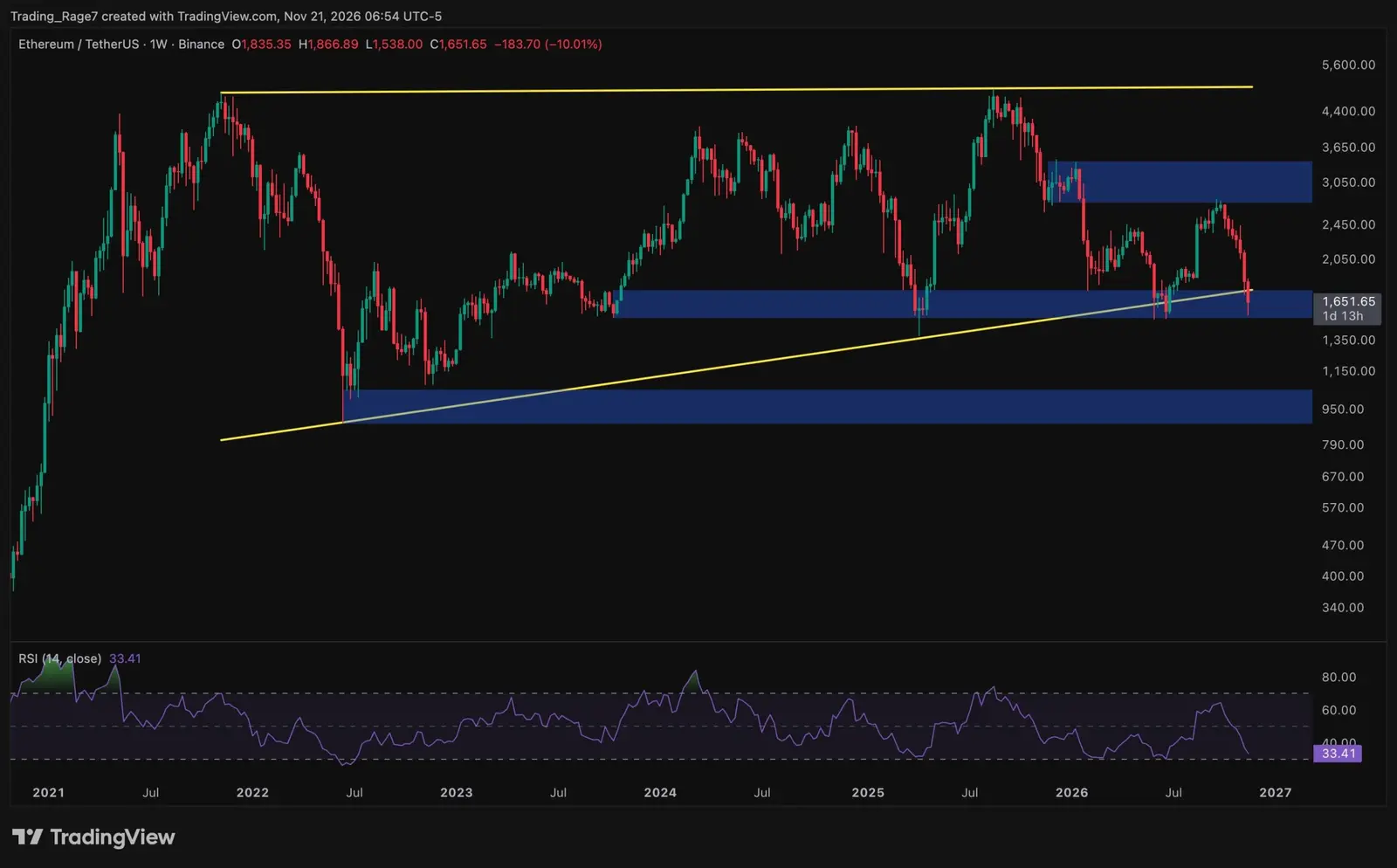 Ethereum price analysis: Did ETH hit its macro bottom after a 30% monthly drop?
The vulnerability centers on how these clients handle specific security certificates. If exploited, an attacker could intercept communications between a validator and the broader network. By masquerading as a legitimate service, the attacker could divert block rewards intended for the validator into their own wallets. This security breach highlights the ongoing challenges of maintaining decentralized infrastructure.
The primary goal of these updates is to prevent unauthorized redirection of ETH rewards. Validators rely on the integrity of these client connections to ensure they receive the incentives earned for securing the blockchain. By failing to verify certificates correctly, the previous versions of Teku and Besu left a window open for sophisticated man-in-the-middle attacks.
Are Your Validator Assets at Risk?
The development teams acted quickly once the flaw was identified to minimize the window of exposure. Users running these clients are strongly encouraged to update their software immediately. Running outdated versions leaves validator nodes exposed to potential financial loss and service disruption.
The risk is primarily concentrated on node operators who have not yet applied the latest security patches. If a validator continues to operate on an unpatched version, they remain susceptible to reward redirection. The Ethereum ecosystem depends on timely updates to maintain the security and trust required for decentralized finance operations.
Frequently Asked Questions
The broader implications of this vulnerability underscore the necessity of rigorous security auditing in blockchain software. While no widespread theft has been reported, the potential for harm prompted a swift industry response. Maintaining up-to-date software is the most effective defense against these types of targeted exploits.
What should Ethereum node operators do now? Operators should immediately download and install the latest security updates released by the Teku and Besu development teams. Updating promptly ensures that validator connections remain secure against impersonation attempts.
Why is this specific vulnerability dangerous for validators? The flaw allows attackers to intercept network traffic and pose as legitimate services. This could result in the redirection of earned block rewards, causing direct financial losses for the affected validator.