
Why Wallet Transfers Now Matter More
Rob Massey, a senior tax advisor at Deloitte, has outlined how shifting IRS guidance affects cryptocurrency investors. Massey has worked on digital asset taxation since 2012. He notes that while regulations have evolved, the core self-assessment framework remains unchanged.
Breaking news
 Bitcoin Miners Face Hardware Shortage as AI Boom Strains Chip Supply
 Claude AI Forecasts Chainlink Plunge in 2027
 XRP Crashes to $0.87 as ETF Assets Fall Below $1 Billion
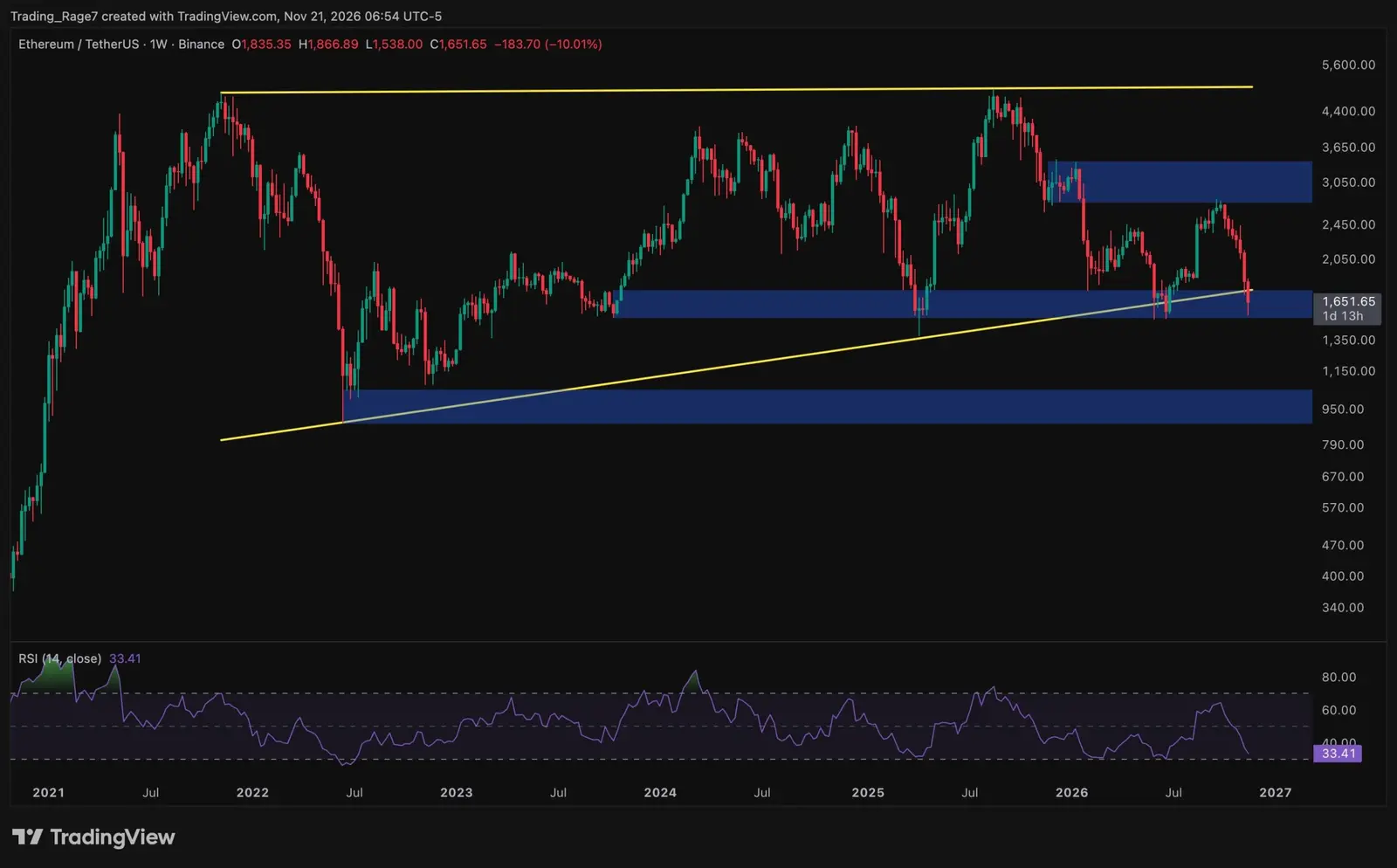 Ethereum price analysis: Did ETH hit its macro bottom after a 30% monthly drop?
The primary challenge for Bitcoin holders is treating the asset as a functional currency. Massey explains that using Bitcoin for everyday transactions creates additional reporting obligations. Every wallet transfer or exchange triggers a taxable event under current law.
Massey emphasizes that moving Bitcoin between personal wallets does not create a taxable event. However, any sale or swap does. Investors must track cost basis carefully. The IRS requires reporting of gains or losses on each disposition.
What Happens If You Miss a Report?
Many investors struggle with record-keeping. Massey advises maintaining a detailed ledger of all transactions. This includes purchase price, sale price, and dates. Accurate records prevent underpayment penalties.
The IRS can assess penalties for unreported crypto income. Massey warns that digital assets are no longer a gray area. The agency has issued multiple guidance updates over the years. Compliance is now expected from all holders.
Investors should consult a tax professional before filing. Massey recommends reviewing all transactions annually. This ensures no gains are missed. Proper documentation protects against audits.
Frequently Asked Questions
Does moving Bitcoin between my own wallets count as a sale? No. Internal transfers are not taxable events. Only sales, swaps, or uses as payment trigger tax liability.
How often should I review my crypto tax records? Massey suggests an annual review. This aligns with the tax filing calendar. It helps catch missed transactions before deadlines.
Can I deduct losses from Bitcoin investments? Yes, capital losses can offset gains. Massey notes that losses from sales or swaps are deductible. They can also offset other capital gains.