
The Rise of Passive Political Observation
Millions of spectators monitored Kalshi’s election prediction markets during the recent midterms without ever placing a financial wager. Data from the platform reveals that for every active trader, five additional people logged on simply to track shifting odds. This trend highlights a growing public appetite for real-time probability data during major political events.
Breaking news
 Ripple Secures Turkish Bank Partnership, Highlights XRP Popularity
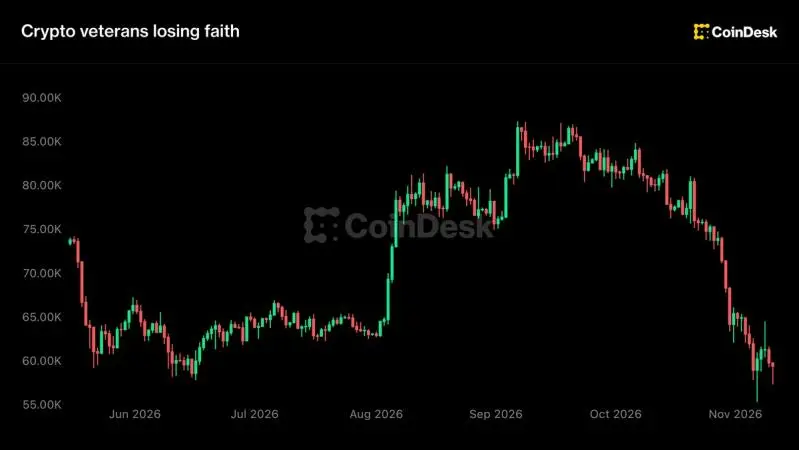 Bitcoin dropped to $57,300 early Wednesday, triggering fresh anxiety across the crypto market
 France Senate Blocks Mandatory Self-Custody Wallet Reporting
 Coinbase warns of XRP long liquidation risks as 6% price move looms
These observers utilized the site as a live dashboard rather than a betting venue. By avoiding account registration or monetary deposits, they treated the platform as a dynamic alternative to traditional polling. This behavior suggests that prediction markets are evolving into essential tools for political analysis, functioning alongside standard news coverage and exit polls.
The sheer volume of non-betting traffic indicates that voters are seeking more immediate feedback than conventional media provides. While news outlets rely on historical trends and static surveys, prediction markets offer a constantly updating pulse of public sentiment. Users appear to value the visual representation of election outcomes, even if they remain hesitant to commit personal capital to the results.
Why Are Spectators Choosing Markets Over Traditional Polls?
This shift marks a departure from how citizens traditionally consumed election data. Instead of waiting for evening news cycles, viewers now prefer the granular, second-by-second updates provided by market-based forecasting. The platform’s ability to draw millions of eyes without requiring financial participation underscores the high demand for accessible, data-driven political insights.
The appeal lies in the perceived speed and objectivity of market-driven numbers. Unlike traditional polls, which can be delayed or influenced by methodology, market odds respond instantly to breaking news and campaign developments. For many, watching these fluctuations provides a more engaging and immediate experience than reading long-form political commentary.
As these platforms continue to gain traction, they are likely to become permanent fixtures in the political landscape. They offer a unique window into the collective intuition of the electorate, serving as a barometer for public confidence. This trend suggests that the future of election reporting will be increasingly defined by interactive, real-time probability tracking.
Frequently Asked Questions
Did users need to deposit money to view the election odds? No, the platform allowed millions of visitors to track the changing odds without opening an account or placing any financial bets.
Are prediction markets replacing traditional news coverage? They are not replacing news, but they are increasingly used as a complementary tool for voters seeking real-time updates on election probabilities.
Why do observers prefer these markets to standard polling? Observers often find market-based odds more engaging because they update instantly in response to breaking news, unlike traditional polls which are often static.