
Mitigating Trust-Store Exposure
Ethereum software developers have released crucial updates for two major client applications, Teku and Besu. These patches directly address a security vulnerability. The issue involved potential exposure within their trust-store mechanisms. This risk could arise from compromised certificates.
Breaking news
 Bitcoin Miners Face Hardware Shortage as AI Boom Strains Chip Supply
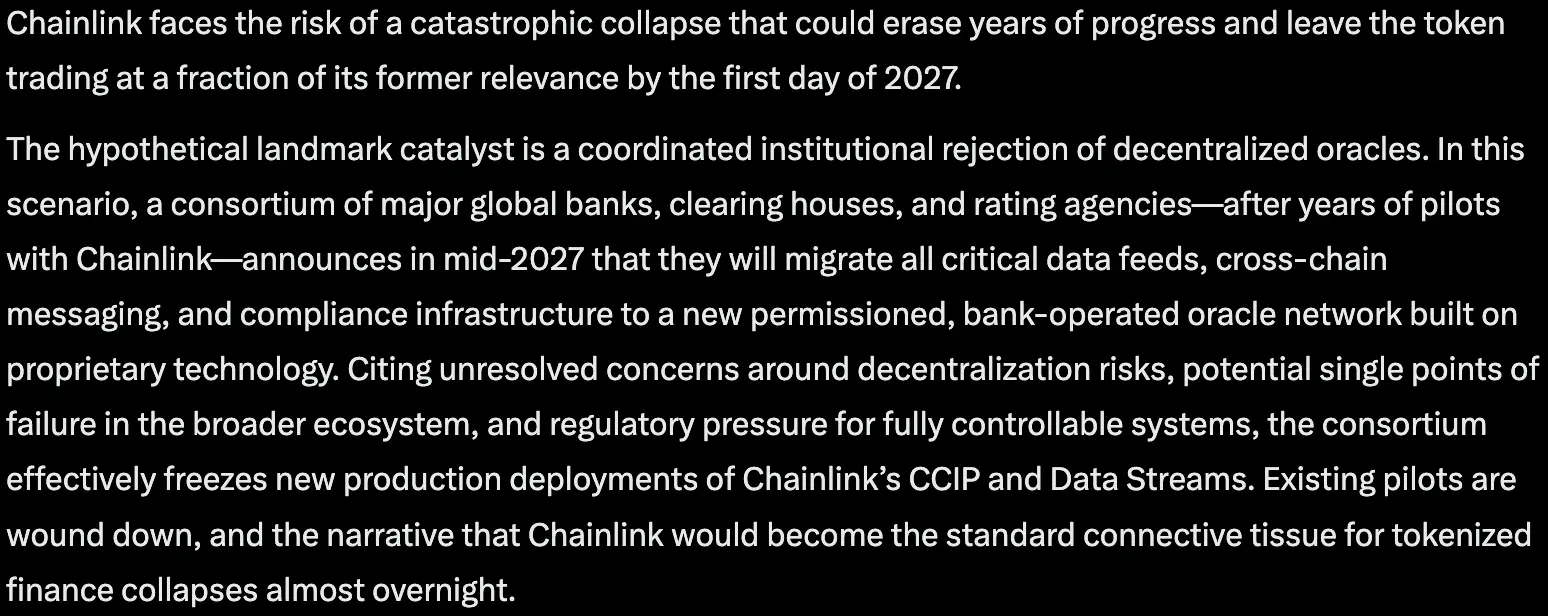 Claude AI Forecasts Chainlink Plunge in 2027
 XRP Crashes to $0.87 as ETF Assets Fall Below $1 Billion
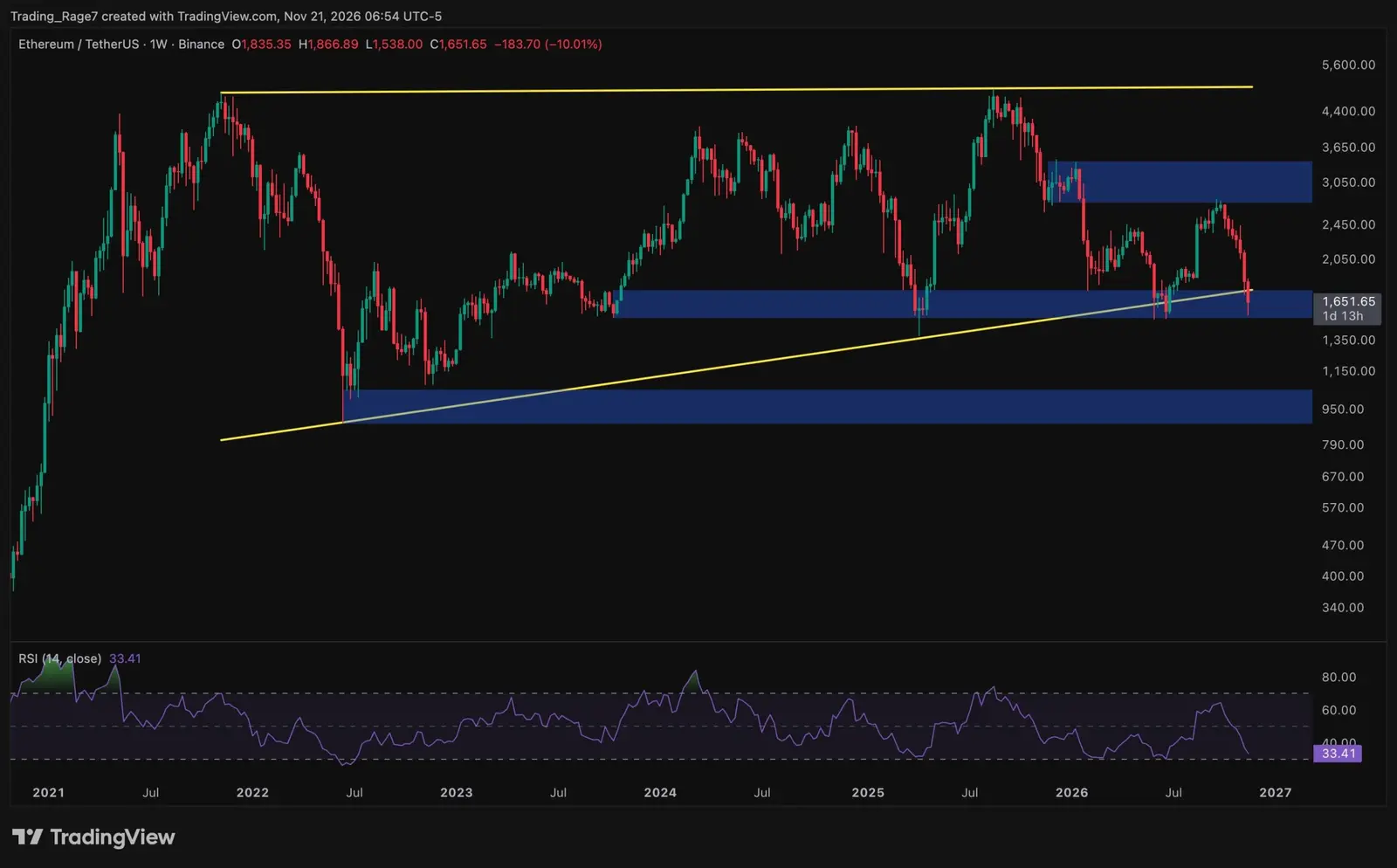 Ethereum price analysis: Did ETH hit its macro bottom after a 30% monthly drop?
The updates aim to bolster the network's resilience. They prevent malicious actors from exploiting weaknesses related to digital certificates. Such certificates are vital for secure communication across the Ethereum blockchain.
The vulnerability specifically targeted the trust-store. This is a repository of trusted root certificates. If a certificate within this store were compromised, it could potentially allow an attacker to impersonate legitimate services. This could trick client software into connecting to malicious nodes. The new updates harden these trust-stores. They reduce the attack surface significantly. Developers have focused on improving how these clients validate and manage certificates.
What Does This Mean for Node Operators?
This proactive step underscores the ongoing commitment to network security. The Ethereum ecosystem relies on a diverse set of client software. Teku and Besu are prominent choices for many validators and node operators. Ensuring their integrity is paramount for the entire network's health.
Node operators using Teku or Besu should update their software immediately. Applying these patches is a critical step. It protects their operations from potential security breaches. The updates are designed to be straightforward to implement. They ensure continuous, secure participation in the Ethereum network. Ignoring these updates could leave nodes exposed to known vulnerabilities. This could jeopardize their security and the network's overall stability.
The rapid response from the development teams highlights the collaborative nature of the Ethereum community. Security researchers often work closely with client teams. They identify and address potential threats before they can cause widespread disruption. This iterative process of discovery and patching is essential for maintaining a robust blockchain.
Frequently Asked Questions
What is a trust-store vulnerability? A trust-store vulnerability occurs when the list of trusted digital certificates within a software application is compromised. This can allow an attacker to present a fake certificate and trick the software into believing it is communicating with a legitimate service.
Which Ethereum clients are affected by these updates? The recent updates specifically address vulnerabilities found in two major Ethereum client applications: Teku and Besu. Users of these clients are advised to update their software.
Why are these updates important for Ethereum's security? These updates are crucial because they prevent potential attacks that could undermine secure communication between Ethereum nodes. By hardening certificate validation, they protect against impersonation and ensure the integrity of the network.