
Upgrading Institutional Security Infrastructure
Fidelity Custody executed a massive digital asset transfer this week, shifting approximately 7,000 Bitcoin valued at $435 million into several newly generated storage addresses. Blockchain analytics platform Onchain Lens detected the substantial movement, immediately drawing intense scrutiny from crypto market observers and institutional investors tracking large-scale capital realignments.
Breaking news
 Bitcoin Miners Face Hardware Shortage as AI Boom Strains Chip Supply
 Claude AI Forecasts Chainlink Plunge in 2027
 XRP Crashes to $0.87 as ETF Assets Fall Below $1 Billion
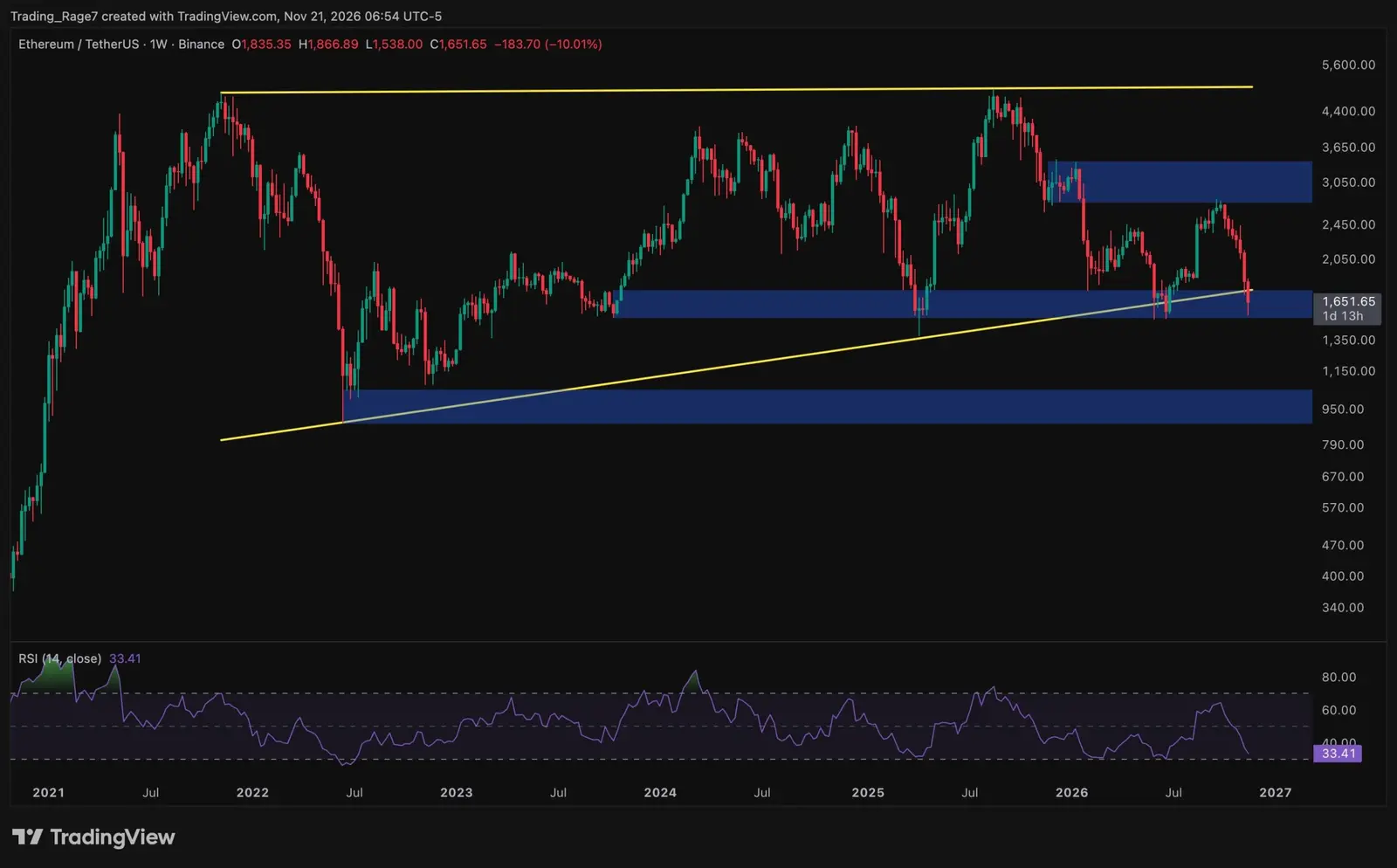 Ethereum price analysis: Did ETH hit its macro bottom after a 30% monthly drop?
The sudden transaction highlights ongoing operational shifts within major financial institutions managing digital assets. Analysts note that large custodians frequently update their infrastructure to enhance security protocols and streamline internal asset management for institutional clients.
What Drives These Massive Custodial Shifts?
Security updates remain a top priority for traditional financial giants handling billions in cryptocurrency assets. Moving funds to fresh addresses helps prevent potential vulnerabilities and isolates digital holdings against emerging cyber threats.
Industry experts suggest that routine wallet rotation is a standard administrative practice for tier-one custodians. These precautionary measures ensure that large institutional balances remain insulated from legacy security risks as operations scale up.
Financial institutions regularly reorganize their digital reserves to optimize liquidity management and prepare for new market demands. As traditional finance deepens its integration with digital assets, efficient custody solutions become vital for maintaining client trust and regulatory compliance.
Frequently Asked Questions
The recent transfer underscores the growing scale of institutional participation in the digital asset ecosystem. Observers anticipate that similar large-scale portfolio adjustments will continue as adoption expands across traditional financial markets.
Q: Where did the funds go? A: The digital assets were transferred into multiple newly created wallets, according to data from blockchain monitoring service Onchain Lens.