HYPE Token Buybacks: A Double‑Edged Sword
Hyperliquid, the decentralized exchange known for its high‑leverage perpetual contracts, saw its native HYPE token drop about 22% from a September peak near $98. The decline comes even as the platform commands roughly $7.7 billion in open interest across its perpetual markets, and its overall market cap sits near $17 billion.
Breaking news
 Bitcoin Miners Face Hardware Shortage as AI Boom Strains Chip Supply
 Claude AI Forecasts Chainlink Plunge in 2027
 XRP Crashes to $0.87 as ETF Assets Fall Below $1 Billion
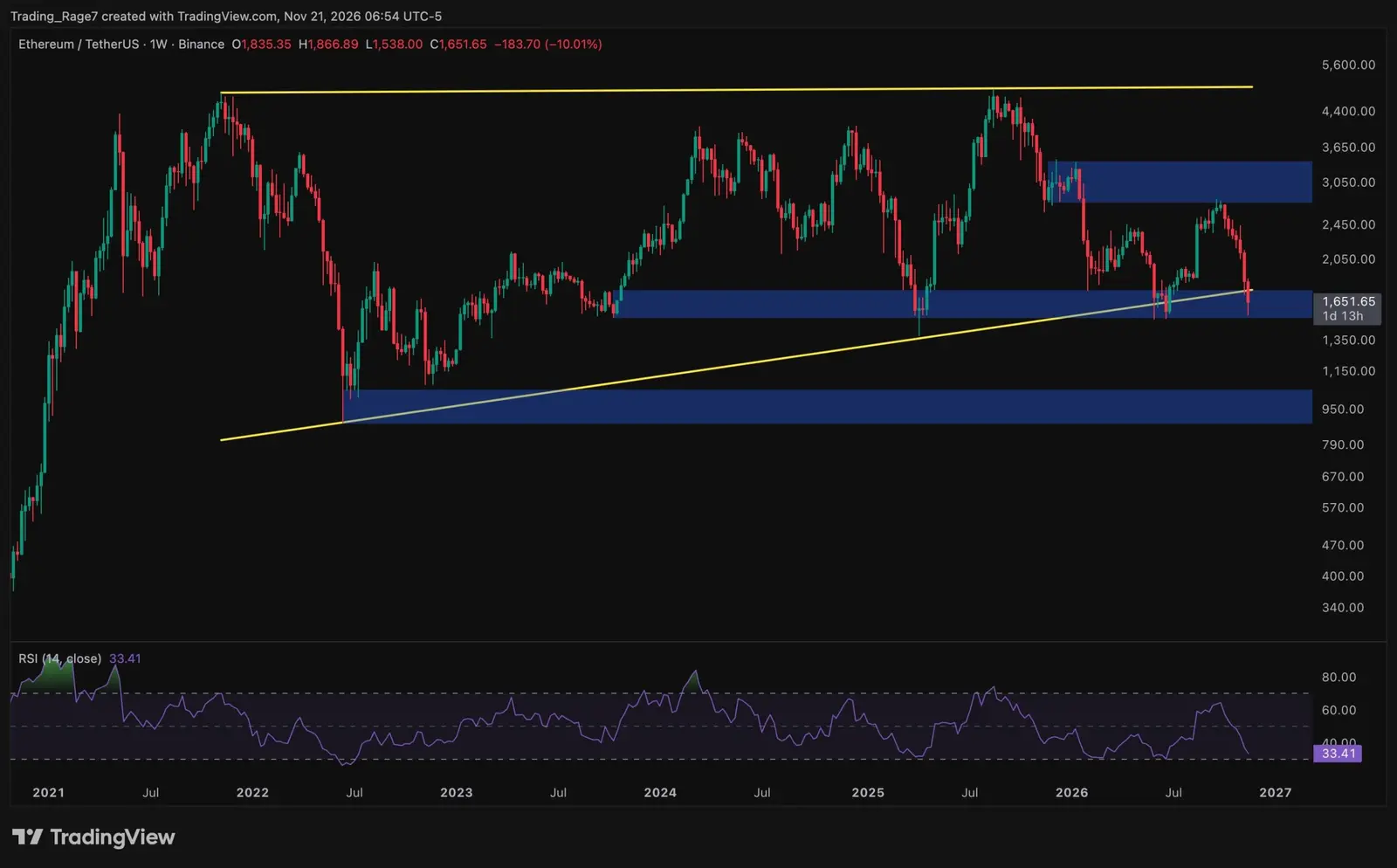 Ethereum price analysis: Did ETH hit its macro bottom after a 30% monthly drop?
The token’s pullback reflects broader market volatility and investor caution, but Hyperliquid’s fundamentals remain strong. The exchange has amassed billions in cumulative trading fees and continues an aggressive token‑buyback scheme designed to support price stability. Analysts attribute the dip to a combination of profit‑taking after the September rally and a slowdown in new user inflows, while the platform’s deep liquidity and robust order‑book depth keep it at the forefront of the perps arena.
Hyperliquid’s buyback program, funded by a portion of its trading fee revenue, aims to reduce circulating supply and bolster token value. Since the program’s launch, the exchange has repurchased over $200 million worth of HYPE, a move praised by some investors as a sign of confidence. However, critics argue that continuous buybacks may mask underlying demand issues, especially when token prices retreat despite strong platform metrics. „Buybacks can create short‑term price support, but they don’t guarantee long‑term growth if user adoption stalls,” noted a senior analyst at a crypto research firm.
Will HYPE’s Decline Signal a Broader Perps Market Slowdown?
The exchange’s fee structure, which rewards high‑volume traders with lower rates, has helped generate the cash flow needed for these repurchases. Yet, as market makers and institutional participants reassess risk exposure, the volume that fuels both fees and buybacks could wane, putting pressure on HYPE’s price trajectory.
The recent slump in HYPE raises questions about the health of the broader perpetual contracts market. While Hyperliquid still dominates with $7.7 billion in open interest, rival platforms have reported modest growth, suggesting a possible plateau in trader enthusiasm for high‑leverage products. Some market observers point to regulatory scrutiny and heightened volatility as factors that could dampen future inflows.
If the trend continues, HYPE’s price could face further erosion, especially if the buyback program cannot keep pace with token supply dynamics. Conversely, a resurgence in crypto trading activity or a breakthrough in platform features could reignite demand, stabilizing both the token and the perps market.
In the coming months, Hyperliquid’s ability to attract new liquidity providers and maintain its fee‑based revenue will be critical. The platform’s strategic focus on technology upgrades and expanded asset listings may help offset the current headwinds, but investors should monitor both token metrics and overall market sentiment closely.
Frequently Asked Questions
Why did HYPE fall 22% after reaching $98? Profit‑taking after the September rally, combined with a slowdown in new user inflows and broader market caution, pushed the token lower despite strong platform fundamentals.
How does Hyperliquid fund its token buybacks? The exchange allocates a portion of its trading fee revenue to repurchase HYPE on the open market, aiming to reduce circulating supply and support price.
What could reverse HYPE’s downward trend? A surge in trading volume, successful platform upgrades, or renewed investor confidence in high‑leverage perpetual contracts could boost demand for HYPE and stabilize its price.