
Private Donations Drive Recent Crypto Purchases
The International Monetary Fund has officially clarified the funding source for El Salvador’s latest Bitcoin purchases. The organization confirmed that the recent accumulation of digital assets was financed entirely through private donations. This distinction is crucial for understanding the country’s fiscal health. No public treasury money was used for this specific transaction. The IMF released this statement to address ongoing questions about government spending. It aims to reassure international observers about the nation’s budgetary discipline.
Breaking news
 Crypto News Site Faces Sale After Google Penalty
 Justin Drake urges crypto ‘bunker mode,’ as AI could break wallet security within months
 XRP Whale Withdrawals from Binance Hit Seven-Month Peak
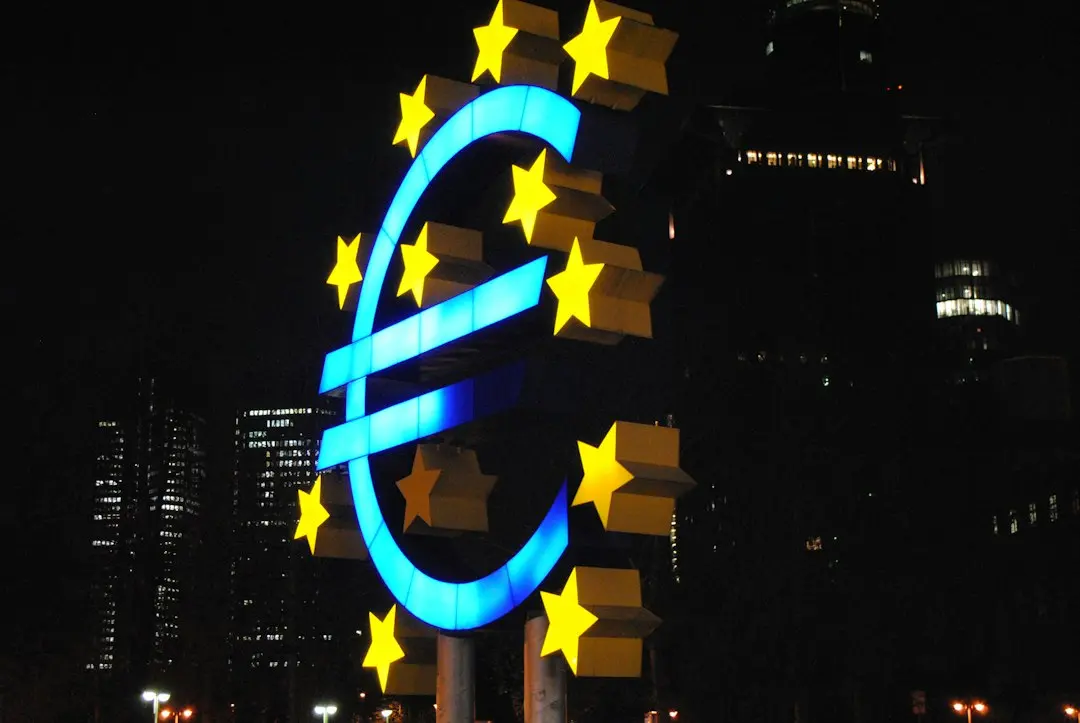 What is a euro-pegged stablecoin?
El Salvador continues to expand its national Bitcoin reserve under a bold monetary strategy. The government has long championed the cryptocurrency as a primary store of value. By relying on private capital, the state avoids depleting its own liquid reserves. This approach allows the country to maintain operational stability while growing its crypto holdings. The IMF’s confirmation helps separate political ambition from actual financial outflow. It provides a clear audit trail for the most recent acquisitions.
The International Monetary Fund explicitly stated that the newest Bitcoin additions were not funded by public money. Instead, the assets arrived via private contributions. This method aligns with previous rounds of acquisition where donors supported the initiative. The government emphasized that these funds did not come from tax revenue or bond sales. Consequently, the immediate impact on the national budget remains minimal. The IMF noted that this structure protects the country’s sovereign debt profile. Analysts view this as a prudent step for a developing economy. It demonstrates a commitment to balancing innovation with fiscal responsibility.
Does This Change the Fiscal Outlook?
The distinction between public and private funding is vital for investors. It signals that the government is not leveraging taxpayer dollars for speculative assets. The IMF’s report highlights this transparency as a positive development. It reduces the perceived risk associated with El Salvador’s crypto-heavy policy. By isolating the funding source, the fund provides clarity for future economic reviews. This clarity supports the broader narrative of sustainable growth. The government can now focus on integrating these assets into the financial system without immediate liquidity concerns.
The IMF’s clarification does not alter the long-term strategic goals of the nation. However, it does influence how markets perceive the country’s risk profile. Investors often worry about governments using scarce resources for high-volatility assets. Confirming private funding alleviates some of these fears. The outlook remains focused on successful integration of Bitcoin into daily commerce. The government plans to continue accepting private donations for future purchases. This model creates a sustainable pipeline for asset accumulation. It ensures that public services are not compromised by crypto investments. The IMF will monitor subsequent transactions to ensure consistency.
El Salvador stands at a pivotal moment in its digital currency journey. The confirmation of private funding sets a precedent for future acquisitions. It reinforces the idea that innovation can proceed without straining public finances. As the global crypto landscape evolves, this transparency becomes increasingly important. The nation must continue to demonstrate that its strategy is financially sound. The next steps involve deeper integration of Bitcoin into local payment systems. Success here will validate the entire model for other countries. The world watches closely to see if this approach yields tangible economic benefits.
Frequently Asked Questions
Did the IMF say public money was used? No, the IMF confirmed that the recent Bitcoin accumulation was funded by private donations rather than public funds.
Why is this distinction important for El Salvador? It shows that the government is not depleting its treasury reserves to buy cryptocurrency, which helps protect the national budget.
Will the IMF monitor future purchases? Yes, the fund will continue to review subsequent transactions to ensure they follow the same private funding model.