
How Does El Salvador Fund Its Bitcoin Purchases?
El Salvador added one bitcoin to its national cryptocurrency reserve this week, increasing its total holdings to 7,762 BTC. The incremental purchase occurred despite ongoing reservations from the International Monetary Fund regarding the country’s bitcoin strategy. The move underscores the government’s continued commitment to integrating digital assets into its financial framework.
Breaking news
 Crypto News Site Faces Sale After Google Penalty
 Justin Drake urges crypto ‘bunker mode,’ as AI could break wallet security within months
 XRP Whale Withdrawals from Binance Hit Seven-Month Peak
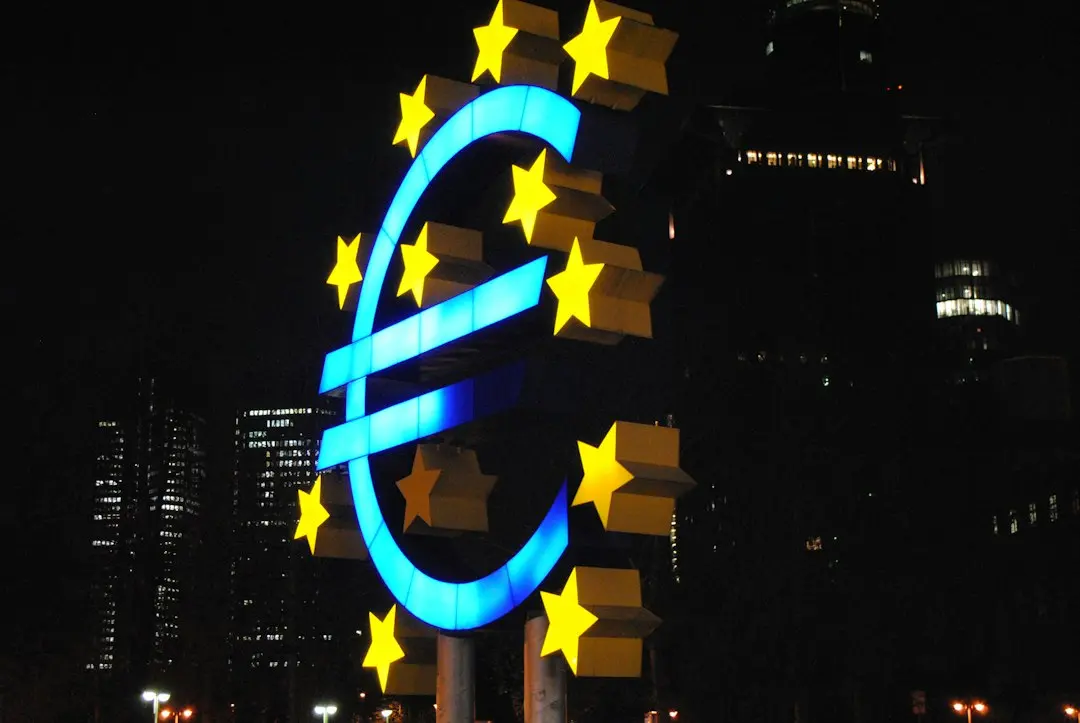 What is a euro-pegged stablecoin?
President Nayib Bukele has consistently advocated for bitcoin adoption since making it legal tender in 2021. The latest addition reflects a disciplined, incremental approach to building the state’s crypto reserves, even as external institutions urge caution. IMF representatives have repeatedly warned about volatility risks and potential fiscal implications tied to El Salvador’s bitcoin exposure.
The government states that bitcoin acquisitions are funded through surplus revenues, not public debt or traditional budget allocations. Officials emphasize that purchases occur only when market conditions allow and do not compromise essential spending. This fiscal framing aims to address concerns about prioritizing speculative assets over social programs.
What Risks Does the IMF Highlight Regarding Bitcoin Adoption?
Critics, however, question the transparency of the funding mechanism and call for greater oversight. Independent analysts note that without detailed disclosures, it remains difficult to verify the exact sources financing each transaction. The administration maintains that all operations comply with national financial regulations.
The IMF has cited macroeconomic instability, consumer protection gaps, and challenges to fiscal sovereignty as key concerns. In recent consultations, fund officials urged El Salvador to strengthen regulatory oversight and consider scaling back its reliance on bitcoin for public transactions. They argue that widespread adoption could undermine monetary policy effectiveness.
Despite these warnings, Salvadoran authorities point to increased tourism, foreign investment, and remittance efficiency as tangible benefits. Surveys indicate growing use of bitcoin wallets among citizens, particularly for cross-border payments. The government continues to promote education and infrastructure to support broader adoption.
Frequently Asked Questions
Why does El Salvador keep buying bitcoin if the IMF disagrees? The government views bitcoin as a long-term strategic asset and a tool for financial inclusion, believing short-term criticism overlooks its potential to modernize the economy.
Is the country using taxpayer money to buy bitcoin? Officials state purchases come from excess revenues and specially designated funds, not from core public spending or increased borrowing.
Has bitcoin adoption improved El Salvador’s economy? Authorities cite rises in tourism and tech investment, though independent assessments note mixed results and call for more comprehensive data on socioeconomic impacts.