
How Compromised Keys Enabled Collateral Destruction
The decentralized exchange Lighter Protocol resumed normal operations after recovering approximately $5 million in USDC stablecoins. This recovery followed a security breach where attackers exploited compromised Application Programming Interface signing keys. The incident occurred within the broader ecosystem of Hyperliquid, a major decentralized perpetual futures platform. Users experienced temporary freezing of funds while engineers worked to secure the affected pools. The rapid response prevented further losses from spreading across the network.
Breaking news
 Bitcoin Miners Face Hardware Shortage as AI Boom Strains Chip Supply
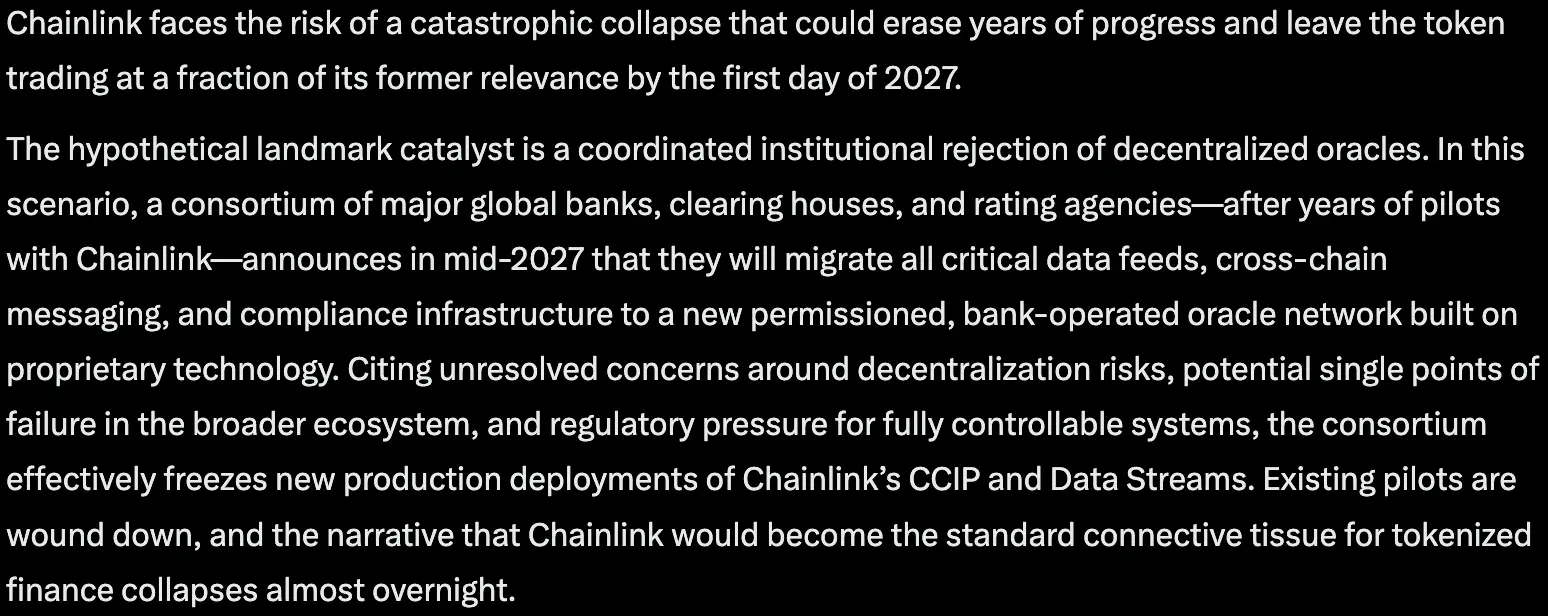 Claude AI Forecasts Chainlink Plunge in 2027
 XRP Crashes to $0.87 as ETF Assets Fall Below $1 Billion
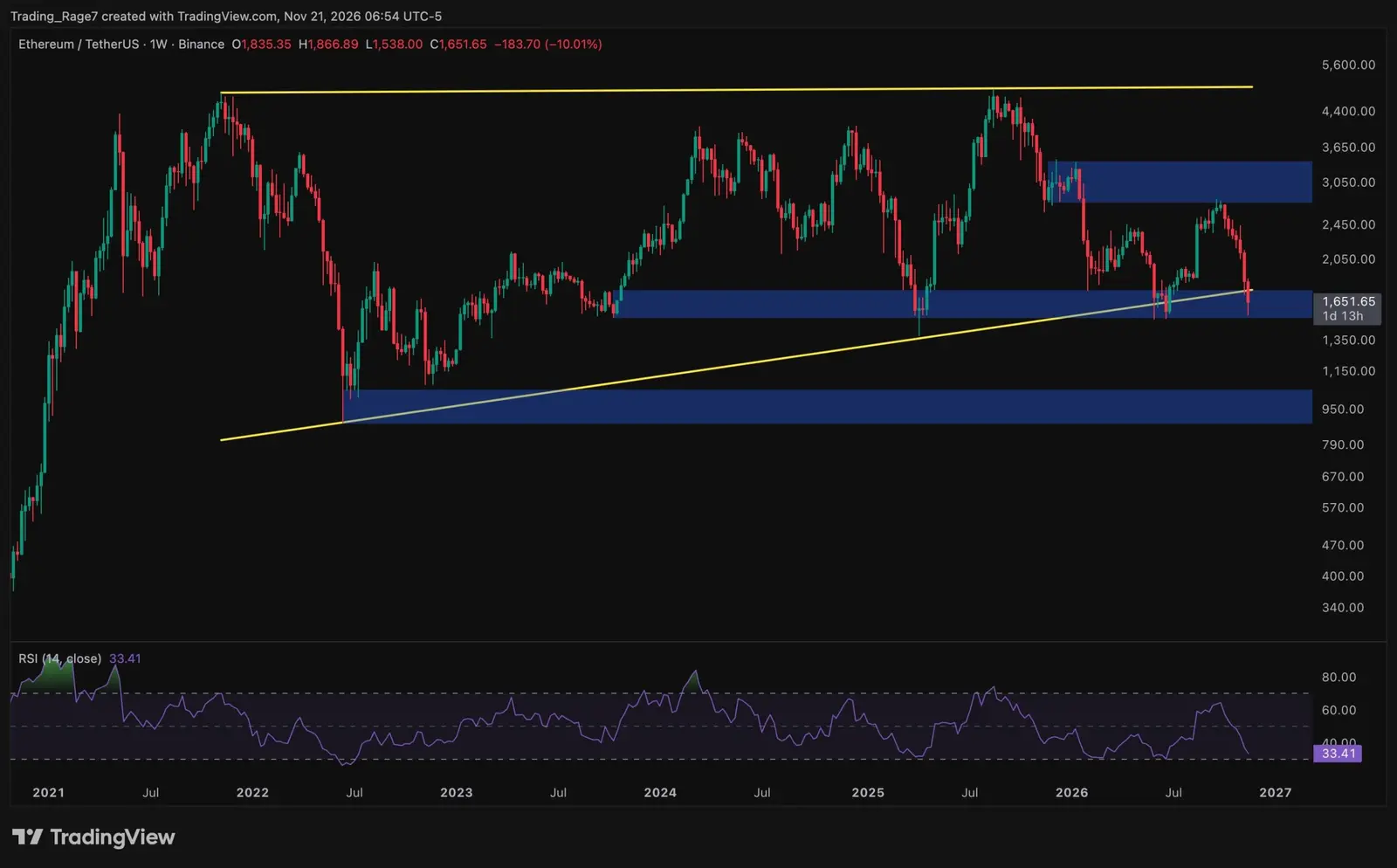 Ethereum price analysis: Did ETH hit its macro bottom after a 30% monthly drop?
The attack vector involved specific trading permissions rather than direct wallet access. Hackers utilized stolen API keys to execute trades that drained liquidity pools. This method allowed them to deplete collateral reserves without needing private keys to withdraw funds directly. The vulnerability exposed a critical weakness in how automated trading bots interact with on-chain data. Attackers could manipulate positions to trigger liquidations or absorb available liquidity. This technique highlights a subtle but dangerous gap in standard security protocols for high-frequency trading systems.
Does Hyperliquid’s Scale Create New Risks?
Hyperliquid currently supports a derivatives market valued at roughly $5.7 billion. Its architecture relies heavily on permissioned accounts for efficient order matching. This design choice creates a complex dependency between external platforms like Lighter and the core protocol. When an upstream service suffers a key compromise, downstream effects can ripple through the entire market. Traders now face questions about whether their assets are truly safe when held via third-party interfaces. The incident forces a reevaluation of trust assumptions in decentralized finance infrastructure.
The financial impact was contained to roughly five million dollars in USDC. However, the psychological impact on traders may be more significant. Many users rely on automated strategies that depend on these same API structures. The restoration of withdrawals signals that the immediate threat has been neutralized. Yet, the underlying permission model remains unchanged. Developers must now consider stricter validation layers for incoming trade requests. This update aims to prevent similar exploits from succeeding in future attacks.
How much money did Lighter recover from the exploit? Lighter Protocol successfully recovered approximately $5 million worth of USDC stablecoins. This sum represents the majority of the funds initially drained during the attack.
Frequently Asked Questions
What specific vulnerability did the hackers use? Attackers leveraged compromised API signing keys to execute malicious trades. They exploited trading permissions to drain liquidity pools without accessing direct withdrawal functions.
Is the Hyperliquid market structure inherently unsafe? The incident does not prove the core protocol is broken, but it highlights risks in permissioned account models. The $5.7 billion market size amplifies potential damage from such edge-case exploits.