Why Investors Trade Tokenized Stocks After Hours
Tokenized equities have reached a total value of nearly $3.3 billion as investors increasingly seek access to traditional stocks beyond standard U. S. trading hours. This growth reflects a shift toward 24/7 market participation enabled by blockchain platforms like Solana and BNB Chain. Trading activity data shows that the majority of transactions occur when U. S. stock exchanges are closed, highlighting demand for continuous access to assets such as Apple, Tesla, and Microsoft through tokenized representations.
Breaking news
 Citadel and BNY push tokenized US debt forward
 Researcher Revises Memecoin Study After Discovering Critical Data Flaw
 Ripple partners with Privy to integrate wallet technology into the XRP Ledger
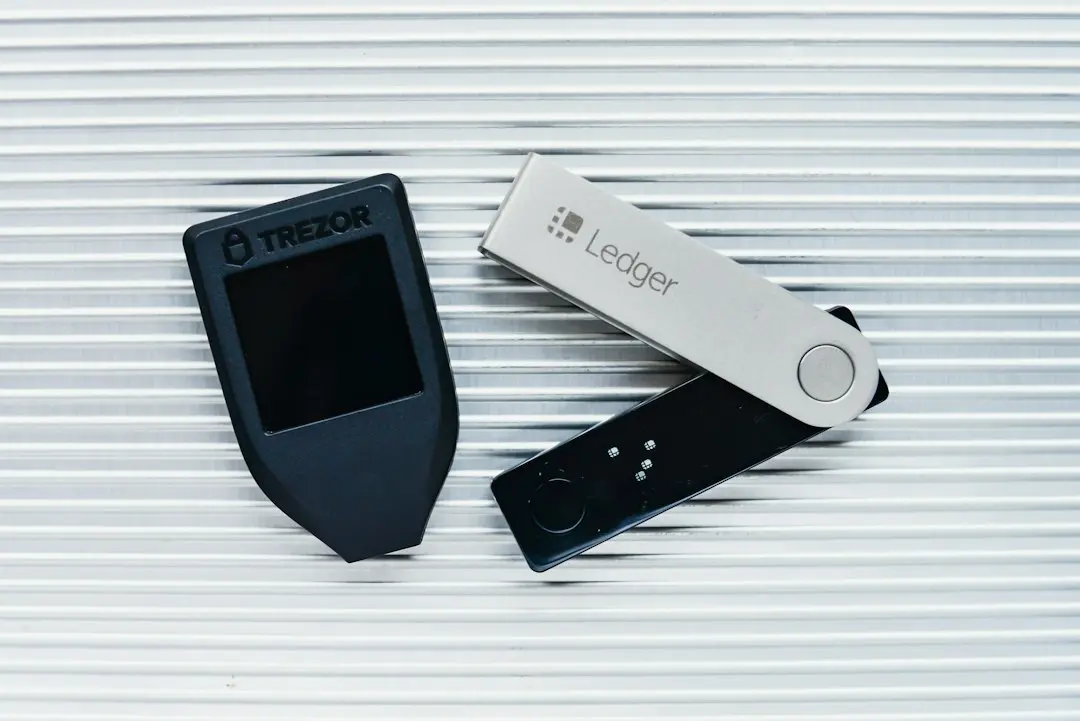 Ledger Spy Implant Scandal Prompts Mediamarkt Sales Freeze
Investors are turning to tokenized stocks to react to global news, earnings reports, and geopolitical events in real time, without waiting for the New York Stock Exchange or NASDAQ to open. Platforms on Solana and BNB Chain allow fractional ownership and instant settlement, reducing barriers for retail traders in Asia, Europe, and other regions. The decentralized nature of these chains supports lower latency and fewer intermediaries compared to traditional after-hours systems, which often suffer from limited liquidity and higher fees.
How Does Round-the-Clock Trading Affect Market Dynamics
The rise of off-hours tokenized trading introduces new price discovery mechanisms that may diverge from those on regulated exchanges during official sessions. Arbitrage opportunities emerge when tokenized prices deviate from underlying stock values, prompting traders to exploit inefficiencies. Regulators are monitoring these developments closely, as unregulated trading volumes grow and questions arise about investor protection, market manipulation risks, and the need for clearer oversight frameworks in the crypto-equity hybrid space.
While round-the-clock trading offers flexibility, it also exposes investors to heightened volatility during periods of low liquidity, especially when major market-moving events occur outside traditional hours. Smart contract vulnerabilities, platform security, and custody risks remain concerns for users holding tokenized assets. Unlike traditional brokerage accounts, tokenized holdings may not be covered by securities investor protection schemes, leaving users more exposed in case of platform failure or fraud.
What Risks Come With 24/7 Tokenized Equity Access
What are tokenized stocks? Tokenized stocks are digital representations of traditional equities issued on blockchain networks, allowing investors to buy fractional shares and trade them peer-to-peer without intermediaries.
Frequently Asked Questions
Why does most trading happen outside U. S. hours? Global investors in time zones ahead of or behind the U. S. use tokenized stocks to trade during their local business hours, reacting to news and data as it breaks, rather than waiting for U. S. markets to open.
Are tokenized stocks regulated like regular stocks? Currently, tokenized stocks operate in a regulatory gray area; they are not uniformly treated as securities under existing laws, and oversight varies significantly by jurisdiction, leaving many platforms unregistered with financial authorities.