How Meme Coins Bypass Traditional Tracking
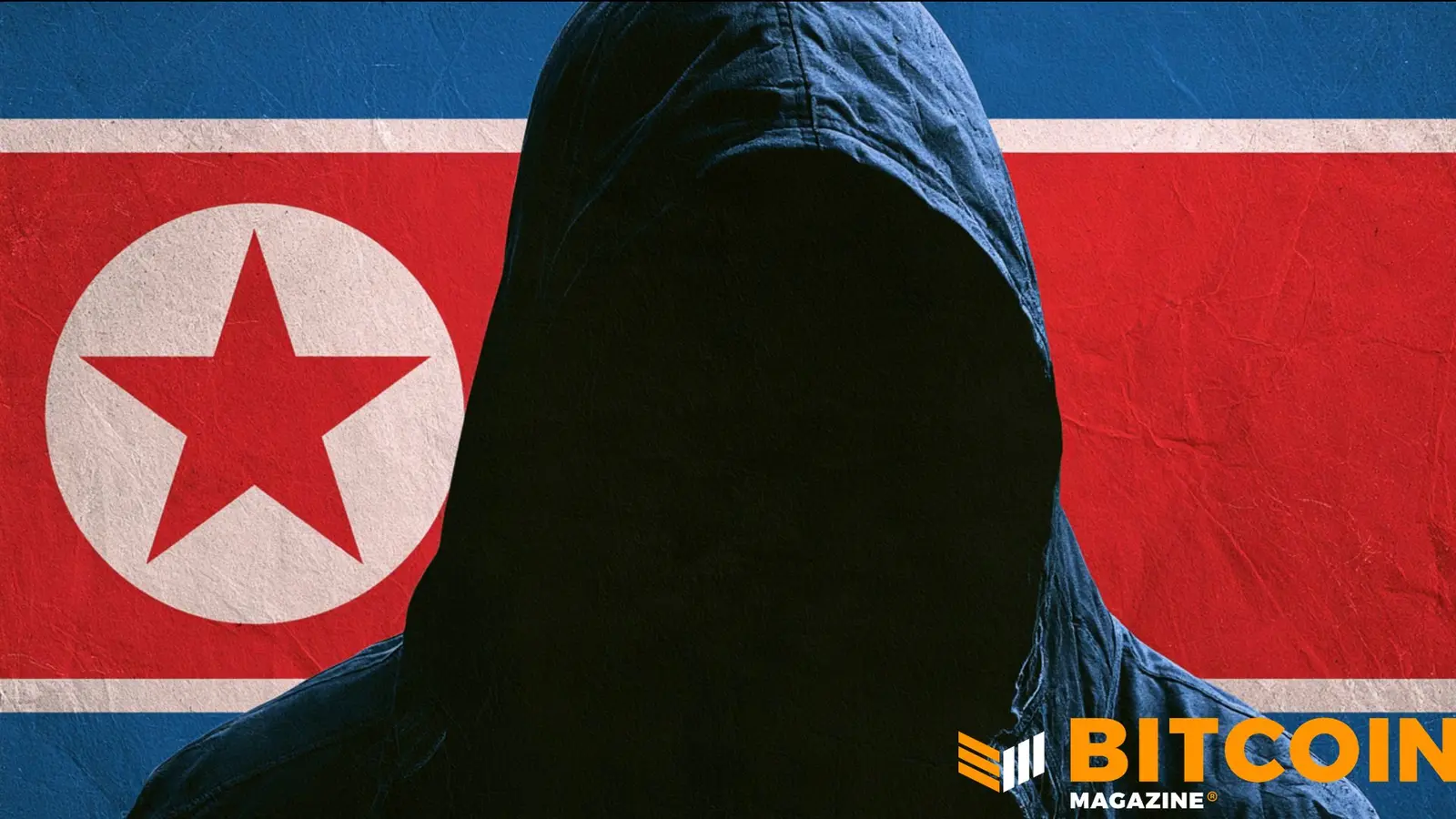
State-sponsored hackers from North Korea have adopted a novel money laundering technique, minting custom meme tokens to obscure stolen Binance funds. Blockchain analytics firm Elliptic revealed on Monday that cybercriminals are utilizing these worthless digital assets to break the direct transaction trail between wallets.
Breaking news
 Bitcoin Miners Face Hardware Shortage as AI Boom Strains Chip Supply
 Claude AI Forecasts Chainlink Plunge in 2027
 XRP Crashes to $0.87 as ETF Assets Fall Below $1 Billion
 Ethereum price analysis: Did ETH hit its macro bottom after a 30% monthly drop?
The illicit activity took place between November 5 and 7, according to the blockchain investigators. Rather than moving stolen cryptocurrency directly through conventional mixing services, the hackers routed the funds into newly created meme coins. This strategy creates a convoluted transaction history that makes tracking the original loot significantly harder for international authorities and exchange platforms.
Can Global Regulators Stop Crypto Laundering?
The core of this laundering scheme relies on the decentralized nature of token creation on public blockchains. Anyone can deploy a new cryptocurrency token within minutes without needing approval from a central authority. North Korean operators manufactured their own custom meme coins specifically for this operation.
By channeling stolen Binance assets into these proprietary tokens, the hackers effectively sever the direct digital link connecting the original breach to their destination wallets. The funds are disguised as routine decentralized finance trading activity, helping the state-sponsored actors bypass automated security flags and compliance monitoring on major exchanges.
Financial watchdogs and blockchain intelligence firms face mounting challenges as hackers continually evolve their tactics. Traditional asset freezing relies on identifying predictable transaction paths between known addresses. When bad actors invent new tokens simply to obscure trails, investigators must manually map out every newly minted asset.
Frequently Asked Questions
The adaptation highlights the growing sophistication of North Korea's cyber warfare divisions, which heavily fund state programs through digital asset theft. As long as decentralized networks allow frictionless token creation, illicit actors will likely continue exploiting these loopholes to liquefy stolen capital.
Q: When did this specific blockchain activity occur? A: Blockchain analytics firm Elliptic identified the transactions taking place between November 5 and 7.