
Unexpected Consensus Disruption: What Happened Inside the Protocol?
A major blockchain platform, Ontology, paused its Layer‑1 network for 41 hours after detecting an unidentified threat. The shutdown began on October 12th, 2026, at 12:38 PM EDT, and the network resumed operation later that day. The move was taken to safeguard the integrity of the blockchain and protect user funds.
Breaking news
 Ethereum Reserves on Binance Hit Seven-Month Low Amid Sharp Liquidity Decline
 Ethereum Visionary V. Buterin Announces 2030 Upgrade Roadmap
 Bitcoin Shows Early Bullish Signs Despite Struggle to Surpass $84,000
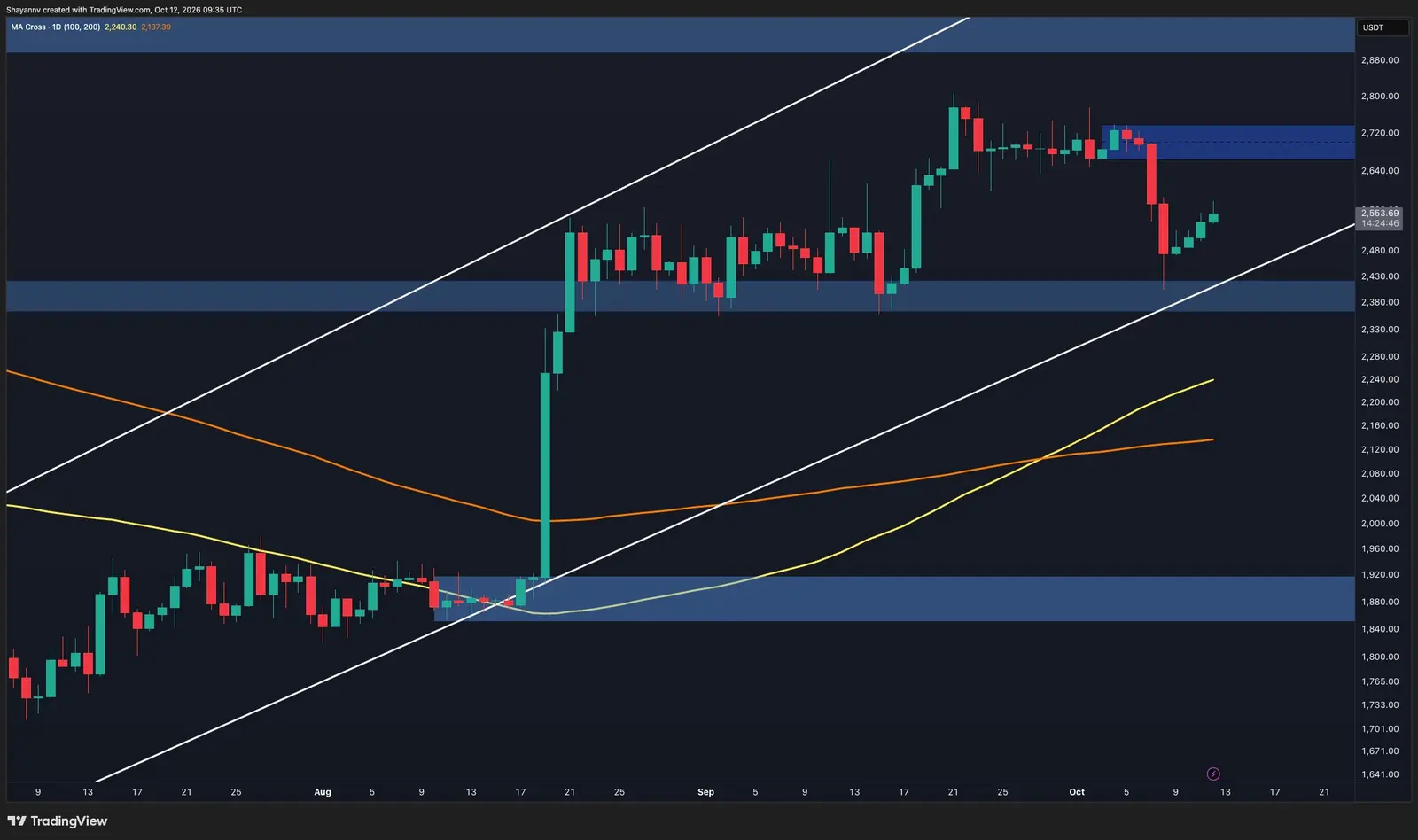 Ethereum Eyes $2.55K After Recent Sell‑Off
The halt was triggered by a security alert that indicated a potential vulnerability in the consensus protocol. Ontology’s security team conducted an emergency assessment and decided that immediate suspension was the safest course of action. The company released a brief statement acknowledging the issue and assuring users that the platform’s security remained intact. While the exact nature of the threat remains undisclosed, the organization emphasized that the pause prevented any potential exploitation.
The consensus layer of Ontology’s blockchain relies on a delegated proof‑of‑stake mechanism. During the 41‑hour window, validators could not submit new blocks, causing the network to stall. Analysts suggest that the threat could have involved a replay attack or a flaw in the validator selection algorithm. Because the protocol requires strict synchronization among nodes, any compromise could lead to double‑spending or chain forks. By halting block production, Ontology avoided the risk of a cascading failure that could have affected the entire ecosystem.
How Will Ontology Strengthen Its Defenses Going Forward?
„We identified irregularities in the block validation process,” said a spokesperson. „Stopping the chain was the only option to ensure that no malicious actors could insert fraudulent transactions.” The platform’s developers also noted that the incident highlighted the importance of continuous monitoring and rapid incident response in decentralized systems.
Ontology has announced a comprehensive audit of its core protocols and a plan to upgrade its security infrastructure. The company will deploy additional intrusion detection systems and increase the frequency of security scans. Moreover, Ontology is collaborating with external auditors to review its consensus code and identify any hidden vulnerabilities. The organization plans to release a detailed report within the next month, outlining the findings and remedial measures.
The 41‑hour outage also prompted discussions about the resilience of Layer‑1 blockchains. Experts argue that temporary suspensions, while disruptive, can be a prudent response to emerging threats. They stress that transparent communication is vital to maintain user trust during such incidents. Ontology’s swift announcement and subsequent restoration of service are seen as best practices in the industry.
The platform’s market reaction was muted. Cryptocurrencies such as Bitcoin and Ethereum experienced minor dips, reflecting broader market sensitivity to security news. Ontology’s own token, ONT, saw a brief decline before rebounding as confidence returned. The incident underscores the delicate balance between maintaining continuous operation and ensuring robust security.
Frequently Asked Questions
What caused the 41‑hour pause on Ontology’s blockchain? An unidentified threat targeting the consensus protocol prompted the security team to halt block production to prevent potential exploitation.
Did the shutdown affect user funds or transactions? No confirmed incidents of fraud or loss were reported. The pause prevented any malicious activity that could have compromised user assets.
Will Ontology be able to prevent similar incidents in the future? The company is conducting a full audit, upgrading security measures, and collaborating with external experts to strengthen its defenses and reduce the likelihood of future disruptions.