How Conditional Payments Work in Practice
Stablecoins have already moved traditional currency onto blockchain networks. The next phase adds logic directly to the transactions themselves. This new layer allows money to carry conditions related to identity, compliance, and settlement.
Breaking news
 Dogecoin Co-Founder Identifies Weak Demand as Catalyst for Crypto Market Slump
 Dogecoin Bounces Back After Brutal 65% Year-Long Slide
 Bitcoin Miners Face Hardware Shortage as AI Boom Strains Chip Supply
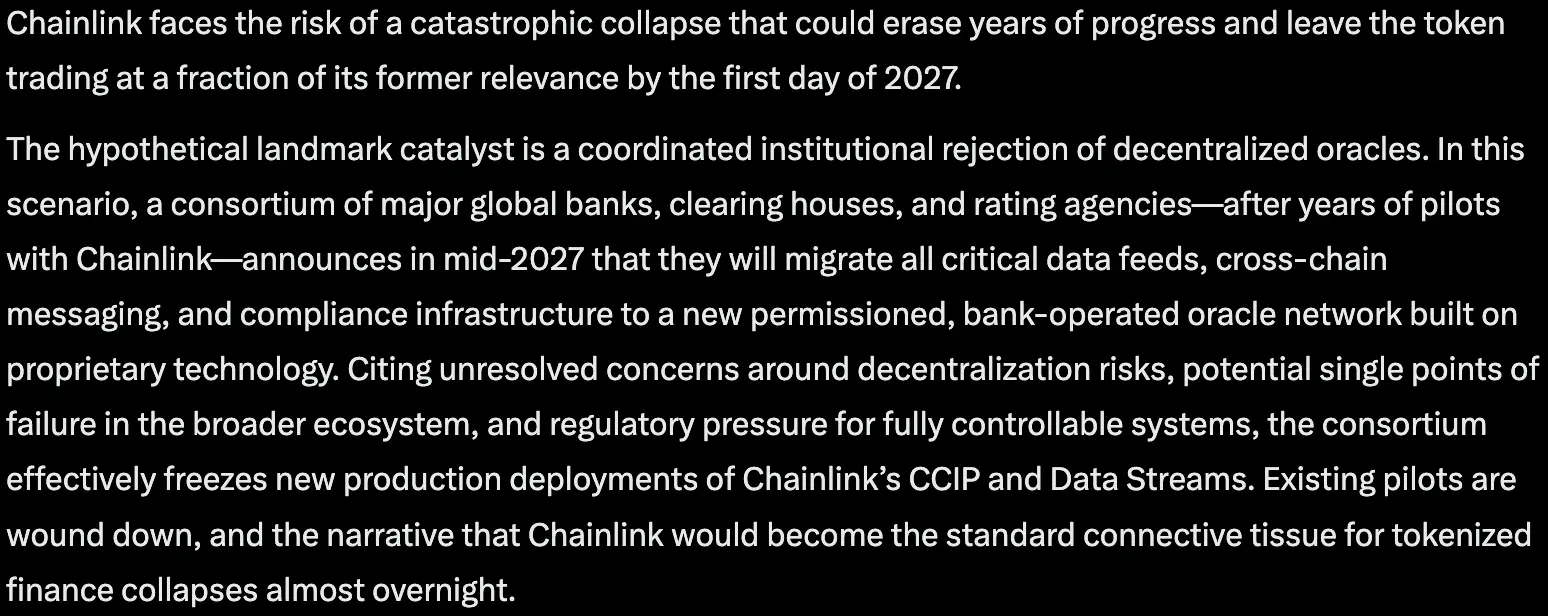 Claude AI Forecasts Chainlink Plunge in 2027
The core innovation is the shift from simple value transfer to conditional execution. A payment can now require specific identity verification before funds release. Compliance checks can be embedded in the transfer logic. This means the money itself enforces the rules, not just the platforms handling it.
Developers can write smart contracts that hold funds in escrow until delivery is confirmed. Tax obligations can trigger automatically when a threshold is crossed. Collateral requirements can be coded into the transaction. This removes the need for manual oversight at each step.
Why This Matters for Global Commerce
The technology relies on stablecoins as the base asset. Because their value remains fixed, the conditions attached to them are predictable. This stability makes them ideal carriers for programmable logic. The conditions execute automatically on-chain, reducing friction and human error.
This development targets a major pain point in cross-border trade. Traditional systems require multiple intermediaries to verify identity and compliance. Programmable payments collapse these steps into a single transaction. Merchants and buyers save time and reduce settlement risk.
The shift also affects how financial institutions build their products. Banks and fintechs can now offer self-executing payment flows. This changes the competitive landscape for digital banking services.
Frequently Asked Questions
What makes programmable stablecoins different from regular transfers? Regular transfers simply move value from one account to another. Programmable transfers attach conditions that must be met before the funds are released. The logic executes automatically on the blockchain.
Which conditions can be embedded in these transactions? Common conditions include identity verification, compliance checks, delivery confirmation, and tax triggers. These rules are written into the smart contract governing the payment.
How does this affect small businesses? Small businesses gain faster, automated settlement without manual compliance work. The embedded conditions reduce the need for third-party verification services. This lowers operational costs for cross-border transactions.