
Eliminating Cryptographic Vulnerabilities in Docker Containers
ConsenSys released emergency patches for its Teku and Besu software clients this week. The updates eliminate compromised cryptographic certificates from Docker images used by blockchain operators connecting to external internet services.
Breaking news
 Bitcoin Miners Face Hardware Shortage as AI Boom Strains Chip Supply
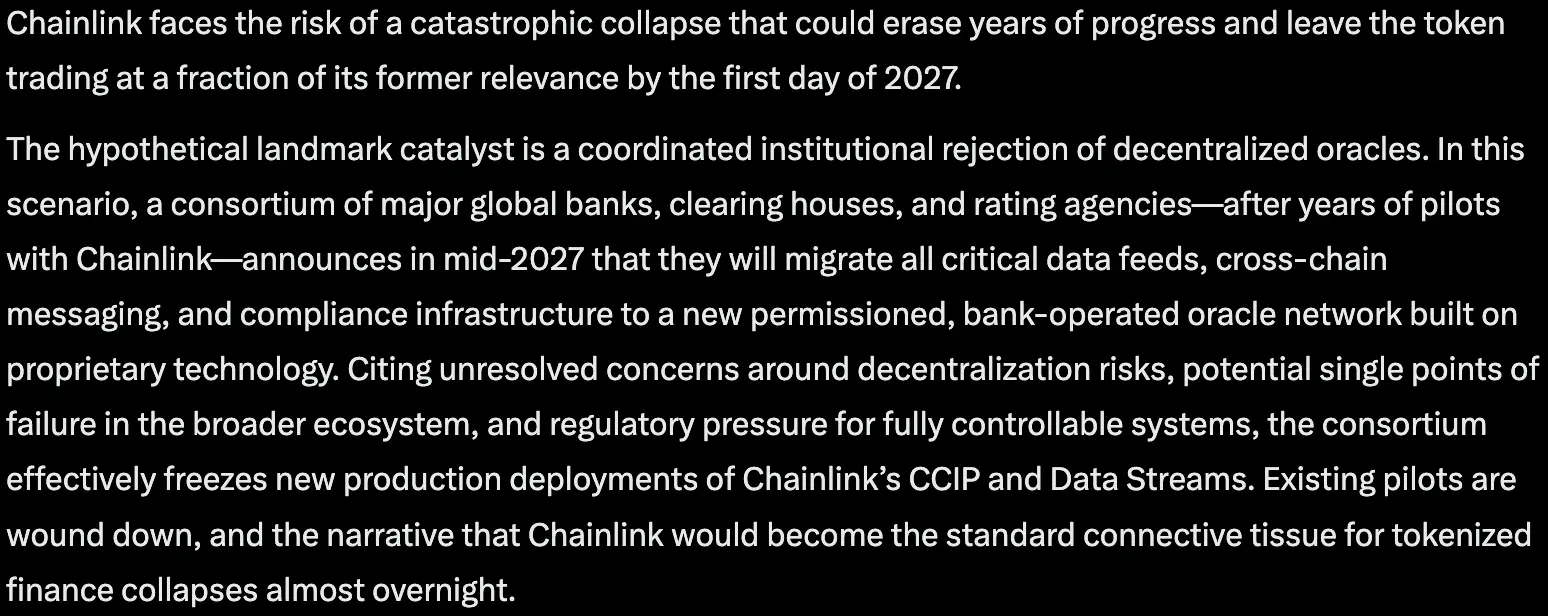 Claude AI Forecasts Chainlink Plunge in 2027
 XRP Crashes to $0.87 as ETF Assets Fall Below $1 Billion
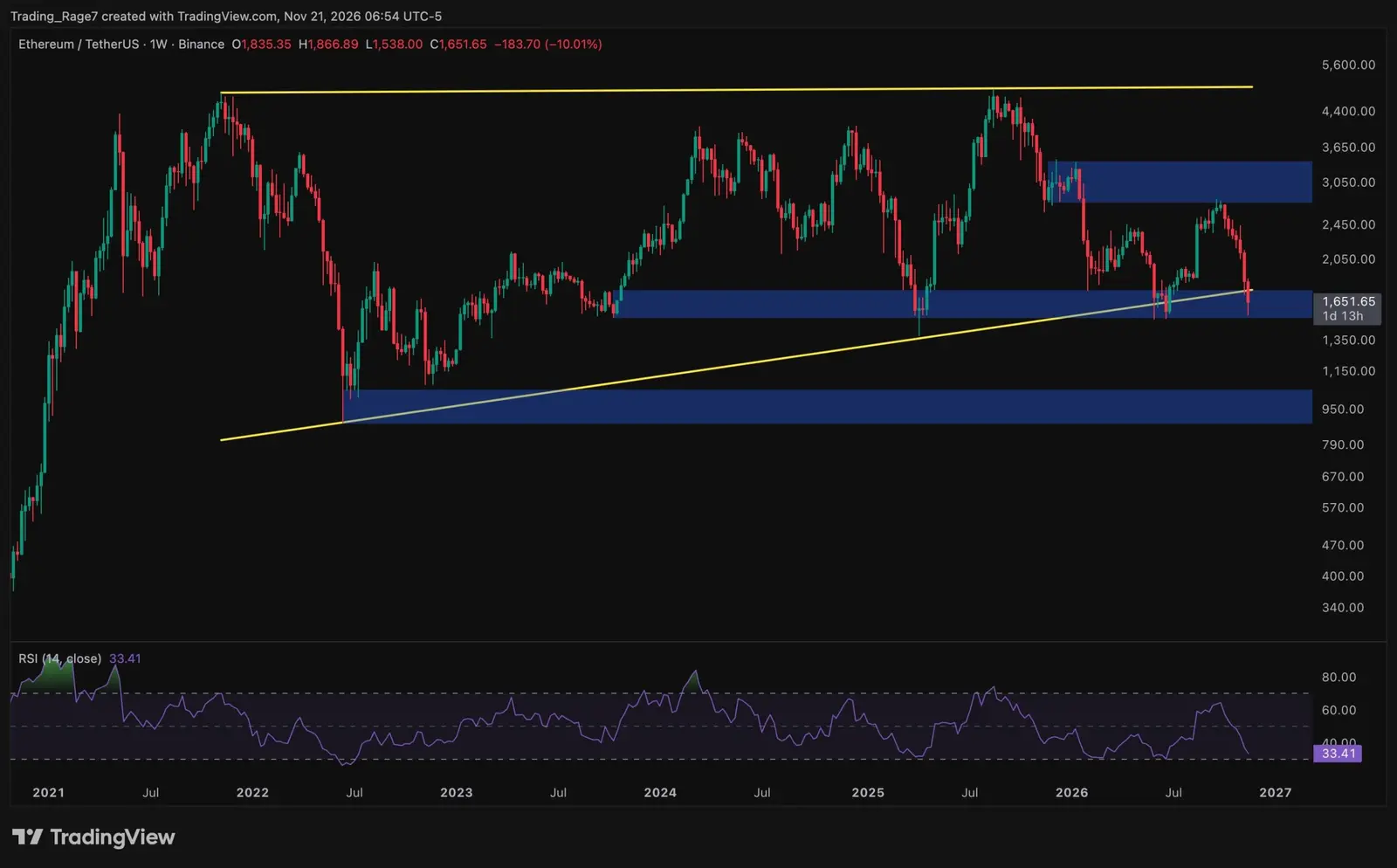 Ethereum price analysis: Did ETH hit its macro bottom after a 30% monthly drop?
The vulnerability stems from the widespread e Mudhra certificate incident, which exposed weak keys across multiple tech sectors. While standard mainnet nodes remained largely secure, specialized setups interfacing with external APIs faced potential interception risks. Developers acted swiftly to purge the faulty trust stores and restore full operational security.
Docker containers package applications with all necessary dependencies, making them popular among decentralised network operators. Unfortunately, this design can sometimes bundle outdated security certificates by default.
How Did Weak Keys Threaten Validator Operations?
The latest patches ensure that neither Teku version 26.10.3 nor Besu version 26.10.2 retain the compromised e Mudhra assets. Engineers recommend that all affected infrastructure managers apply these container updates immediately to maintain network integrity.
Network validators rely heavily on secure communications when fetching external data or broadcasting transactions. When certificate trust stores contain vulnerable keys, malicious actors could theoretically launch man-in-the-middle attacks against connected nodes.
Frequently Asked Questions
Although standard configurations largely avoided direct exposure, the incident highlights hidden dependencies within modern software supply chains. Developers continue auditing container builds to prevent similar cryptographic oversights from slipping into production environments.
What software clients required immediate patching? ConsenSys updated both the Teku and Besu execution and consensus clients to address the certificate vulnerability.
Are standard mainnet Ethereum nodes at risk? According to development teams, a default mainnet node configuration remains unaffected by the e Mudhra key compromise.