A Two-Year Breathing Room for Crypto Investors
South Korea has postponed its cryptocurrency capital gains tax from January 2027 to January 2029. Finance Minister Lee Hyoung-il made the announcement on November 5. The move gives investors an extra two years of tax-free trading.
Breaking news
 Dogecoin Bounces Back After Brutal 65% Year-Long Slide
 Bitcoin Miners Face Hardware Shortage as AI Boom Strains Chip Supply
 Claude AI Forecasts Chainlink Plunge in 2027
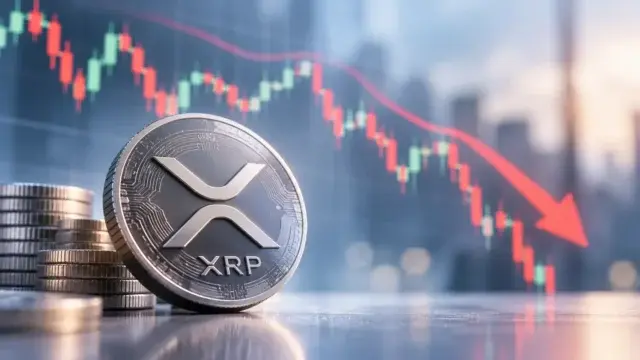 XRP Crashes to $0.87 as ETF Assets Fall Below $1 Billion
The delay stems from ongoing negotiations between the finance ministry and lawmakers. Authorities aim to refine the tax framework before implementation. This buffer period allows the market to stabilize and adapt to new regulations.
The postponement removes immediate tax pressure on Bitcoin holders. Traders can continue buying, selling, and staking without worrying about a sudden tax bill. This environment encourages more retail participation in the crypto market.
Will the Delay Change Bitcoin's Popularity in Asia?
Industry analysts note that the delay aligns with global trends. Many jurisdictions are still working out how to tax digital assets fairly. South Korea's approach reflects a cautious, collaborative stance.
The extended window could make South Korea a more attractive hub for crypto activity. Investors may shift capital to the region to avoid early taxation. Local exchanges could see increased trading volume during the grace period.
However, the tax will still arrive in 2029. Investors should plan for the eventual levy. The delay is temporary, not a permanent exemption.
Frequently Asked Questions
When exactly will the crypto tax take effect in South Korea? The tax is now scheduled for January 2029. This is two years later than the original January 2027 target.
Who announced the postponement? Finance Minister Lee Hyoung-il announced the delay on November 5. He confirmed the government will work with lawmakers to finalize the new timeline.
Does the delay mean no tax on crypto gains? No. The tax is postponed, not canceled. Investors get two extra years of tax-free trading before the levy begins in 2029.