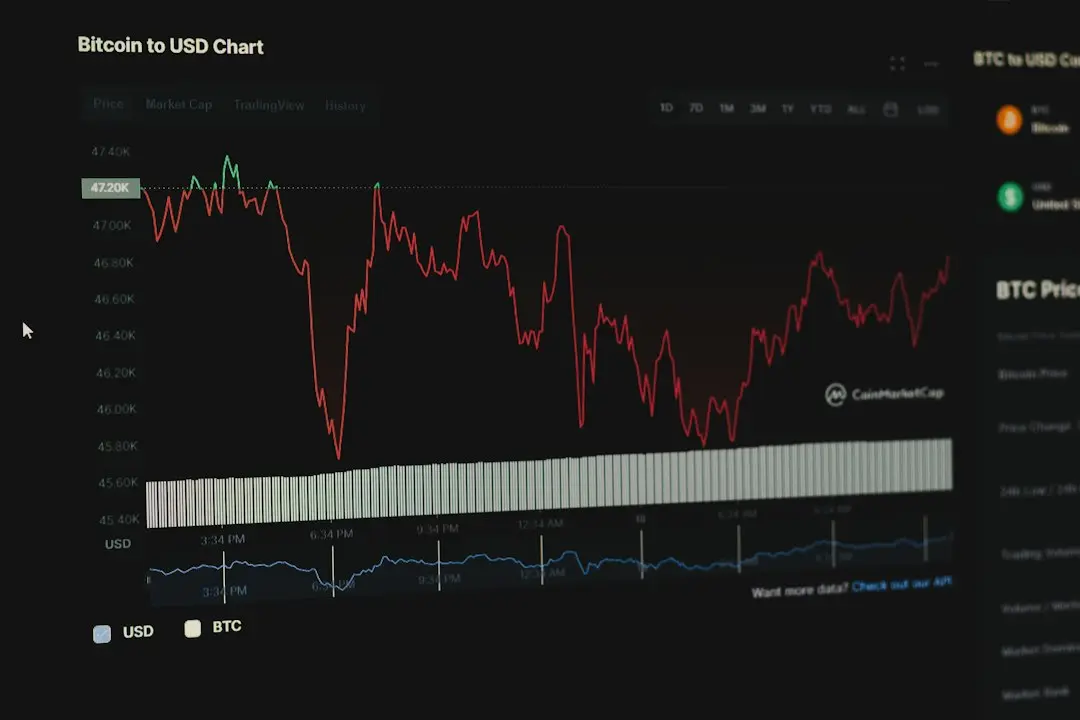
Managing Volatility Through Custodial Oversight
Jeonbuk Bank recently initiated a new financial service allowing corporate clients in South Korea to secure won-denominated loans using Bitcoin as collateral. This program, launched in October 2026, utilizes a specialized third-party custodian to hold the digital assets. The move marks a significant shift in how traditional banking institutions integrate cryptocurrency into lending.
Breaking news
 Solana Sandwich Bots Extract $29.7 Million, Mostly Targeting Pump.fun
 Standard Chartered Expands Crypto Custody Services to Singapore
 Hardware Implant Discovered in Crypto Wallet Security Investigation
 Zcash Surges 8% as Traders Eye Breakthrough to $1,400
The bank acts as the lender while the custodian manages the secure storage of the Bitcoin. By using an external partner, the bank avoids holding volatile digital assets directly on its own balance sheet. This structure is intended to mitigate direct exposure to market fluctuations while still providing liquidity to corporate borrowers who prefer to keep their digital holdings.
This lending model shifts the primary risks away from the bank’s core financial statements. However, the institution must still maintain rigorous standards for asset valuation and real-time collateral monitoring. If the value of the pledged Bitcoin drops significantly, the bank must have clear protocols to request additional collateral or trigger liquidation processes to protect the loan's value.
How Will Market Shifts Impact Loan Security?
The success of this initiative depends on the bank's ability to navigate the rapid price swings inherent in the cryptocurrency market. Financial analysts are watching closely to see if these systems can handle sudden market crashes. The bank's internal processes for recovery will face a true test if a prolonged bear market occurs during the loan term.
Maintaining the integrity of these loans requires constant oversight of the collateral’s market value. If Bitcoin prices fall below a specific threshold, the borrower must provide more assets to maintain the loan-to-value ratio. If the borrower fails to meet these margin requirements, the custodian may be forced to sell the Bitcoin to recover the outstanding loan balance.
The long-term viability of this service remains uncertain as regulators monitor the bank's risk management strategies. If this pilot program proves successful, it could pave the way for broader adoption of crypto-collateralized lending across the South Korean banking sector. Conversely, a major default or technical failure could lead to stricter oversight or a total suspension of such services.
Frequently Asked Questions
Does the bank hold the Bitcoin directly? No, the bank uses a specialized third-party custodian to hold the digital assets. This keeps the Bitcoin off the bank's own balance sheet.
What happens if the price of Bitcoin drops? The bank monitors the collateral value continuously. If the value falls, the borrower must provide additional assets to satisfy the loan requirements.
Can individual retail customers apply for these loans? The current program is restricted to corporate borrowers. It is designed to provide liquidity to businesses rather than individual investors.