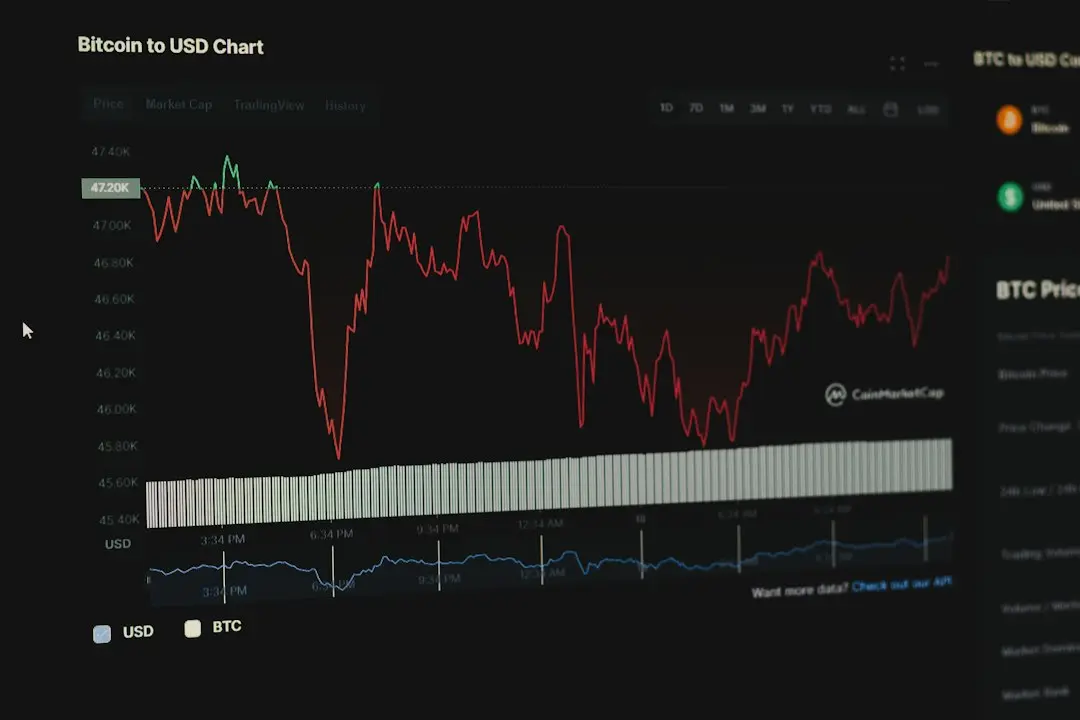
The Impact of Slippage Tolerance on Bot Attacks
A comprehensive analysis by blockchain data provider Bitquery highlights a worrying trend on the Solana network: the widespread deployment of sandwich algorithms to extract massive profits from retail traders. Between October 30, 2025, and October 7, 2026, these automated programs collected a gross total of $29.7 million.
Breaking news
 South Korean Bank Launches Bitcoin-Backed Corporate Lending Program
 Standard Chartered Expands Crypto Custody Services to Singapore
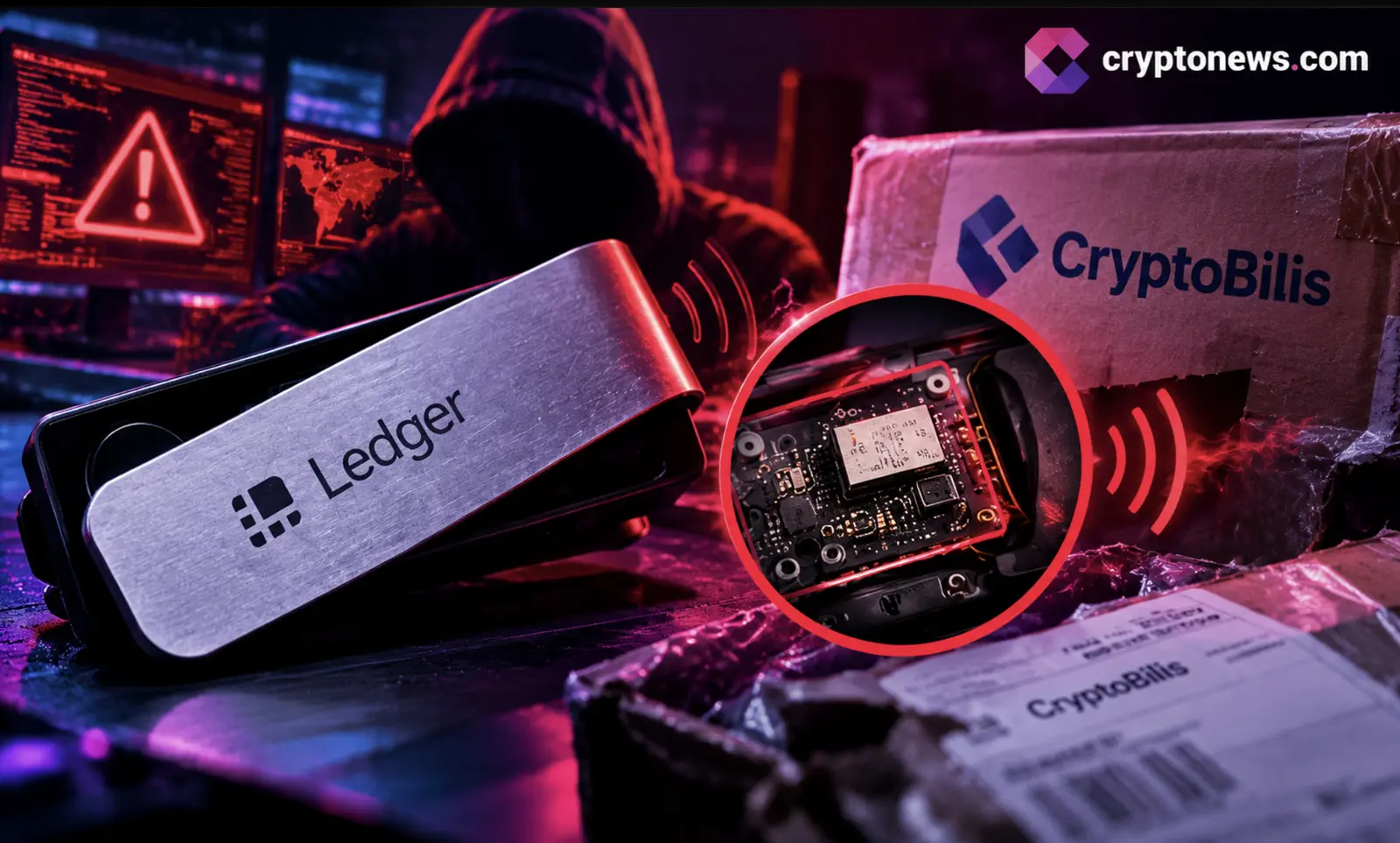 Hardware Implant Discovered in Crypto Wallet Security Investigation
 Zcash Surges 8% as Traders Eye Breakthrough to $1,400
Approximately 96% of these illicit operations targeted the Pump.fun ecosystem, focusing specifically on token bonding curves and the PumpSwap platform. The study identified an impressive volume of 6,850,144 individual attacks executed by 2,545 bot-controlled digital wallets. This activity directly impacted 2,154,994 distinct addresses. However, this metric does not represent unique individual humans, given that 39% of the total extracted value originated from transactions performed by competing bots.
The mechanics of this attack vector remain simple yet devastating for everyday users. A bot places two transactions—a buy order and a sell order—wrapping around the victim's trade. Through the initial purchase, the algorithm artificially inflates the price within the liquidity pool. Consequently, the legitimate buyer receives fewer tokens for their capital, while the bot immediately sells its assets at the newly elevated price, securing a profit at the trader's expense. Even when the user transaction completes successfully, the hidden cost is borne directly through execution quality.
An essential aspect of the study examines the relationship between slippage tolerance settings and attack frequency. Data collected via the Jupiter route shows that transactions permitting a slippage margin between 20% and 50% faced attacks fourteen times more often than those setting tolerances below 3%. Slippage represents the maximum price movement a trader accepts if the market shifts unfavorably during order processing. Although setting a wider threshold prevents transaction failures during high volatility periods, it exposes traders to highly unfavorable executions. This practice also creates an ideal window for sandwich bots.
Understanding Gross Figures Versus Net Profits
Interestingly, risk does not increase linearly with relaxed limits. For instance, transactions with tolerances below 0.5% suffered attacks more frequently than those set between 1% and 3%. Meanwhile, the threshold of 50% or higher registered a lower attack frequency compared to the mid-tier 20% to 50% bracket. These observations remain limited to Jupiter routing via Pump.fun, representing only a fraction of total analyzed transactions.
It is crucial to understand that the $29.7 million figure represents gross value calculated at the SOL price during each attack, rather than net profits for bot operators. Operational costs, such as network fees, significantly reduce actual earnings. In a sample of 63 attacks analyzed by Bitquery, bots retained roughly 68% of the extracted sum. However, 18 of these operations actually recorded net losses after covering expenses. Furthermore, the report notes minor inconsistencies in recording sell fees on Pump.fun, potentially introducing a 3% margin of error into gross estimates.
Bitquery's methodology relied on identifying recurring trading patterns and filtering out round-trip transactions occurring within the first ten slots of a token launch. Due to technical limitations inherent in blockchain records, proving conclusively that a bot foresaw an order prior to execution remains difficult. Some identified wallets might simply belong to high-speed human traders. This research ultimately highlights the complex trading environment on Solana and the persistent risks confronting participants across decentralized platforms.