Card Networks Bridge Crypto and Cash
In the first nine months of 2024, global stablecoin transactions reached $482 billion, a 45 % jump from the same period last year, according to analytics firm Allium. The rise coincides with Visa, Mastercard and Stripe adding crypto‑to‑cash pathways, enabling cardholders to spend digital assets directly.
Breaking news
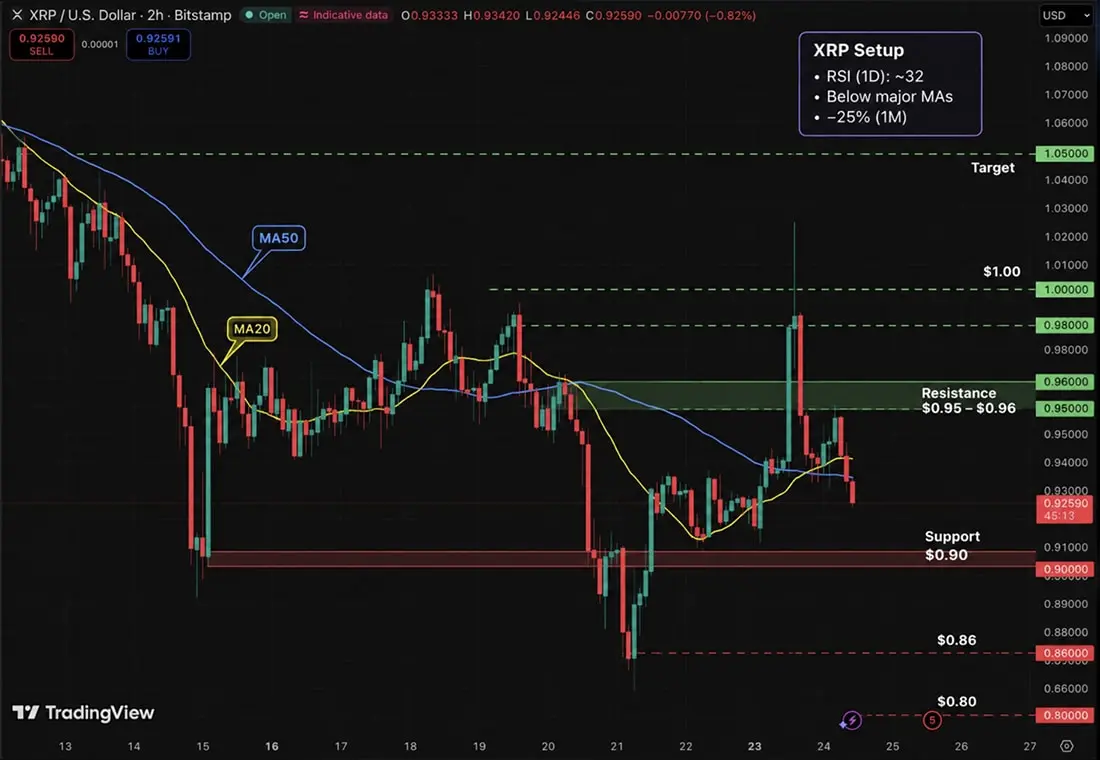
 Bitcoin and XRP Lose Ground as Nvidia‑Driven Rally Dims
 Binance Halts All Crypto Withdrawals for a Few Hours on November 25
 OKX and ICE’s Tokenized Stock Platform Generates $1.6 Million on First Day, Allium Reports
 Binance Integrates Cboe Real-Time U.S. Stock Data
Allium’s data shows that while the overall supply of stablecoins has plateaued, the volume of payments using them has accelerated. The new payment rails allow consumers to use stablecoins like USDC and USDT on everyday purchases, reducing the friction between digital currencies and traditional retail. The expansion is driven by merchants seeking higher conversion rates and lower settlement costs, as well as by consumers who prefer the stability of pegged tokens over more volatile cryptocurrencies.
Is the Stablecoin Boom Sustainable?
Visa, Mastercard and Stripe have introduced dedicated crypto payment solutions that integrate stablecoins into their existing card infrastructures. These platforms now support instant conversion of digital assets into fiat at the point of sale, making it easier for merchants to accept crypto without holding volatile tokens. The move has attracted a wave of new users who previously avoided crypto spending due to liquidity concerns. Early adopters report smoother checkout experiences and lower fees compared to traditional crypto‑to‑fiat exchanges.
Frequently Asked Questions
The surge in stablecoin payments raises questions about long‑term viability. While the supply growth has slowed, the demand for transactional use continues to rise, suggesting a shift toward stablecoins as a medium of exchange rather than a speculative asset. Regulatory scrutiny remains a risk, as authorities worldwide examine the implications of widespread crypto‑enabled payments for financial stability and consumer protection.
The expansion of crypto rails by major payment providers could reshape the global payments landscape, encouraging broader adoption of digital currencies. However, the success of this integration will depend on continued regulatory clarity, merchant acceptance, and consumer trust in the stability of these tokens.