
This structure creates potential friction for consumers
Stablecoin debit cards are driving a $1.37 billion monthly spending volume, according to Paymentscan data. The growth signals a shift from speculative crypto trading toward everyday consumer transactions. The rise reflects broader adoption of digital dollar products. Merchants now accept these cards at standard point-of-sale terminals. This integration removes the need for customers to convert assets manually before paying. Where the Money Actually Goes The funds flow through a complex chain of intermediaries. Issuers provide the card network access. Custody providers secure the underlying stablecoin balances. Conversion services handle the exchange from digital dollars to fiat currency at checkout. Settlement arrangements determine who bears the cost of failed transactions. If a purchase declines, the refund path depends on which provider holds the funds at that moment.
Breaking news
 Dogecoin Bounces Back After Brutal 65% Year-Long Slide
 Bitcoin Miners Face Hardware Shortage as AI Boom Strains Chip Supply
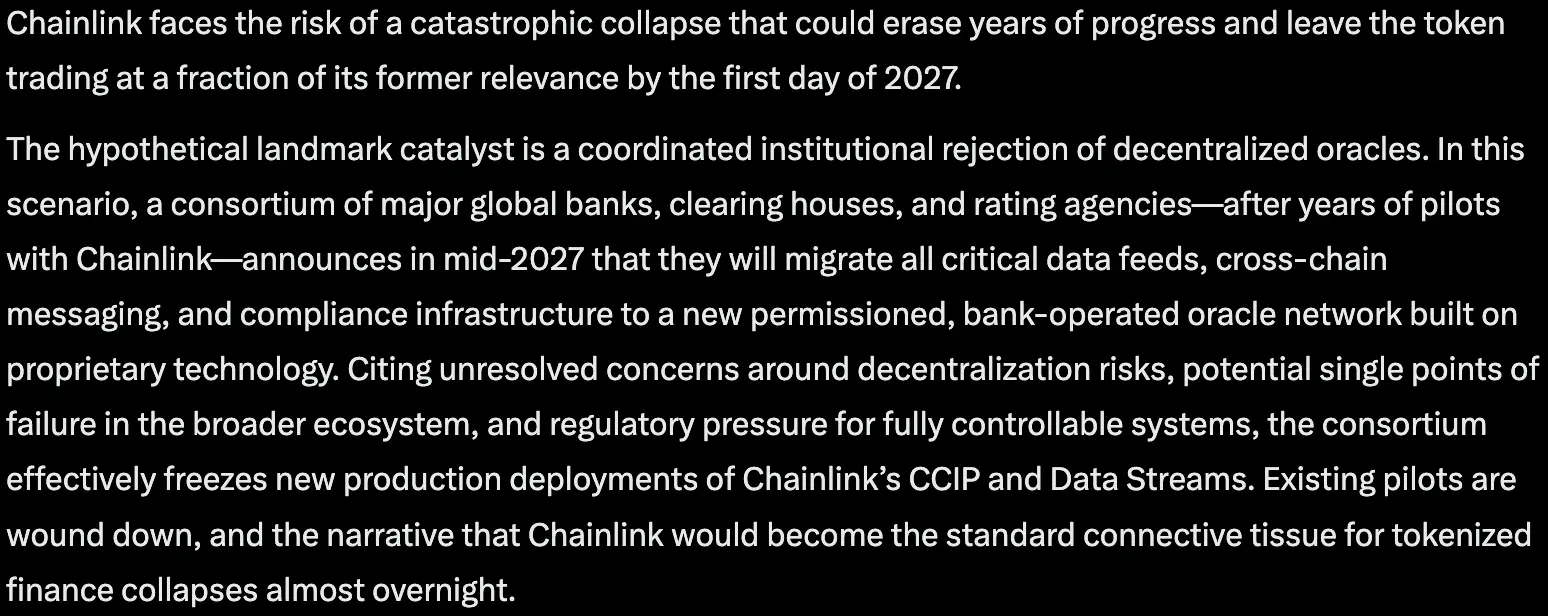 Claude AI Forecasts Chainlink Plunge in 2027
 XRP Crashes to $0.87 as ETF Assets Fall Below $1 Billion
This structure creates potential friction for consumers. What Happens When a Purchase Fails When a card transaction is rejected, the money typically returns to the issuer’s account. The issuer then coordinates with the custody provider to release the funds back to the customer. This process can take hours or days, depending on the provider’s operational speed. Consumers should verify which custody provider backs their card. Different providers offer varying levels of insurance and recovery guarantees. A card backed by a major custody firm generally offers faster dispute resolution. The outlook for stablecoin cards remains positive. As more merchants integrate these payment methods, consumer confidence will likely grow. The key challenge is standardizing the refund and dispute process across all providers. Frequently Asked Questions How does a stablecoin card work at checkout? The card terminal reads the card as a standard debit card.
The issuer converts the stablecoin balance to fiat currency in the background
The issuer converts the stablecoin balance to fiat currency in the background. The merchant receives fiat settlement as usual. Who is responsible if a transaction fails? The issuer coordinates with the custody provider to reverse the transaction. The customer’s funds return to their digital wallet. The timeline varies by provider, ranging from minutes to several days.