
Why Leverage and Lending Matter for Tokenized Shares
A group of ten companies has chosen not to participate in the tokenization of their shares on the OKXICE exchange, according to Mike Cagney, co‑founder of the blockchain‑based platform. The decision comes amid concerns that OKXICE lacks key financial services such as leverage and stock lending, which could limit its attractiveness to institutional investors. The announcement was made early this week, sparking debate over the viability of tokenized securities in the current market environment.
Breaking news
 Bitcoin Miners Face Hardware Shortage as AI Boom Strains Chip Supply
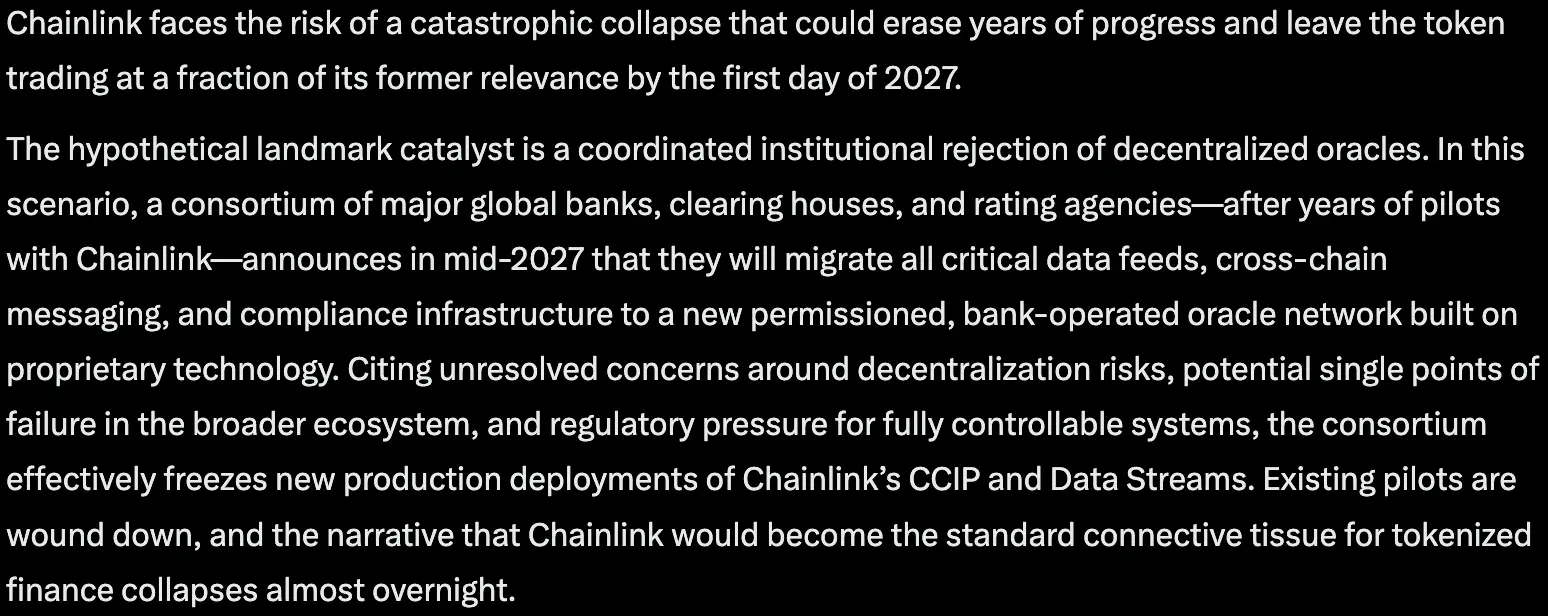 Claude AI Forecasts Chainlink Plunge in 2027
 XRP Crashes to $0.87 as ETF Assets Fall Below $1 Billion
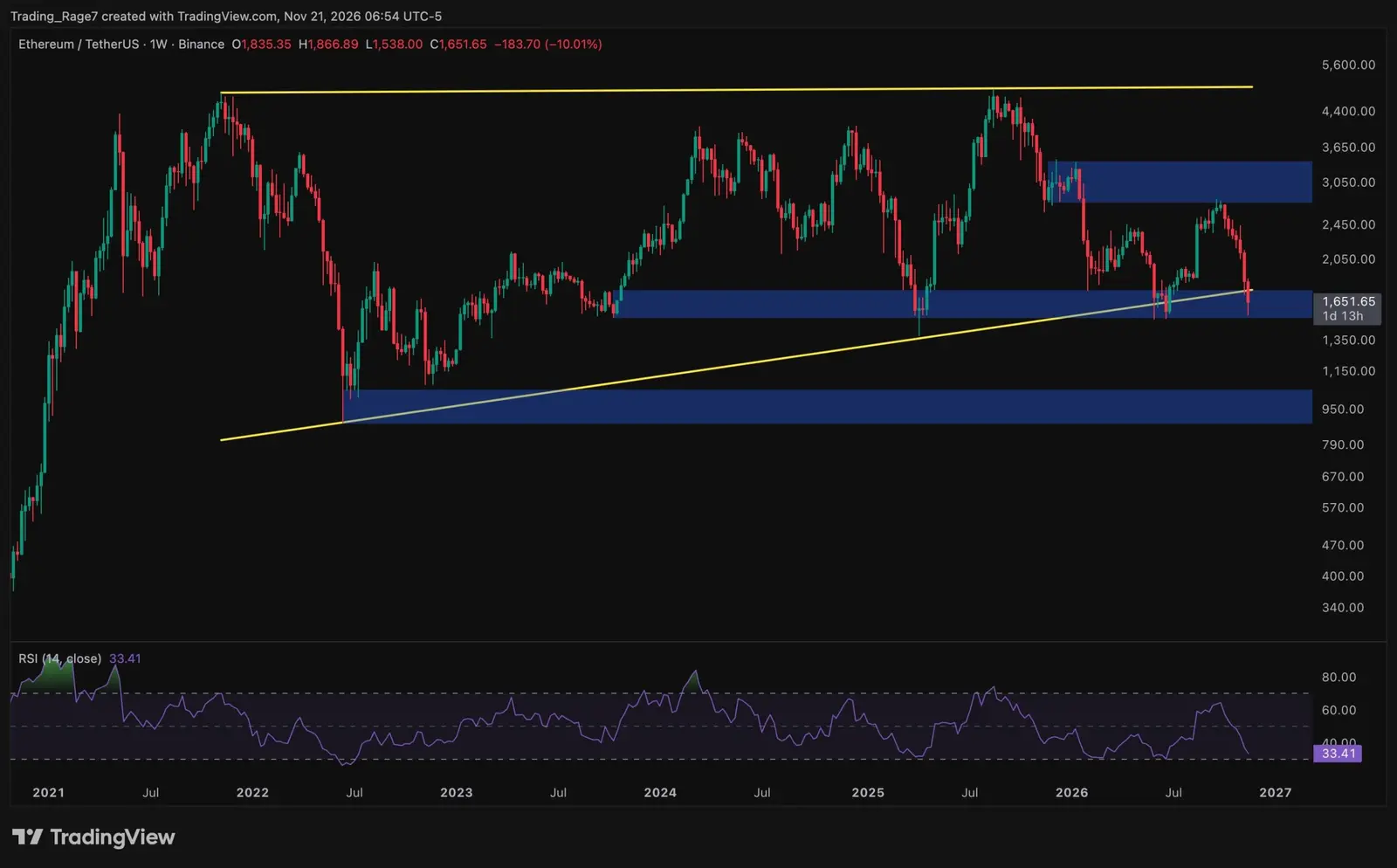 Ethereum price analysis: Did ETH hit its macro bottom after a 30% monthly drop?
Cagney explained that the companies’ withdrawal was largely driven by the platform’s limited product offering. „Without the ability to borrow against tokenized holdings or lend them to others, the liquidity and risk‑management tools that large investors rely on are missing,” he said. He added that the platform’s regulatory framework also raised questions. „The lack of clear oversight on tokenized securities makes it difficult for firms to justify the move to investors who demand transparency and compliance,” he noted. The companies cited these factors as the main reasons for opting out, and they plan to explore other tokenization providers that offer more comprehensive services.
How Does This Impact OKXICE’s Growth Strategy?
Leverage and stock lending are standard features in traditional equity markets, allowing traders to amplify positions and generate additional income. In the tokenized world, these mechanisms are still nascent. „Tokenized assets that cannot be borrowed or lent are effectively static holdings,” said Cagney. „They lack the flexibility that drives trading volume and price discovery.” The absence of these services on OKXICE means that tokenized shares may not attract the same level of market activity, potentially leading to lower liquidity and higher volatility. The companies that withdrew are looking for platforms that can integrate these features to meet their investors’ expectations.
Frequently Asked Questions
OKXICE had positioned itself as a pioneer in the emerging field of security token offerings, promising a streamlined, blockchain‑based alternative to traditional exchanges. The recent opt‑outs, however, raise doubts about the platform’s ability to scale. „We are reassessing our roadmap to include leverage and lending options,” Cagney said. The company’s leadership is also considering partnerships with established financial institutions to bolster regulatory compliance. While the platform still boasts a growing user base, the loss of ten corporate participants could slow its momentum and affect its market credibility.
The broader tokenization market remains optimistic, with several other exchanges expanding their service portfolios. Yet the OKXICE episode underscores the importance of offering a full suite of financial tools to attract institutional interest. Investors and issuers alike will likely weigh these factors more heavily as they decide where to tokenize their assets.