How the Deposit Failure Unfolded
Tether has blacklisted approximately $2.2 million worth of Tether tokens held in wallets associated with the Indian exchange CoinDCX. This action follows a recent technical failure that compromised deposit security. The freezing measure aims to secure funds while the exchange resolves its internal issues.
Breaking news
 Dogecoin Bounces Back After Brutal 65% Year-Long Slide
 Bitcoin Miners Face Hardware Shortage as AI Boom Strains Chip Supply
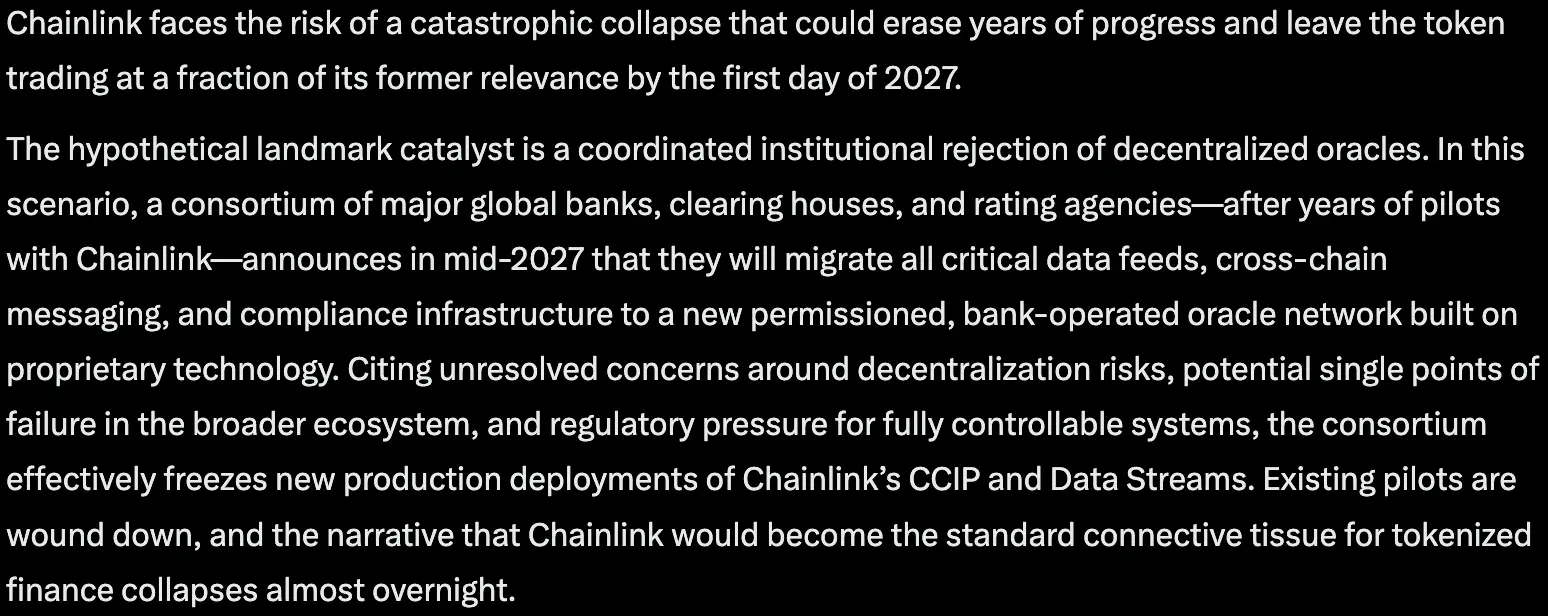 Claude AI Forecasts Chainlink Plunge in 2027
 XRP Crashes to $0.87 as ETF Assets Fall Below $1 Billion
The move comes after CoinDCX publicly acknowledged losses stemming from a flawed process. Specifically, the platform failed to properly secure deposits directed to retired addresses. These retired addresses were no longer active or monitored, creating a vulnerability. AMLBot, a blockchain monitoring service, estimated the total frozen amount at roughly $2.2 million. This figure represents the specific volume of stablecoins affected by the incident.
CoinDCX experienced a technical glitch during its deposit handling operations. The core issue involved the routing of user deposits to addresses that had already been retired. In standard exchange operations, deposits are sent to hot or cold wallets managed by the platform. When an address is retired, it is typically decommissioned to reduce attack surfaces. However, the system continued to accept incoming transfers to these inactive locations. Consequently, funds arrived at addresses where they could not be easily accessed or verified. The exchange identified this discrepancy and confirmed the loss of control over those specific assets. This procedural error allowed for potential outflows before the system was corrected.
Why Tether Chose to Freeze the Funds
Tether implemented the blacklist to prevent the movement of the affected tokens. By marking these specific wallet addresses on the USDT blockchain, the issuer effectively locks the assets. Users cannot transfer, trade, or withdraw the frozen tokens until the situation is resolved. This mechanism serves as a protective layer for the broader ecosystem. It ensures that the disputed funds remain static while CoinDCX investigates the root cause. The decision highlights the collaborative effort between exchanges and stablecoin issuers to manage technical incidents. It demonstrates how off-chain failures can trigger on-chain responses to preserve value integrity.
The freezing of $2.2 million underscores the importance of robust deposit management systems. Exchanges must rigorously test their address rotation processes. Future incidents may lead to stricter auditing requirements for major platforms. For now, users hold the frozen assets in limbo, awaiting resolution. The outcome will likely influence how other exchanges handle retired infrastructure. Transparency in reporting such glitches remains critical for maintaining market confidence.
Frequently Asked Questions
How much money did Tether freeze? AMLBot estimates the frozen sum at approximately $2.2 million. This amount corresponds to USDT tokens held in wallets linked to the CoinDCX incident.
Why were the wallets blacklisted? The wallets were blacklisted due to a failed process for securing deposits. The exchange sent funds to retired addresses, causing a loss of control over those assets.
Who reported the frozen amount? The monitoring service AMLBot provided the estimate. They tracked the blockchain activity to determine the total value of the affected stablecoins.