
Why Most Tokenized Assets Remain Idle
Evernorth's CEO announced that tokenized assets have surged to approximately $400 billion in just 18 months. The report highlights a rapid shift toward institutional adoption. This growth marks a turning point for blockchain finance.
Breaking news
 Bitcoin Miners Face Hardware Shortage as AI Boom Strains Chip Supply
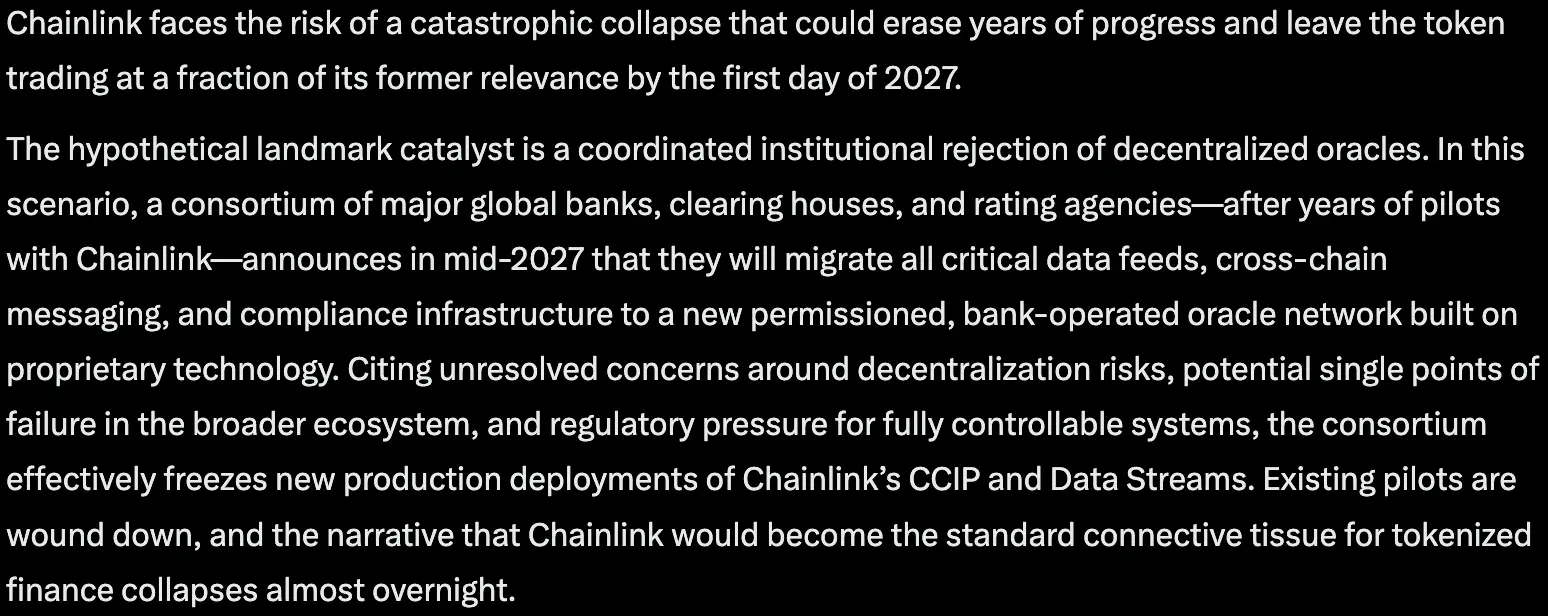 Claude AI Forecasts Chainlink Plunge in 2027
 XRP Crashes to $0.87 as ETF Assets Fall Below $1 Billion
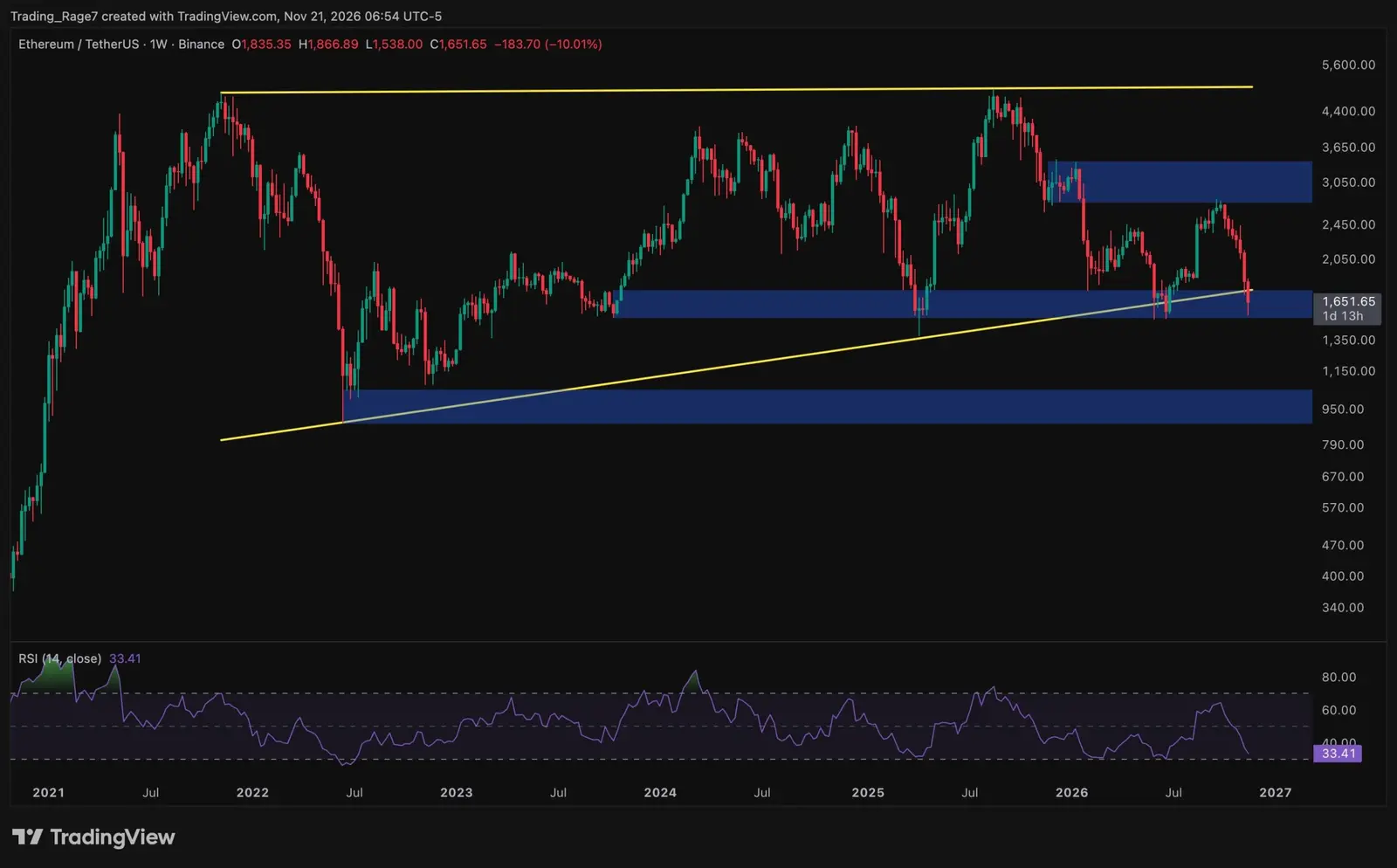 Ethereum price analysis: Did ETH hit its macro bottom after a 30% monthly drop?
The speed of this expansion catches many investors off guard. What was once a conference-panel promise is now a tangible market reality. Institutional players are driving this momentum.
Despite the headline figure, a significant portion of these assets sit idle as mere ownership records. They do not actively trade or generate yield. This creates a gap between market value and actual utility.
Is the $400 Billion Figure Sustainable?
The XRP Ledger has carved out an institutional niche in this space. It provides a structured environment for these assets. This infrastructure supports the next phase of adoption.
Sustainability depends on converting idle assets into active instruments. If institutions continue to onboard, the market could expand further. However, without active use cases, the valuation may be inflated.
Analysts note that the current growth is heavily dependent on a few large institutional players. Broader retail participation could stabilize the market. The key question is whether utility will catch up with valuation.
Frequently Asked Questions
What is tokenization? Tokenization converts real-world assets into digital tokens on a blockchain. This process allows for fractional ownership and easier trading.
Why are most assets idle? Many tokens represent ownership records without active trading or yield generation. They sit dormant until a market or use case activates them.
How did the market reach $400 billion so quickly? Institutional adoption accelerated the pace. Large firms entered the space, driving rapid capital inflows over 18 months.