How the implants worked
Trezor has dramatically reduced its authorized reseller network by approximately 80 percent. The decision followed the discovery of physical hardware implants inside three Safe 5 wallets. These compromised devices were purchased from a former reseller called CryptoBilis. The company also pushed out a firmware update to address the security gap.
Breaking news
 Bitcoin Miners Face Hardware Shortage as AI Boom Strains Chip Supply
 Claude AI Forecasts Chainlink Plunge in 2027
 XRP Crashes to $0.87 as ETF Assets Fall Below $1 Billion
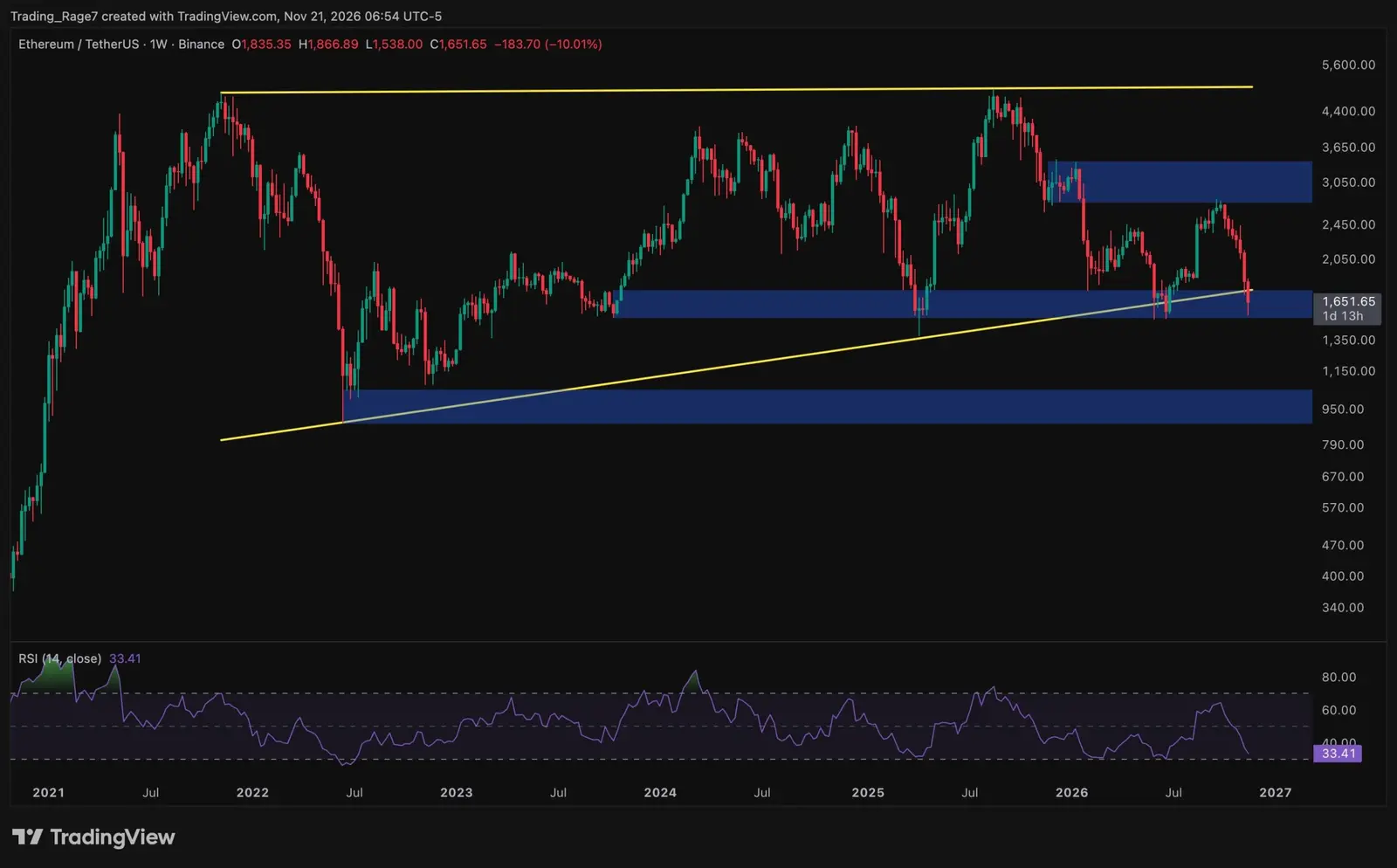 Ethereum price analysis: Did ETH hit its macro bottom after a 30% monthly drop?
The implants were found in Safe 5 hardware wallets, which are premium devices designed to protect private keys offline. CryptoBilis was removed from the reseller list after the incident. Trezor identified the tampering through routine quality checks. The implants allowed an attacker to intercept seed phrases or private keys during the setup process.
The hardware implants were small electronic components soldered onto the wallet circuit board. These components could communicate with an attacker's device when the wallet was powered on. Trezor's engineering team traced the implants to a batch of devices that passed through CryptoBilis. The reseller had previously been an authorized partner before being dropped from the network.
What this means for hardware wallet security
Trezor stated that the implants were not present in the original factory units. They were added during the resale process. The firmware update adds a verification step that detects unauthorized hardware modifications. Users are advised to check their devices for physical tampering.
The incident highlights a critical vulnerability in the hardware wallet supply chain. Even trusted brands can be compromised if resellers alter devices after manufacture. Trezor's 80 percent cut to the reseller network is a defensive measure to reduce attack surface. The company now requires stricter verification of remaining resellers.
For users, the lesson is clear: buy hardware wallets directly from the manufacturer or from a small number of vetted resellers. Check the device serial number against the official list. If you purchased from CryptoBilis, run the new firmware update immediately.
Frequently Asked Questions
How many wallets were affected? Three Safe 5 wallets were found with implants. All three were purchased from CryptoBilis.
What should users do now? Update firmware to the latest version. Physically inspect the device for added components. If you bought from CryptoBilis, contact Trezor support for a replacement.
Will Trezor continue selling directly? Yes. The company is shifting more sales to its own direct channels. The remaining resellers must pass enhanced security audits before listing devices.