How the Scam Operates and Why It Targets Wallet Users
A fraudulent website posing as a cryptocurrency payment card provider has been identified by Trust Wallet’s security team. The site, which promises unusually high rewards and low fees, is luring users to link their digital wallets. Trust Wallet issued a warning on October 28, 2026, urging customers to avoid the platform and to disconnect any wallets already linked.
Breaking news
 Dogecoin Bounces Back After Brutal 65% Year-Long Slide
 Bitcoin Miners Face Hardware Shortage as AI Boom Strains Chip Supply
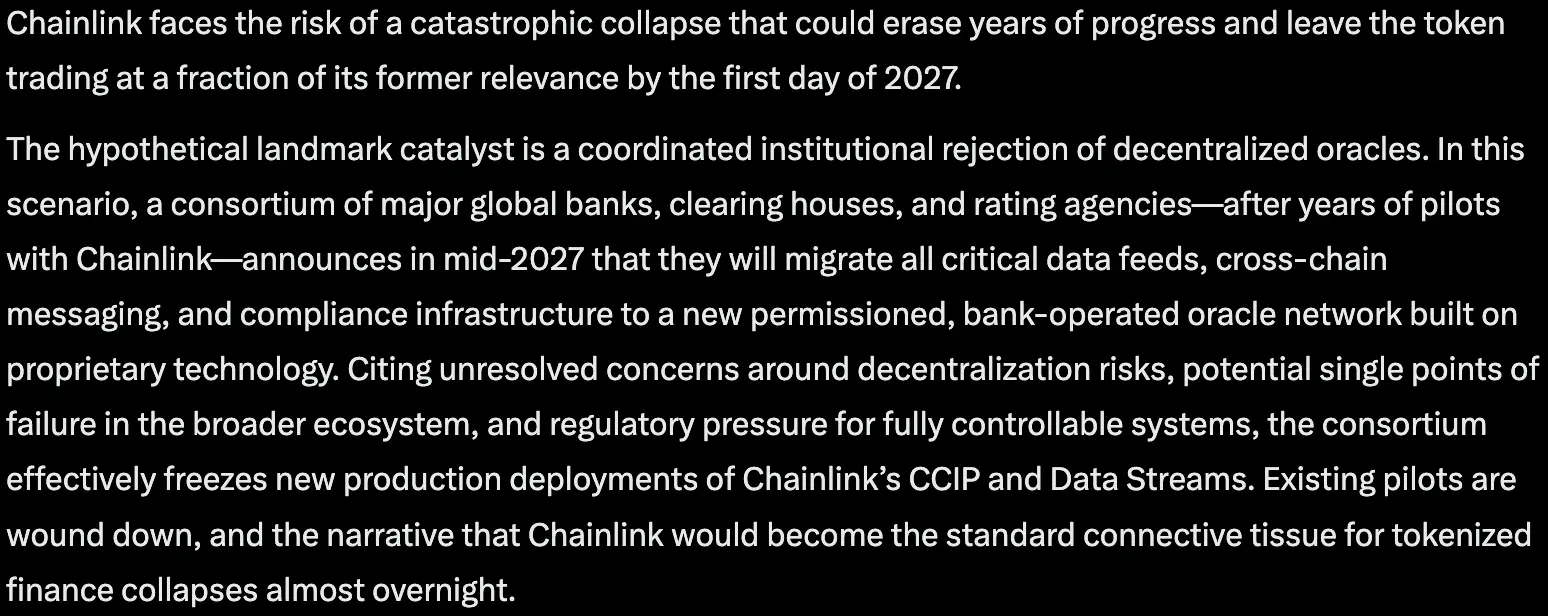 Claude AI Forecasts Chainlink Plunge in 2027
 XRP Crashes to $0.87 as ETF Assets Fall Below $1 Billion
The fake portal mimics the look of legitimate crypto services, displaying glossy graphics and testimonials that appear authentic. Security analysts say the scammers aim to harvest private keys and gain unauthorized access to users’ funds. By prompting visitors to „connect” their wallets, the site can extract seed phrases or approve malicious transactions. Trust Wallet’s investigation revealed that the domain was registered only weeks ago and that the advertised card does not exist in any official partnership or press release. The team traced several complaints from users who reported lost assets after following the site’s instructions.
The fraudulent page employs social engineering tactics, such as limited‑time offers and inflated cashback percentages, to create urgency. Once a user clicks „Connect Wallet,” the site requests permission to view balances and initiate transfers. If granted, the scammers can move tokens to addresses they control. Trust Wallet’s security experts note that the scheme exploits the trust users place in wallet integrations, especially as decentralized finance grows in popularity. They also point out that the site’s design copies elements from genuine crypto card providers, making it harder for casual users to spot inconsistencies.
Could This Deception Signal a Rise in Wallet‑Phishing Attacks?
Recent trends suggest that phishing attacks targeting crypto wallets are on the rise. As more people adopt mobile wallets for everyday transactions, attackers are adapting their methods to lure users into linking wallets to fake services. Trust Wallet’s warning highlights the need for heightened vigilance. Users are advised to verify URLs, avoid unsolicited offers, and only connect wallets to reputable platforms. The company has updated its official blog with a step‑by‑step guide on recognizing phishing attempts and securing private keys.
The fallout from the scam could be significant if users continue to fall prey. Losses may amount to millions of dollars across the ecosystem, eroding confidence in decentralized finance tools. Trust Wallet plans to collaborate with other wallet providers and industry groups to share threat intelligence and develop stronger authentication standards. In the meantime, the company urges anyone who suspects they have interacted with the fraudulent site to report the incident immediately and to monitor their accounts for unauthorized activity.
Frequently Asked Questions
What should I do if I accidentally connected my wallet to the fake site? Immediately revoke the app’s permissions from your wallet settings, transfer any remaining funds to a secure address, and change any associated passwords. Report the incident to Trust Wallet’s support team.
How can I verify if a crypto card service is legitimate? Check the official website of the card issuer, look for verified social media accounts, and search for announcements from reputable news outlets. Avoid clicking links in unsolicited messages.
Are there any tools to protect my wallet from phishing attacks? Yes, use hardware wallets for large balances, enable two‑factor authentication where possible, and install browser extensions that flag known malicious sites. Regularly update your software to benefit from the latest security patches.