
Short Squeeze and Social Volume Drive the Rally
Market sentiment for Bitcoin hit its highest level in two years on September 22, 2026. The shift occurred as the leading cryptocurrency broke through the $87,300 price barrier. This move signaled a strong turn toward bullish territory for investors. Traders who previously hesitated now feel intense pressure to join the rally. The sudden spike in activity reflects a broader change in how participants view the digital asset. Social media engagement also surged alongside the price increase. This combination of factors created a perfect storm for market momentum.
Breaking news
 Strategy Buys 250 Bitcoin, Sells Shares to Fund Purchase
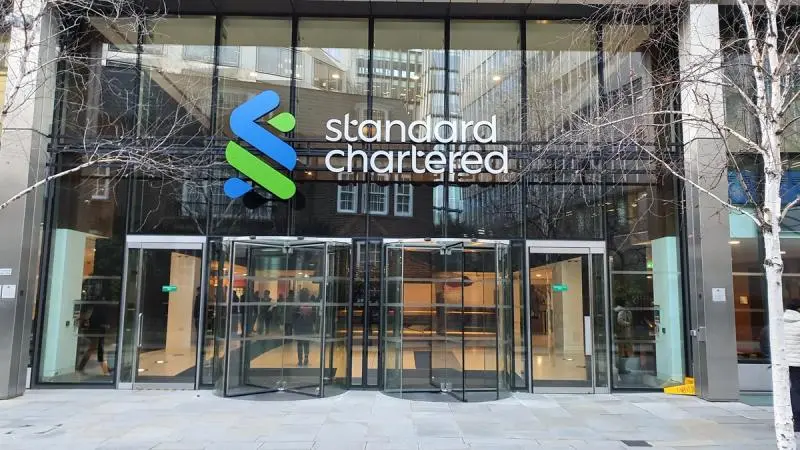 Standard Chartered Announces RLUSD Custody Services in Dubai and Explores LMAX Collateral Integration
 Hyperliquid Trader Gains $20 Million by Shorting Major Cryptos While Going Long on NEAR
 Digital Asset Oversight: EU Tightens Rules on Stablecoins and Market Conduct
The breakout was fueled by a significant short squeeze in the derivatives market. As prices climbed, traders holding short positions were forced to buy back contracts. This buying pressure accelerated the upward movement rapidly. Simultaneously, social media volume exploded as new buyers rushed to enter the market. The fear of missing out, commonly known as FOMO, became the dominant emotion. Analysts noted that this psychological shift marks a critical turning point. It suggests that retail and institutional investors are aligning their strategies. The convergence of technical and fundamental drivers pushed the asset to new highs.
The mechanics behind this price action are complex but clear. A short squeeze occurs when falling prices trigger liquidations, forcing sellers to buy. In this instance, the reverse happened. Rising prices trapped short sellers, compelling them to cover their positions. This created a feedback loop that drove prices higher. At the same time, online discussions about Bitcoin reached unprecedented levels. Users shared charts and predictions, amplifying the sense of urgency. This social proof encouraged even more participants to buy. The result was a self-reinforcing cycle of optimism and capital inflow. Market makers observed increased bid depth at key resistance levels. This indicated strong demand supporting the new price floor.
Can Sentiment Sustain the New Price Floor?
Investors are now questioning whether this euphoria can last. Historical data shows that extreme greed often precedes corrections. However, the current environment differs from previous cycles. Institutional adoption has matured, providing a stronger foundation. The two-year high in the Fear and Greed Index suggests deep conviction. Yet, volatility remains a constant factor in crypto markets. Traders must watch for signs of exhaustion in the short squeeze. If short positions are fully covered, the immediate fuel for the rally may diminish. Technical analysts are monitoring the $87,000 level closely. Holding above this mark could open the path to new all-time highs. Conversely, a drop below could trigger profit-taking among early buyers.
The immediate consequence is a redefined support zone for Bitcoin. The market now views $87,000 as a critical psychological and technical level. Future price action will likely test this boundary repeatedly. Outlook remains cautiously optimistic, provided volume sustains current levels. Investors should prepare for potential pullbacks as the market digests the gains. The shift in psychology indicates a maturing ecosystem. Participants are less reactive to minor dips and more focused on long-term trends. This stability could attract further institutional capital in the coming months. The next few weeks will determine if this rally transitions into a sustained uptrend or remains a temporary spike.
Frequently Asked Questions
Why did Bitcoin break the $87,000 level? The breakout resulted from a major short squeeze combined with a surge in social media activity. Traders forced to buy back short positions accelerated the price rise.
What does a two-year high in FOMO indicate? It signals that market participants are experiencing extreme fear of missing out. This psychological state usually correlates with strong buying pressure and bullish sentiment.
Is the rally sustainable for the long term? Sustainability depends on maintaining volume and holding the new support level. Institutional interest provides a base, but volatility remains a risk for near-term fluctuations.