Decoding the Short-Term Volatility Trap
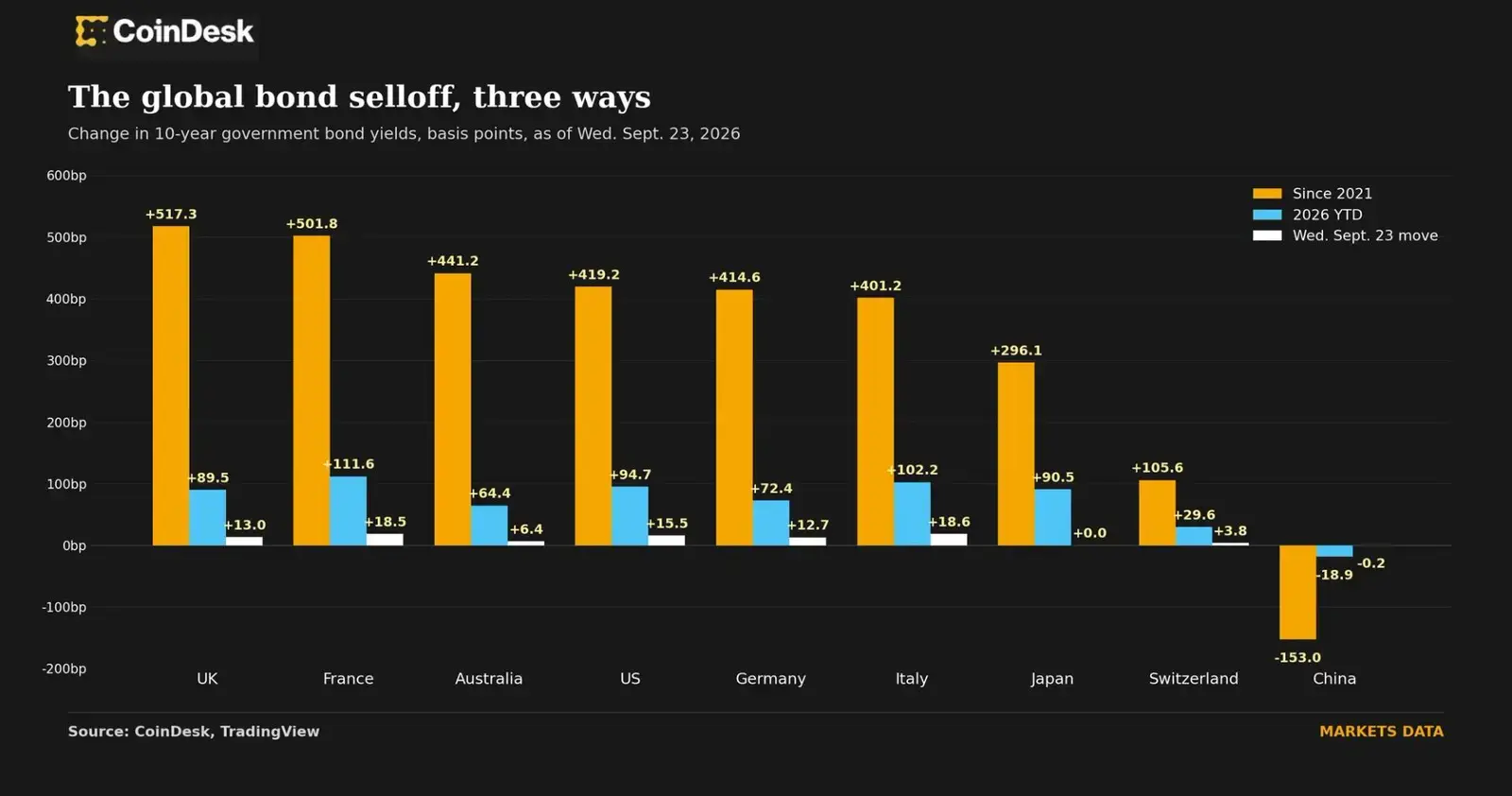
Recent financial data demonstrates that Bitcoin maintains strong independence from rising bond yields over extended periods, despite short-term market anxiety. Analysts point out that while fixed-income shifts grab headlines, the leading digital asset charts its own course across multi-year horizons, shrugging off traditional macroeconomic pressures that typically weigh on risk-on investments.
Breaking news
 Hyperliquid Trader Gains $20 Million by Shorting Major Cryptos While Going Long on NEAR
 Digital Asset Oversight: EU Tightens Rules on Stablecoins and Market Conduct
 Ethereum Foundation Cashes Out $11 Million on Kraken Amid Market Upswing
 Bitcoin Traders Brace for CPI and 4 Other Key Events This Week
Market watchers emphasize that the historic correlation between cryptocurrencies and traditional debt instruments largely breaks down when examined through a broader lens. Short-term traders often react nervously to sudden spikes in government bond yields, creating temporary turbulence across digital asset exchanges. However, long-term investors appear unfazed by these fluctuations, treating Bitcoin as an entirely separate asset class with distinct fundamental drivers and adoption cycles.
Can Digital Assets Outrun Macroeconomic Headwinds?
Surging bond volatility can easily dampen the speculative enthusiasm that frequently drives crypto prices in immediate trading windows. When macroeconomic indicators flash warning signs in the debt market, leveraged positions often face liquidation as sentiment shifts rapidly. This immediate pressure creates a false impression that digital currencies are permanently tethered to traditional fixed-income benchmarks.
Beneath the surface noise of daily trading charts, the structural demand for decentralized assets continues to mature independently. Institutional adoption and macro hedging strategies operate on timelines that stretch far beyond weekly bond auctions or central bank rate decisions. Consequently, temporary market panics driven by debt yields rarely translate into lasting trend reversals for the premier cryptocurrency.
Frequently Asked Questions
Financial experts suggest that Bitcoin's long-term trajectory is dictated by network growth and supply constraints rather than the daily performance of sovereign debt. As global monetary policies face ongoing uncertainty, investors increasingly view digital stores of value through a different analytical framework altogether.
Looking ahead, the divergence between short-term noise and long-term momentum is expected to persist as traditional finance and crypto markets further intertwine. While bond market turbulence will likely trigger recurring knee-jerk reactions, the underlying independence of digital currencies remains supported by structural market shifts.