
Crypto Mirrors Equity Volatility
Bitcoin slid to approximately $61,300 in early Friday trading. This marked the lowest level for the leading cryptocurrency since early July. The decline coincided with a sharp drop in Asian stock markets. Investors reacted with caution to broader global equity weakness. The crypto asset mirrored the risk-off sentiment seen across traditional financial sectors. Traders moved away from volatile assets during this period of heightened uncertainty.
Breaking news
 Bitcoin Miners Face Hardware Shortage as AI Boom Strains Chip Supply
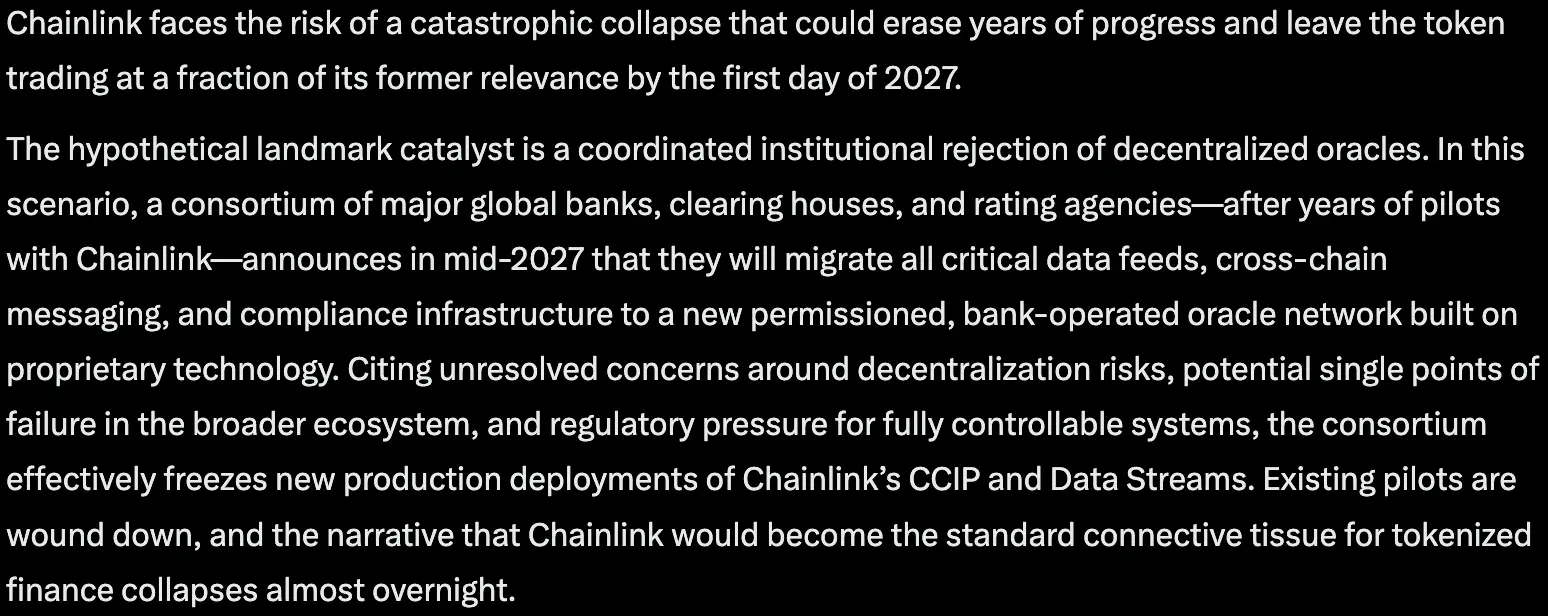 Claude AI Forecasts Chainlink Plunge in 2027
 XRP Crashes to $0.87 as ETF Assets Fall Below $1 Billion
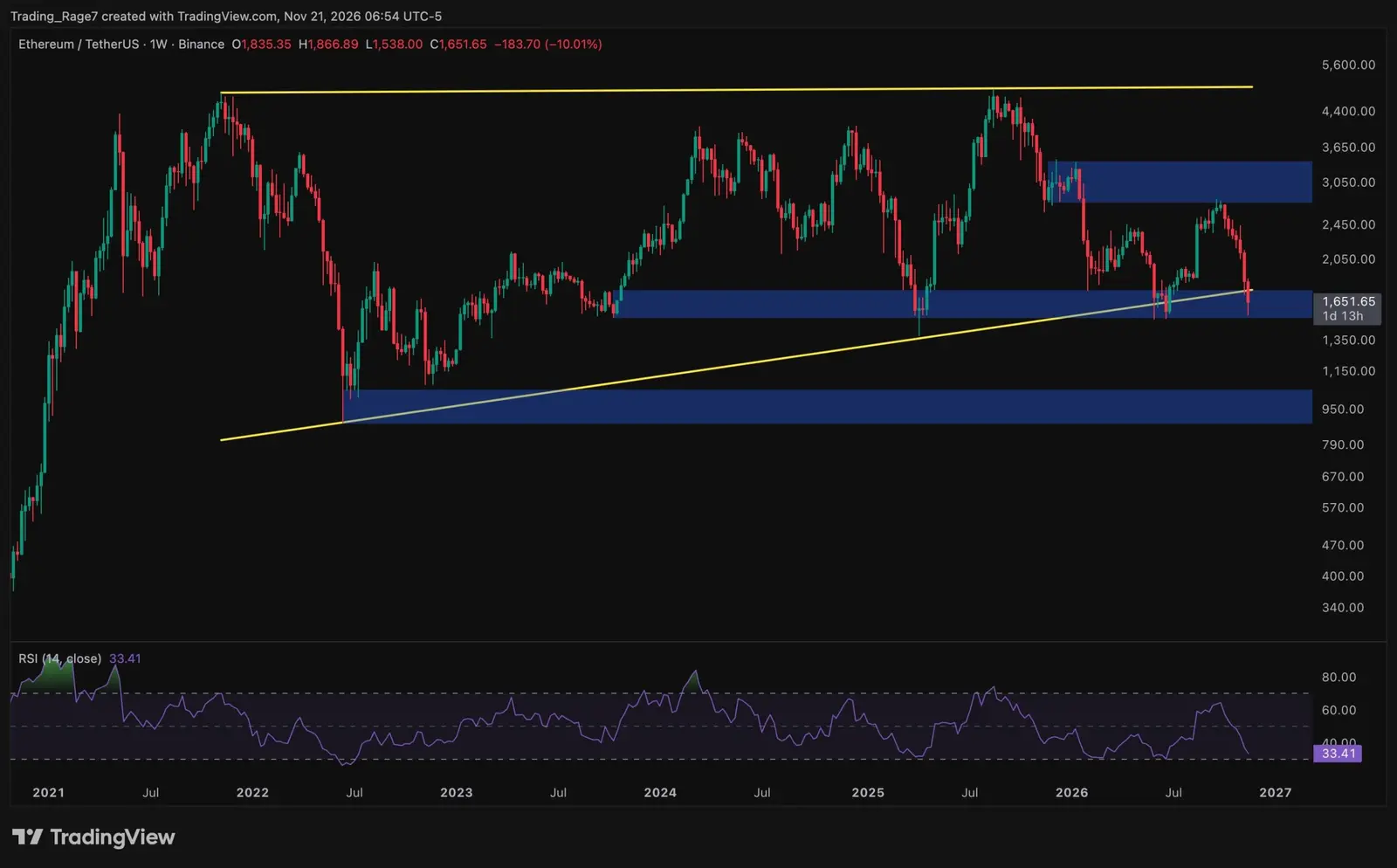 Ethereum price analysis: Did ETH hit its macro bottom after a 30% monthly drop?
The sell-off was triggered by the fading debut of the Anthropic IPO. Initial excitement for the tech firm’s public listing quickly dissipated. This disappointment sparked a wider global equity selloff. The negative momentum spread rapidly into Asian markets. South Korea’s stock exchange even halted program selling to stabilize prices. The interconnected nature of modern markets meant crypto assets did not remain isolated from the turmoil.
The correlation between Bitcoin and stock markets has grown stronger in recent years. When equities fall, Bitcoin often follows suit. This pattern was evident in the recent trading session. The Anthropic IPO failure served as a catalyst for broader market anxiety. Investors questioned the sustainability of high valuations in the tech sector. This doubt extended to other high-growth assets, including digital currencies. The drop to $61,300 represented a significant technical level for Bitcoin. Breaking below this threshold could trigger further selling pressure. Market analysts watched closely for signs of a bottom.
Will Bitcoin Recover Quickly?
The South Korean market halt highlighted the severity of the equity crash. Program trading pauses are designed to prevent cascading losses. Their deployment indicated that automated selling had become dangerous. This event underscored the fragility of current market conditions. Global investors sought safer havens during the dip. The flow of money away from risk assets was immediate and decisive. Bitcoin’s price action reflected this broader shift in investor behavior. The asset class failed to decouple from traditional finance in this instance.
The immediate outlook for Bitcoin remains uncertain. The drop to $61,300 suggests significant downside pressure. Traders now look for signs of stabilization in Asian equities. If stock markets continue to fall, Bitcoin may test lower levels. Conversely, a rebound in tech stocks could support a crypto recovery. The performance of the Anthropic IPO will be a key indicator. If the stock stabilizes, broader market confidence might return. However, the recent crash has shaken investor sentiment.
Institutional investors are likely to remain cautious. They may reduce exposure to volatile assets until clarity emerges. Retail traders might see an opportunity to buy the dip. Yet, the risk of further losses remains elevated. The next few days will be critical for determining direction. Market participants are monitoring macroeconomic data and corporate earnings. Any negative news could exacerbate the current sell-off. The crypto market must now prove its resilience against broader economic headwinds.
Frequently Asked Questions
Why did Bitcoin fall to $61,300? Bitcoin dropped due to a global equity selloff. This was triggered by the poor performance of the Anthropic IPO. Asian stock markets crashed, spreading the negativity to crypto assets.
Did South Korea halt trading? Yes, South Korea’s exchange halted program selling. This move aimed to stop a rapid decline in stock prices. It highlighted the severity of the market crash.
Is Bitcoin decoupling from stocks? No, Bitcoin currently moves in tandem with equities. The recent drop shows strong correlation with stock market performance. Investors treat it as a high-risk asset during downturns.