
Macro Shocks Meet Thin Weekend Liquidity
Bitcoin experienced a sharp decline on November 8, falling from $75,690 to $73,477 within just fifteen minutes. This rapid drop pushed the asset below the critical $74,000 threshold. The market witnessed over one billion dollars in liquidated positions during this brief window. The sell-off occurred late Sunday evening, catching many traders off guard. This movement marked the lowest price point for Bitcoin since August, signaling renewed bearish pressure on the leading cryptocurrency.
Breaking news
 Claude AI Forecasts Chainlink Plunge in 2027
 XRP Crashes to $0.87 as ETF Assets Fall Below $1 Billion
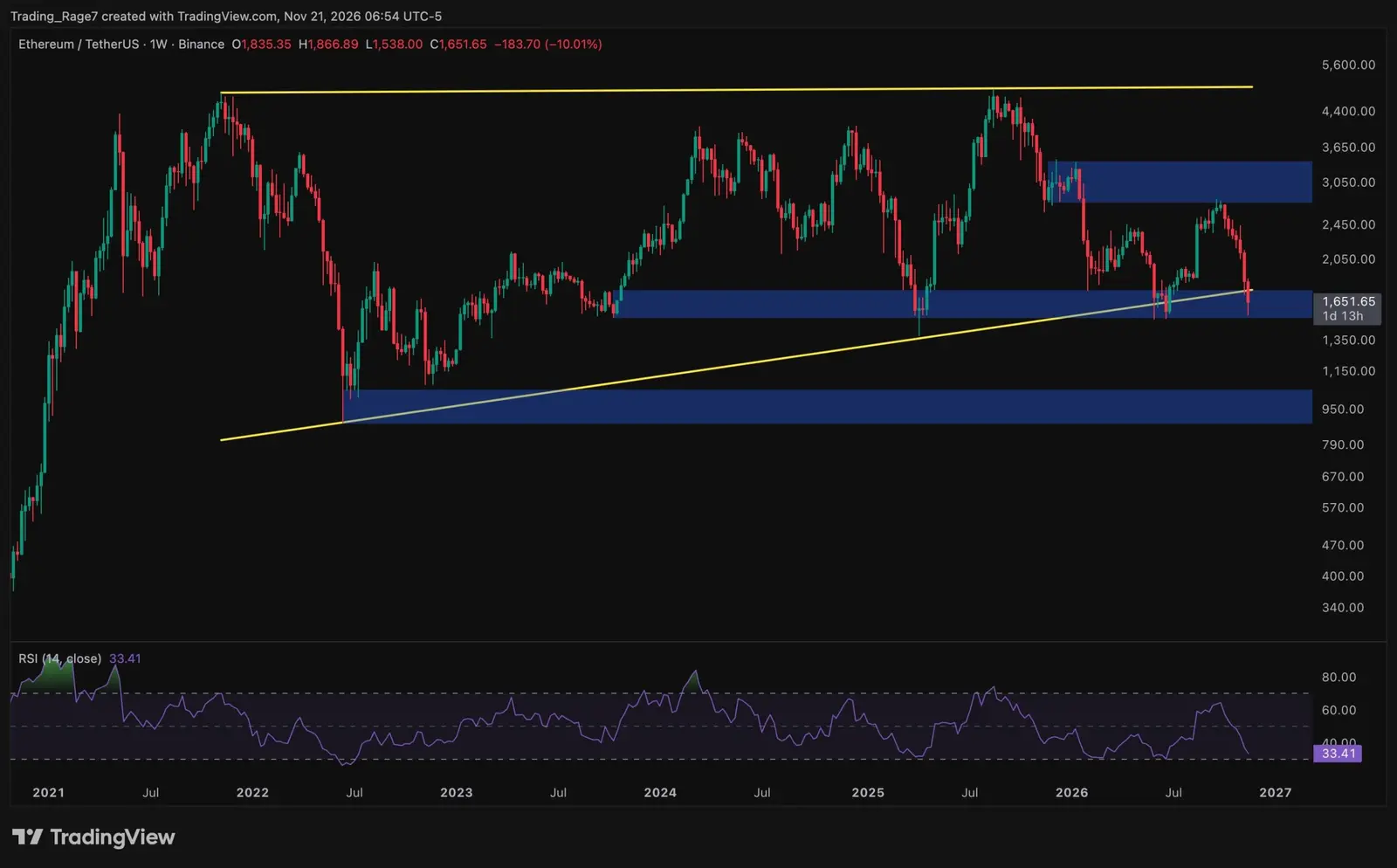 Ethereum price analysis: Did ETH hit its macro bottom after a 30% monthly drop?
 Bitcoin Reclaims $60,000 After Sharp Summer Selloff
The sudden price action was triggered by a combination of macroeconomic stressors and technical market factors. Investors reacted negatively to emerging scandals involving Nvidia, a major player in the semiconductor industry. Simultaneously, diplomatic talks between Iran and other global powers appeared to stall, adding uncertainty to the broader economic landscape. These external events collided with thin trading volumes typical of weekend markets. With fewer participants active, the order books lacked depth, allowing small trades to move prices significantly. The lack of liquidity amplified the downward momentum, forcing leveraged positions to close abruptly.
Why Did Liquidations Exceed One Billion Dollars?
The intersection of corporate news and geopolitical tension created a perfect storm for crypto assets. Nvidia’s financial disclosures raised concerns among institutional investors, prompting risk-off behavior across digital assets. At the same time, the pause in Iran negotiations removed a potential catalyst for optimism. Traders who had positioned themselves for growth found themselves squeezed as prices moved against them. The mechanism of liquidations played a crucial role in accelerating the decline. When spot prices drop, long positions are forced to sell to cover their losses. This selling pressure drives prices lower, triggering more liquidations in a cascading effect. Over a billion dollars in contracts were unwound during this event, reflecting the intensity of the market reaction.
The sheer volume of liquidated positions highlights the high leverage used by traders in recent weeks. Many participants anticipated a breakout above resistance levels, only to see the price reverse sharply. As Bitcoin breached key support zones, stop-loss orders and automatic liquidation triggers activated en masse. The speed of the drop prevented many traders from manually exiting their positions. Consequently, automated systems executed the sales, contributing to the massive total. This event serves as a reminder of the risks associated with high-leverage trading in volatile markets. The concentration of positions at specific price levels made the downside particularly severe.
The immediate aftermath of the crash has left the market in a state of caution. Analysts are now watching the $73,000 level closely, as it represents a significant psychological barrier. If Bitcoin holds this floor, a recovery could begin in the coming days. However, a break below this level might open the door for further declines toward previous lows. Traders are advised to monitor upcoming economic data releases that could provide new direction. The interplay between traditional finance news and crypto markets remains a defining characteristic of the current cycle. Understanding these cross-market dynamics is essential for navigating future volatility spikes.
Frequently Asked Questions
Why did Bitcoin drop so quickly on Sunday? Thin weekend trading volumes combined with negative news regarding Nvidia and Iran talks caused a rapid sell-off. Low liquidity allowed a small number of large trades to push the price down significantly in minutes.
What does a billion-dollar liquidation mean for traders? It indicates that over one billion dollars in leveraged positions were forcibly closed by exchanges. This usually happens when prices move sharply against open positions, triggering automatic margin calls and subsequent sales.