
Why Did Longs Dominate the Liquidations?
Cardano (ADA) traders are facing a severe liquidation imbalance of 5747% during a recent market selloff. This extreme figure indicates that long positions were liquidated at a much higher rate than short positions. The data comes from liquidation heatmaps tracking open interest across major exchanges.
Breaking news
 Dogecoin Co-Founder Identifies Weak Demand as Catalyst for Crypto Market Slump
 Dogecoin Bounces Back After Brutal 65% Year-Long Slide
 Bitcoin Miners Face Hardware Shortage as AI Boom Strains Chip Supply
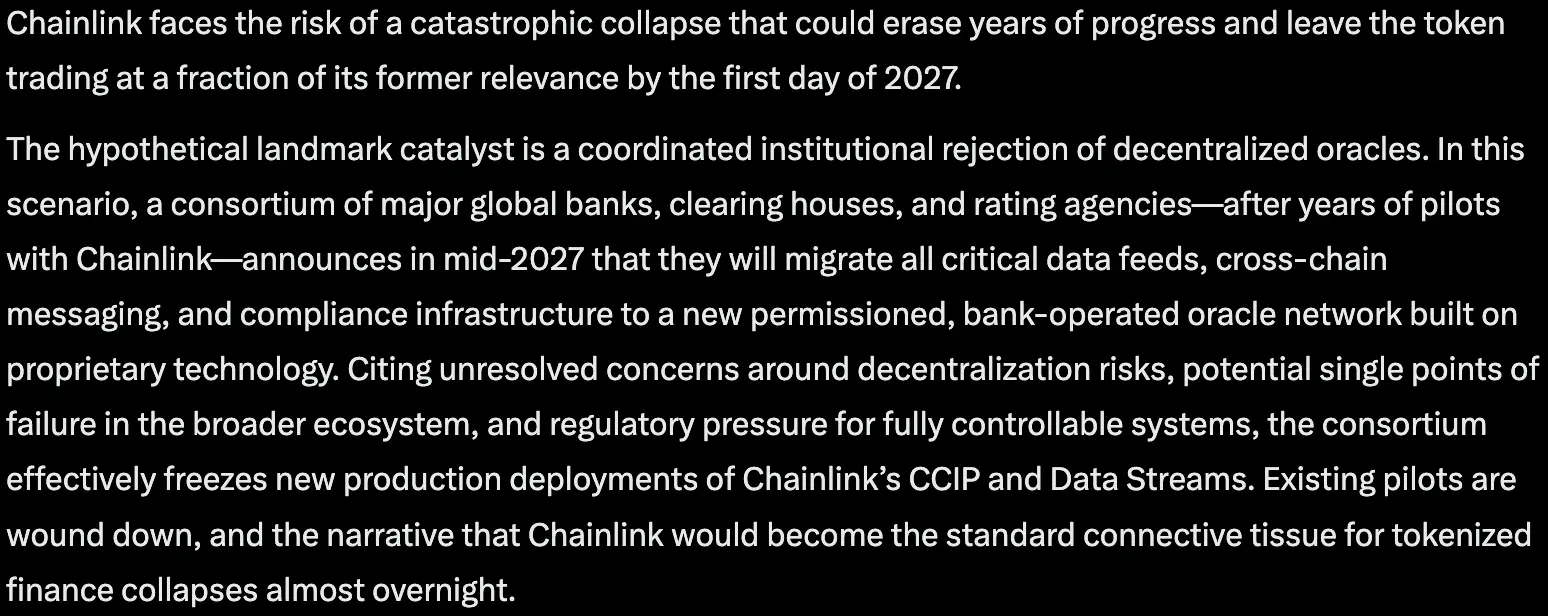 Claude AI Forecasts Chainlink Plunge in 2027
The imbalance reveals that bulls were caught off guard by the sudden price drop. Long traders holding ADA saw their positions forcibly closed, amplifying the downward pressure. This dynamic is common in crypto markets, where leverage magnifies both gains and losses.
The high liquidation imbalance points to a crowded trade where too many traders were positioned long on ADA. When price fell below key support levels, stop-loss orders triggered in rapid succession. This cascade effect pushed the price lower, liquidating even more long positions. Short sellers, by contrast, remained relatively unscathed.
What Does This Mean for ADA Traders?
The 5747% figure is not just a number; it reflects a structural vulnerability in the market. When a large cohort of traders all bet the same direction, the market becomes fragile. A small price move can wipe out a significant portion of open interest.
This liquidation event highlights the risks of leveraged trading in volatile assets. Traders should monitor open interest and liquidation data to gauge market sentiment. A high imbalance often precedes further volatility, as the market digests the forced selling.
Looking ahead, the aftermath of such liquidations typically brings a period of consolidation. Traders who survived the selloff may look for new entry points. The key takeaway is that leverage cuts both ways, and the market punishes crowded positions harshly.
Frequently Asked Questions
What caused the 5747% liquidation imbalance? A sudden market selloff triggered a cascade of long liquidations. Too many traders were positioned in the same direction, making the market fragile.
Should traders avoid leverage after this event? Not necessarily, but they should use tighter risk management. Monitoring liquidation heatmaps can help identify crowded trades before they become dangerous.
Will ADA recover from this liquidation wave? Historically, crypto markets recover from liquidation cascades. However, the path to recovery depends on new buying interest and broader market conditions.