Risk-Based Regulation Over Tech-Specific Mandates
The Cardano Foundation has formally requested that the European Union refrain from extending its current MiCA regulations to decentralized finance and staking mechanisms. This intervention targets the ongoing legislative review process within the EU. The organization argues that existing frameworks are sufficient for most crypto activities. It warns that new standalone laws could disrupt market stability. The foundation emphasizes a need for clarity before further expansion occurs.
Breaking news
 Bitcoin Miners Face Hardware Shortage as AI Boom Strains Chip Supply
 Claude AI Forecasts Chainlink Plunge in 2027
 XRP Crashes to $0.87 as ETF Assets Fall Below $1 Billion
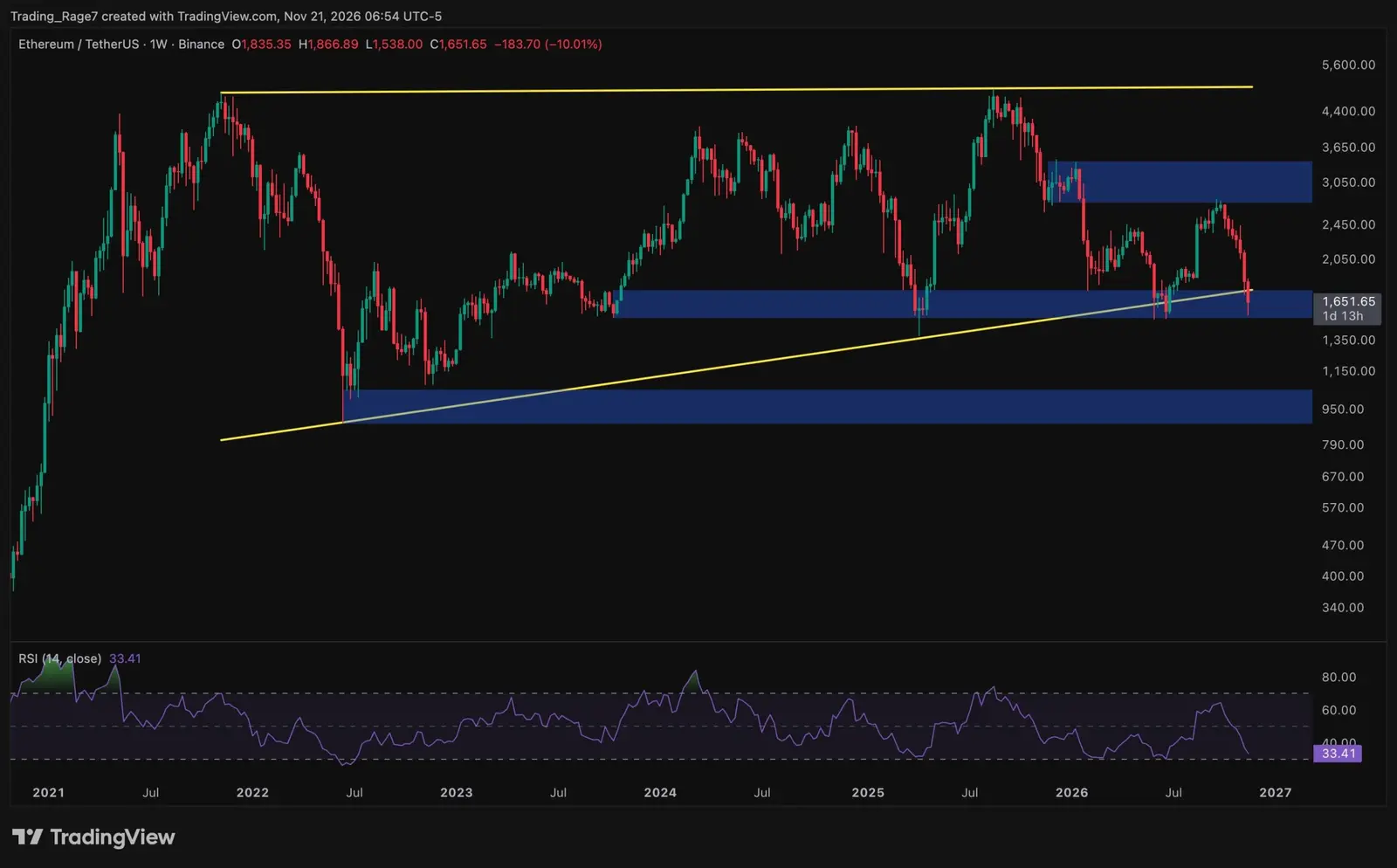 Ethereum price analysis: Did ETH hit its macro bottom after a 30% monthly drop?
The core of the argument centers on how regulators define risk. The Cardano Foundation advocates for a risk-based approach rather than a technology-based one. They believe that financial risks should dictate the level of regulatory oversight. By focusing on the underlying economic activity, regulators can avoid unnecessary complexity. This method ensures that only high-risk sectors face stricter compliance burdens. Such an approach prevents the blanket application of rules to all digital assets.
Will New Rules Stall Innovation?
The foundation highlights that defining regulations by technology type creates confusion. For instance, labeling all staking as a banking service may be inaccurate. Staking often functions differently from traditional interest-bearing accounts. Similarly, decentralized finance protocols operate without central intermediaries. Applying bank-like rules to these systems may hinder innovation. The foundation suggests that if the financial risk is low, the regulatory burden should remain light. This preserves the competitive edge of European crypto firms. Investors also benefit from reduced administrative costs. Clear guidelines help developers build compliant products faster.
Current MiCA rules already cover many aspects of the crypto industry. These include stablecoin issuers and crypto-asset service providers. Extending these rules to DeFi and staking would fill significant gaps. However, the Cardano Foundation fears overlap between different legal instruments. Overlapping jurisdictions can lead to conflicting interpretations. Businesses operating across multiple EU countries face this challenge daily. Uncertainty slows down investment and project launches. The foundation calls for a single, coherent framework. This would replace fragmented national laws with unified EU standards.
Critics of the expansion argue that it stifles growth. DeFi protocols are largely non-custodial and borderless. Imposing strict entity-based rules on code is difficult. Staking rewards are generated through network participation, not lending. Treating them like loans requires complex accounting standards. The Cardano Foundation notes that many stakeholders support the status quo. They believe the current rules are adequate for the mature parts of the market. New rules should target specific vulnerabilities, not entire sectors. This targeted approach minimizes disruption. It allows the industry to evolve organically.
Frequently Asked Questions
The outcome of this debate will shape the future of European digital finance. If the EU proceeds with expansion, compliance costs will rise significantly. Smaller startups might struggle to meet new requirements. Larger institutions may gain a competitive advantage. Conversely, a lighter touch could attract global talent to Europe. The final decision rests with EU legislators reviewing the MiCA framework. Stakeholders continue to lobby for their preferred models. The next few months will reveal the direction of travel. Clarity is essential for long-term market confidence.
Does MiCA currently cover staking? No, the initial MiCA framework does not explicitly regulate staking services or decentralized finance protocols. These areas are subject to potential future amendments under review. Why does the Cardano Foundation oppose tech-based rules? The foundation believes that regulating based on technology type creates unnecessary complexity. They prefer a model where oversight depends on the actual financial risk involved.