A Regulatory Turning Point for Digital Assets
The U. S. Commodity Futures Trading Commission approved exchange and clearinghouse applications for blockchain-based derivatives market infrastructure. Chairman Michael Selig announced the decision on November 16, 2024. This marks a historic shift for blockchain in traditional finance.
Breaking news
 Bitcoin Miners Face Hardware Shortage as AI Boom Strains Chip Supply
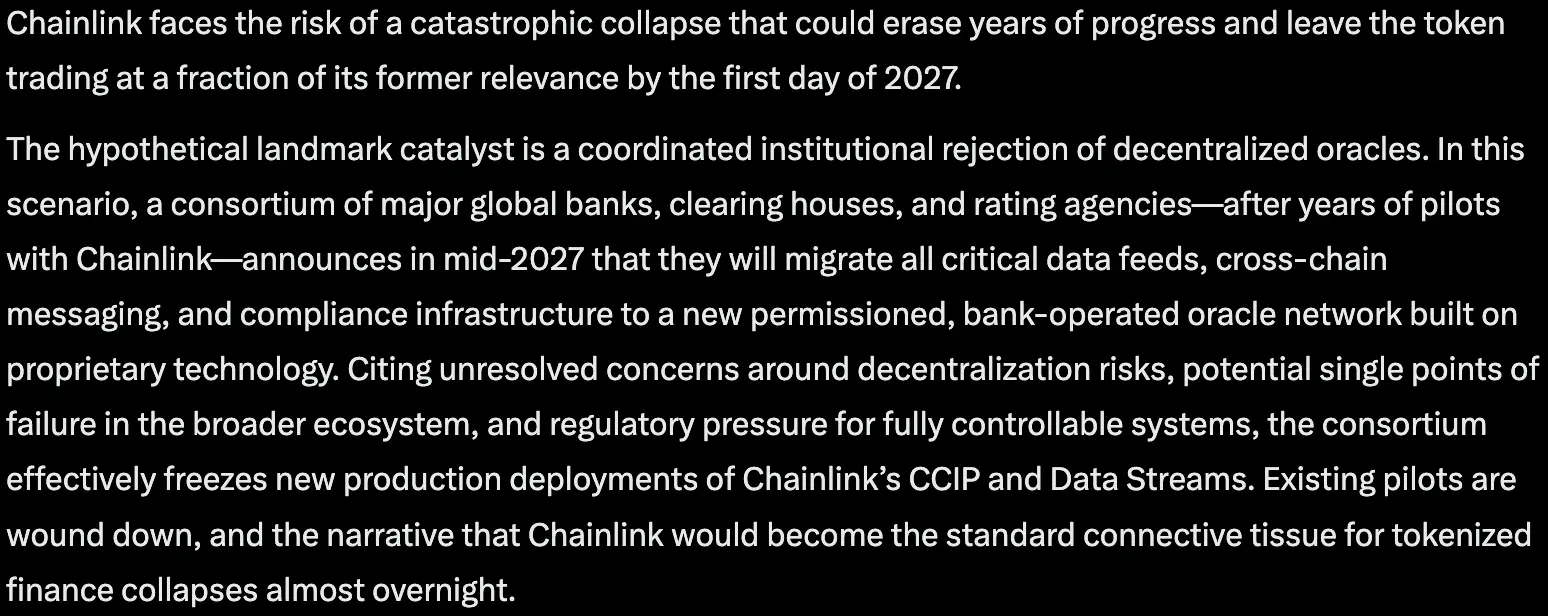 Claude AI Forecasts Chainlink Plunge in 2027
 XRP Crashes to $0.87 as ETF Assets Fall Below $1 Billion
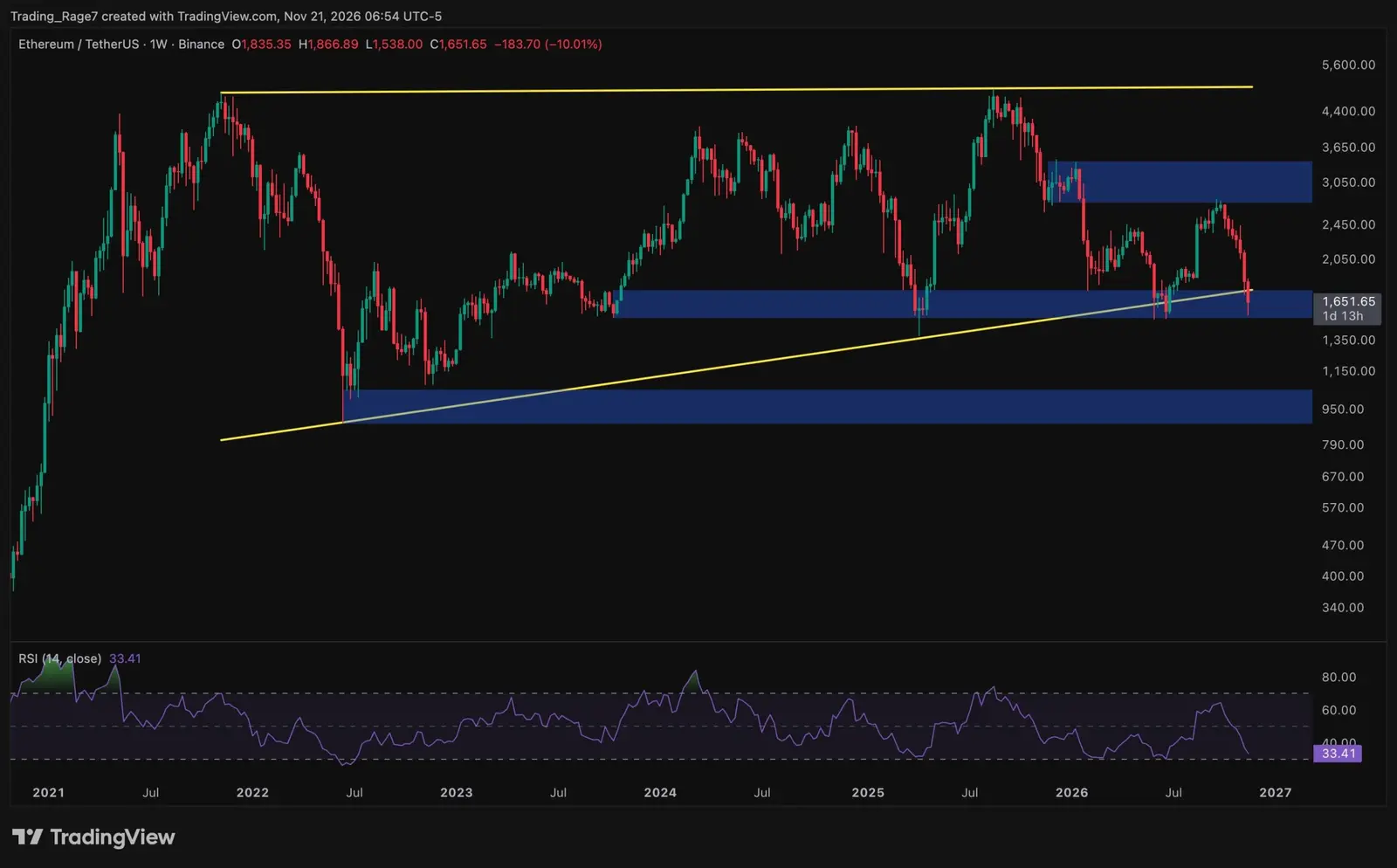 Ethereum price analysis: Did ETH hit its macro bottom after a 30% monthly drop?
The approval allows regulated blockchain platforms to operate as derivatives exchanges and clearinghouses. The move signals that regulators now view distributed ledger technology as a viable foundation for trading markets. It bridges the gap between decentralized finance and established financial institutions.
The CFTC's decision removes a major barrier for blockchain firms seeking to offer derivatives products. Previously, companies had to navigate complex approval processes. Now, the commission has created a clearer path to market entry. This encourages innovation in tokenized financial products.
What Does This Mean for Traders and Investors?
Industry analysts note that the approval could accelerate the tokenization of traditional assets. Companies can now build compliant platforms for trading digital derivatives. The move also sets a precedent for how regulators will treat emerging technology in financial markets.
For traders, the approval opens access to blockchain-based derivatives markets. Investors gain new venues for hedging and speculation. The infrastructure supports 24/7 trading, unlike traditional exchanges with fixed hours. This flexibility appeals to digital asset participants accustomed to round-the-clock markets.
The CFTC emphasized that the approved platforms must meet strict regulatory standards. This ensures investor protection while fostering innovation. The commission will monitor these markets closely.
Frequently Asked Questions
Will this approval lead to more blockchain exchanges? Yes, the decision lowers entry barriers for new platforms. More firms are expected to apply for similar licenses.
Can retail investors trade on these blockchain derivatives markets? The approved infrastructure is designed for institutional and retail participants. Access depends on the specific platform's onboarding requirements.
Does this mean the CFTC fully supports blockchain in finance? The approval signals strong regulatory support. It does not guarantee every blockchain proposal will be accepted, but it sets a positive precedent for future applications.