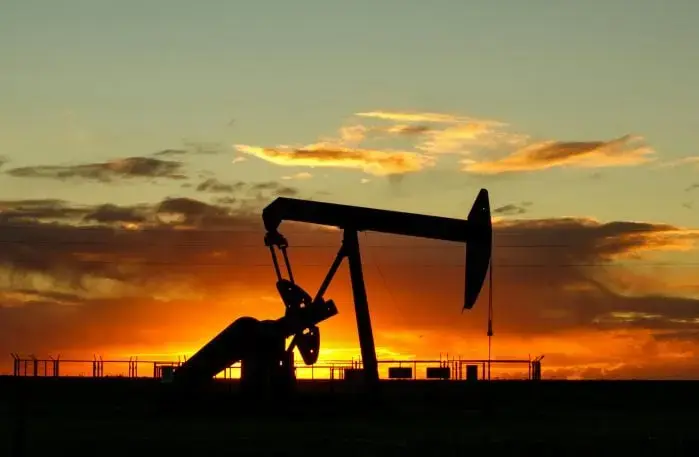
China’s diesel drive fuels a surge in crude demand
European diesel imports have slumped this quarter as shipments from the Middle East and Russia dwindle, while China ramps up crude purchases to sustain its diesel output. Analysts warn that the tightening supply could lift crude benchmarks in the coming months.
Breaking news
 South Korea Blocks Access to 27 Unregistered Foreign Crypto Exchanges
 Market Trends for Shiba Inu, Zcash, Stellar, and Solana
 South Korea Tests Bitcoin‑Backed Loans at Jeonbuk Bank
 DoubleZero Expands Edge to Include Binance Spot and Futures Data
The shortage stems from geopolitical tensions that have curtailed shipments from key exporters. Sanctions on Russian fuel and logistical bottlenecks in Gulf ports have reduced the flow of diesel to Europe. At the same time, China’s refineries, eager to meet domestic diesel demand, are increasing their crude intake, adding further pressure on global oil markets. Prices for diesel in Europe remain high, reflecting the strained supply chain.
Chinese refiners have announced plans to boost diesel production by expanding capacity at several coastal plants. To feed the new capacity, they are securing larger volumes of crude oil, primarily from the Middle East and Africa. „China’s appetite for crude is reshaping the market dynamics,” said a senior analyst at an energy consultancy. The country’s imports of light crude have risen by roughly 8 percent compared with the same period last year. This extra demand coincides with a drop in European diesel imports, which fell by nearly 15 percent in the last six weeks. The combined effect pushes the benchmark Brent crude price toward record levels.
Will rising crude prices tighten global energy markets?
Higher crude costs could ripple through the broader energy sector, raising fuel prices for transport and industry. Shipping companies that rely on diesel may face increased operating expenses, prompting some to explore alternative fuels or adjust freight rates. Energy‑intensive manufacturers could see margins squeezed if they cannot pass on higher fuel costs to consumers. Moreover, countries that depend heavily on diesel imports might reconsider their energy strategies, accelerating moves toward renewable sources or domestic refining. The market’s response will hinge on how quickly supply constraints ease and whether new production can offset the growing demand.
The diesel shortfall highlights the interconnectedness of regional supply disruptions and global oil pricing. If current trends persist, crude prices may breach historic highs, prompting policymakers to reassess fuel subsidies and strategic reserves. Market participants are watching inventory levels closely, hoping that upcoming shipments from the Gulf and potential sanctions relief could restore balance. In the meantime, the energy landscape remains volatile, with price volatility likely to influence economic forecasts worldwide.
Frequently Asked Questions
Why are European diesel imports falling? Imports have dropped due to sanctions on Russian fuel and logistical challenges at Gulf ports, limiting the flow of diesel to Europe.
How is China increasing its crude intake? Chinese refineries are signing new contracts with Middle Eastern and African exporters, boosting imports of light crude to support expanded diesel production.
What could happen if crude prices keep rising? Sustained price hikes may raise transportation costs, pressure industrial profit margins, and accelerate shifts toward alternative energy sources or domestic refining capacities.