Prioritizing At-Risk Loans for Capital Recovery
Lido has outlined a new exit strategy for its Lend product that relies on tapping borrower collateral. This mechanism aims to facilitate withdrawals without requiring immediate liquidity from the protocol itself. The plan targets positions that are closest to liquidation thresholds. By reducing the debt of these specific borrowers, the system creates room for lenders to exit their positions smoothly.
Breaking news
 Dogecoin Bounces Back After Brutal 65% Year-Long Slide
 Bitcoin Miners Face Hardware Shortage as AI Boom Strains Chip Supply
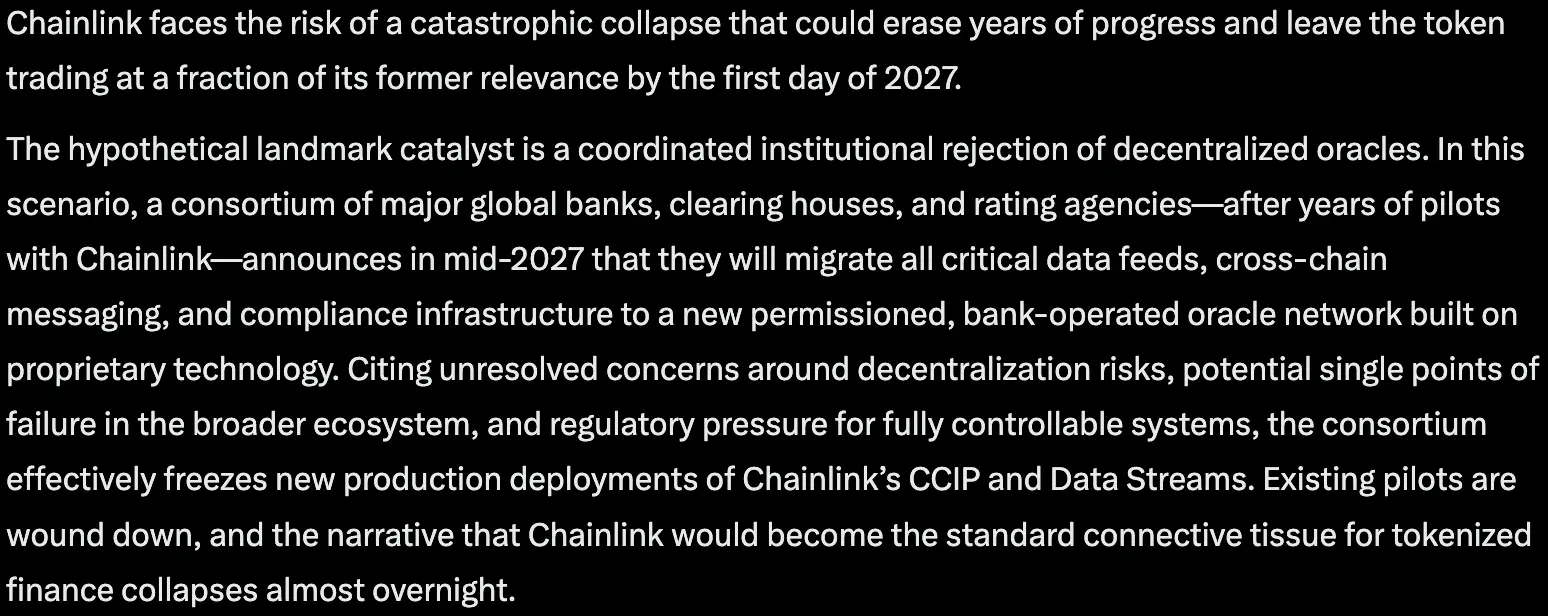 Claude AI Forecasts Chainlink Plunge in 2027
 XRP Crashes to $0.87 as ETF Assets Fall Below $1 Billion
The proposal focuses on optimizing capital efficiency within the decentralized lending framework. It addresses a critical pain point where users often struggle to withdraw assets promptly. The core logic involves selecting loans that are under significant stress. These positions offer the highest potential for recovery if partially unwound. The approach ensures that the protocol maintains stability while allowing users to access their funds.
The selection process identifies positions nearest to their liquidation points first. These are loans where the collateral value is dangerously close to covering the outstanding debt. The system will tap into this collateral to generate the necessary funds for withdrawal requests. Simultaneously, the debt associated with these specific loans gets reduced. This dual action helps preserve the health of the broader loan portfolio. It prevents a sudden cascade of liquidations that could destabilize the market. By targeting vulnerable positions, the protocol minimizes disruption to healthier loans. This method provides a structured way to manage liquidity events. It balances the needs of exiting lenders with the obligations of active borrowers. The process is designed to be automated and transparent.
How Will Healthy Loans Fit Into This Framework?
However, key operational details remain undefined in the current documentation. The eligibility criteria for healthy loans are not yet specified. It is unclear how these stable positions will interact with the exit flow. Furthermore, the precise route for lenders to convert their holdings back into ETH is unknown. This gap leaves investors wondering about the final settlement mechanics. The protocol must clarify how value transfers occur during this process. Without clear guidelines, participants may face uncertainty during high-volume exit periods. The team needs to publish detailed technical specifications soon.
The current proposal lacks clarity regarding non-stressed loans. Healthy loans typically have strong collateral ratios and low default risk. Their inclusion or exclusion from the exit pool remains a mystery. If healthy loans are eligible, the algorithm must weigh multiple factors. These might include interest rates, remaining terms, and borrower credit scores. Conversely, if they are excluded, the system relies solely on at-risk positions. This limitation could constrain the total amount of capital available for withdrawals. A restricted pool might lead to slower processing times during peak demand. The developers must define these boundaries to ensure fair treatment of all users. Transparency here is crucial for building trust in the Lend ecosystem.
Frequently Asked Questions
Which loans are selected for collateral tapping? Positions nearest to liquidation are prioritized. These loans have collateral values close to their debt levels. Selecting them allows the protocol to recover funds efficiently while reducing overall risk exposure.
Does this plan affect healthy loans? The eligibility of healthy loans remains unspecified in the current proposal. Developers have not yet defined how stable positions interact with the exit mechanism. Future updates should clarify whether these loans can also contribute to withdrawal liquidity.
How do lenders receive their funds? The exact route for converting exited assets back to ETH is currently undefined. The protocol has not detailed the final settlement steps. Users should expect further technical documentation to outline this conversion process clearly.