
Institutional Capital Flows Into Bitcoin Funds
Barclays and Citi have significantly increased their positions in major Bitcoin exchange-traded funds. These moves signal a shift in institutional strategy.
Breaking news
 Bitcoin Miners Face Hardware Shortage as AI Boom Strains Chip Supply
 Claude AI Forecasts Chainlink Plunge in 2027
 XRP Crashes to $0.87 as ETF Assets Fall Below $1 Billion
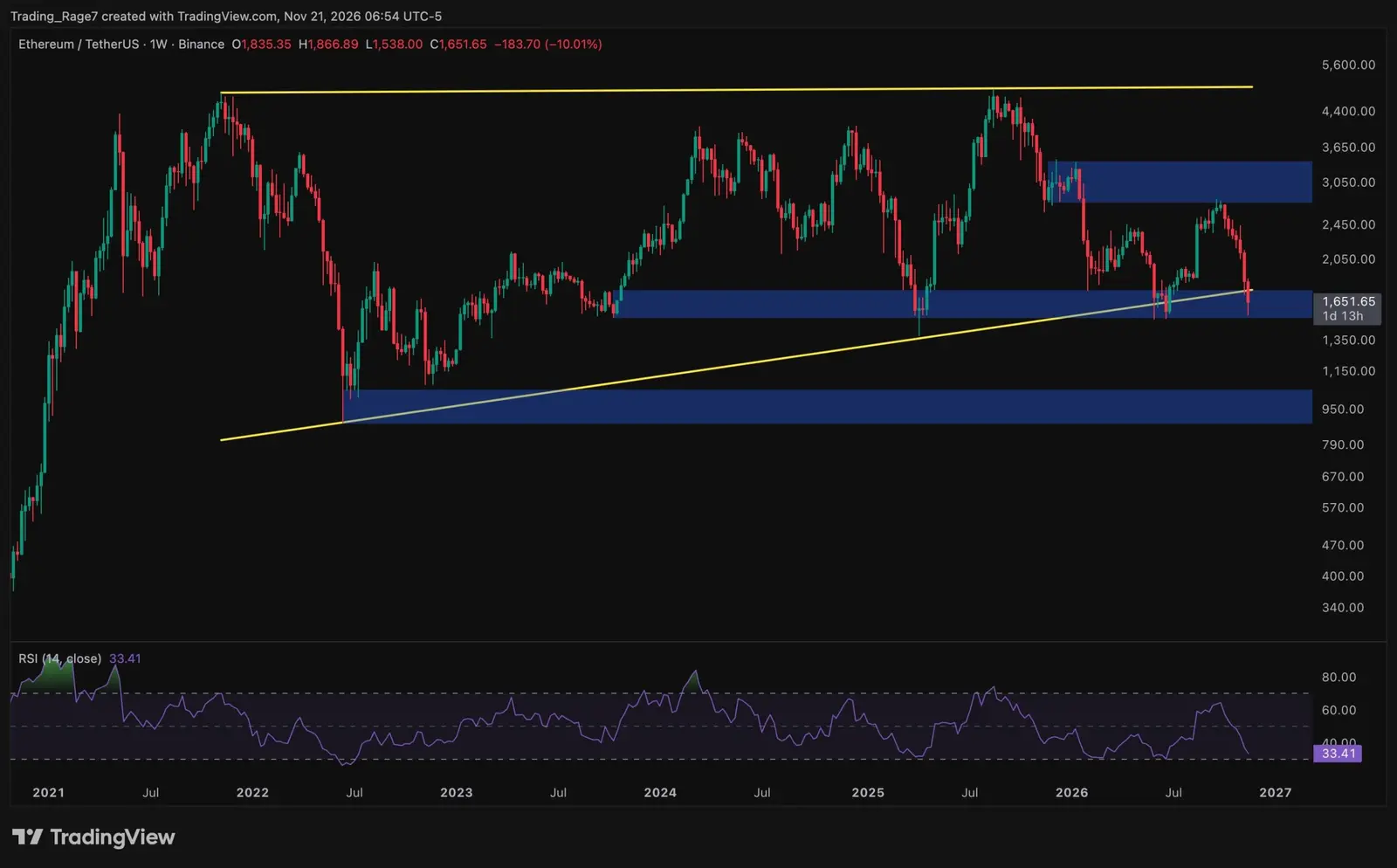 Ethereum price analysis: Did ETH hit its macro bottom after a 30% monthly drop?
The two financial giants are deepening their involvement in digital asset products. This trend reflects growing confidence in the asset class.
Barclays now holds approximately 3.94 million shares of BlackRock’s IBIT. This represents a 48% increase in their stake. The total value approaches $187 million.
Citi added $119 million in Fidelity’s FBTC. This new position was reported as of September 30. Both banks are following a broader pattern of institutional adoption.
Why Are Banks Buying Bitcoin ETFs?
The increase in holdings suggests these institutions view Bitcoin as a core portfolio component. They are not merely experimenting. They are committing capital.
Banks are seeking yield and diversification. Bitcoin ETFs offer exposure without direct custody risks. This structure fits traditional risk management frameworks.
Regulatory clarity has improved. The SEC’s approval of spot Bitcoin ETFs removed a major barrier. Banks can now allocate with greater confidence.
Frequently Asked Questions
Market analysts note that this institutional inflow supports price stability. Large buyers reduce volatility compared to retail-driven markets.
How much did Barclays increase its IBIT stake? Barclays raised its holdings by 48%. The new position values approximately $187 million. This reflects a strategic reallocation of capital.
What is the total Citi investment in FBTC? Citi added $119 million to its Fidelity Bitcoin ETF position. This was reported as of September 30. The move aligns with broader institutional trends.
Will bank adoption affect Bitcoin prices? Yes. Institutional buying typically provides price support. Large capital inflows reduce sell pressure. This stabilizes the market over time.