
Inventory Growth Dampens Price Volatility
Oil prices dropped this week after reports showed a significant rise in United States crude inventories. The American Petroleum Institute confirmed a build-up of 5.28 million barrels for the week ending November 13. This unexpected surplus has temporarily eased global anxieties regarding potential supply shortages and market instability.
Breaking news
 Bitcoin ETFs Shed $570M as Blackrock Sees $1.6B in Three-Day Exodus
 Junk Bond Yields Spike as Bitcoin ETFs See $570M Outflow
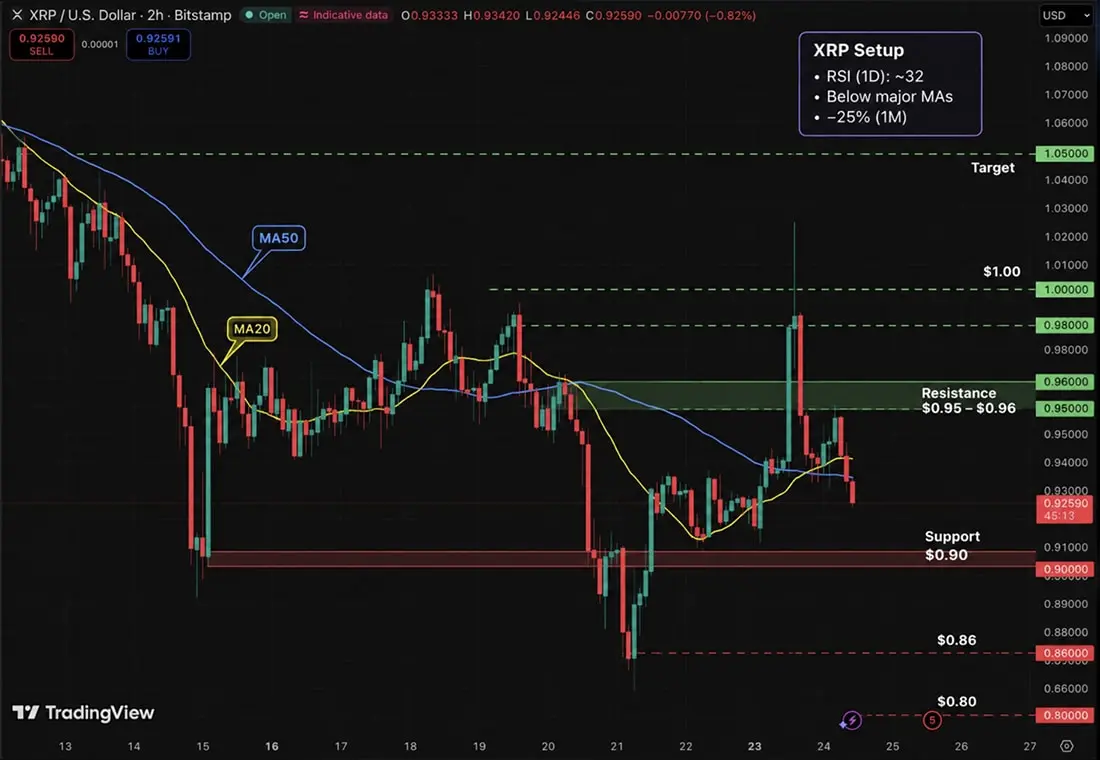 XRP Price Prediction: David Schwartz Clarifies 88% Sell-Off
 Meta’s AI Model Flags Imminent Bitcoin Reversal
The increase in domestic stockpiles suggests that supply chains are currently meeting demand more effectively than analysts previously anticipated. Beyond crude, both gasoline and distillate inventories also saw notable gains. This broader accumulation of energy products provides a buffer against the volatility that has dominated the energy sector throughout the year.
Market participants are closely tracking these inventory figures to gauge the health of the global energy landscape. While the sudden rise in stocks has pushed prices downward, the market remains sensitive to external pressures. Traders are balancing these domestic supply realities against ongoing geopolitical uncertainties that continue to threaten production stability.
Will Supply Stability Outlast Geopolitical Risks?
The current pricing shift highlights how quickly sentiment can change when storage data defies expectations. Analysts note that while the immediate pressure on prices has softened, the energy sector remains fragile. Production decisions made by major global players continue to loom over the market, keeping investors in a state of cautious observation.
The long-term outlook for oil remains complex as regional conflicts and production quotas compete with rising inventory levels. If American production continues to outpace consumption, prices may face further downward pressure in the coming weeks. However, any sudden disruption in global transit routes could quickly reverse these gains and reignite supply fears.
Market experts suggest that the current price dip is a direct reaction to the surplus data. Whether this trend persists depends largely on upcoming reports regarding international output levels. For now, the surplus serves as a necessary cooling mechanism for a market that has been under intense pressure for months.
Frequently Asked Questions
What caused the recent drop in oil prices? The decline was triggered by a significant increase in U. S. crude oil inventories. Data showed a 5.28 million barrel build-up, which calmed fears regarding potential supply shortages.
Are gasoline supplies also increasing? Yes, the latest industry data confirms that both gasoline and distillate inventories rose alongside crude stocks. This broad increase in available energy products has helped stabilize market sentiment.
Could geopolitical tensions reverse these price trends? Yes, despite the current surplus, global geopolitical instability remains a major factor. Any sudden disruption to production or supply chains could quickly offset the benefits of higher U. S. inventories.