Strict Caps Define the Scope of Trading
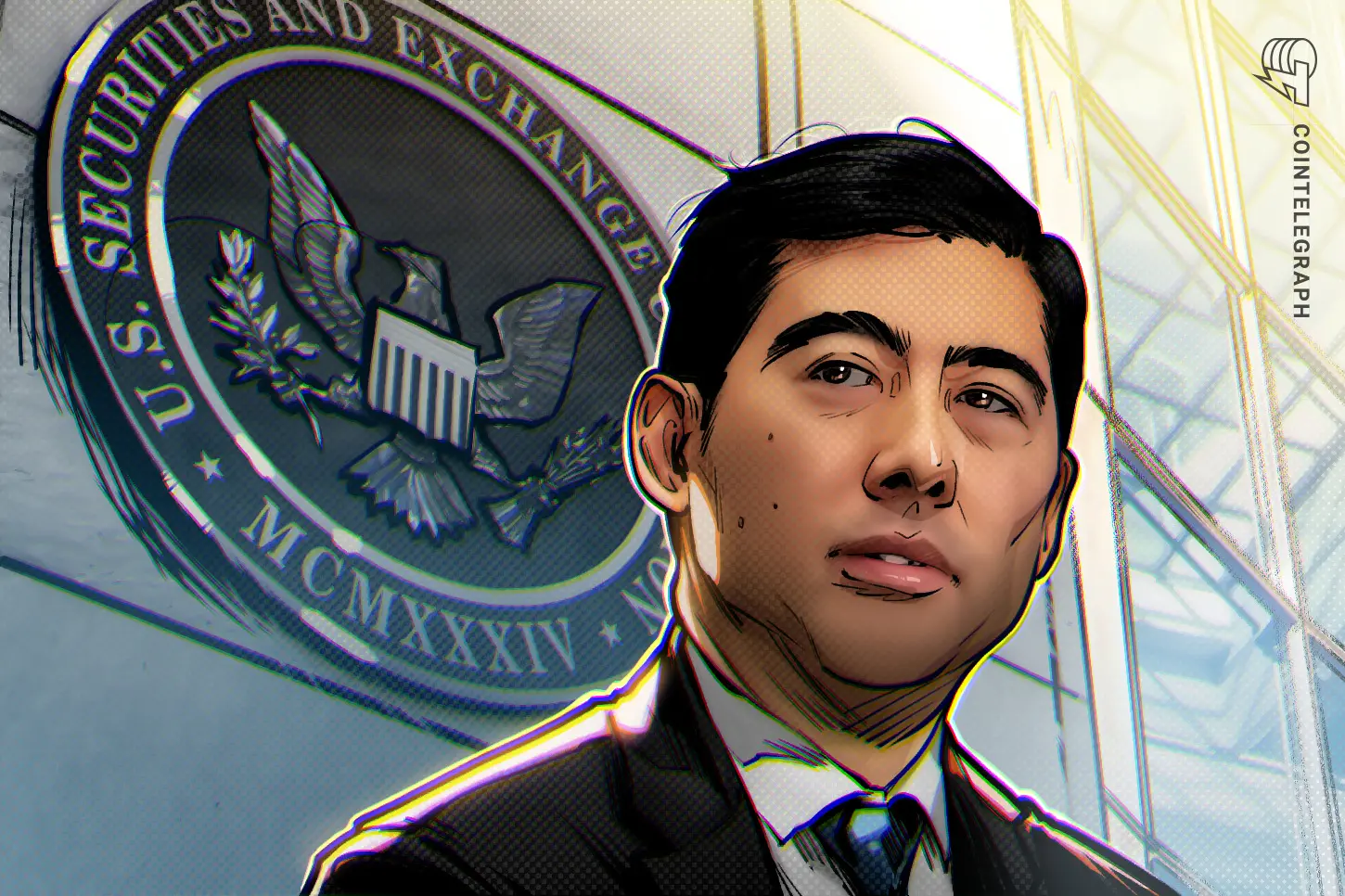
The US Securities and Exchange Commission has granted a temporary exemption that permits limited trading of tokenized American equities on specific onchain platforms. This regulatory move allows digital representations of traditional stocks to be bought and sold within defined boundaries. The approval targets a niche segment of the market, focusing on venues that meet strict compliance standards. It marks a significant step toward integrating blockchain technology with conventional securities markets.
Breaking news
 Crypto News Site Faces Sale After Google Penalty
 Justin Drake urges crypto ‘bunker mode,’ as AI could break wallet security within months
 XRP Whale Withdrawals from Binance Hit Seven-Month Peak
 What is a euro-pegged stablecoin?
The exemption operates under the SEC’s Innovation Exemption framework. This mechanism provides a safe harbor for innovative financial products while they undergo review. By using this tool, the agency avoids imposing full-scale regulations immediately. Instead, it sets clear conditions for participation. Market participants must adhere to specific trading caps to manage risk exposure. Transparency requirements are also mandatory, ensuring that all transactions remain visible and auditable. This approach balances innovation with investor protection during the pilot phase.
The temporary exemption is not a blanket approval for all tokenized assets. It applies only to designated onchain venues that have demonstrated robust security and governance protocols. Trading volumes are capped to prevent excessive concentration of risk. These limits ensure that the pilot program remains manageable for regulators. Participants must report their activities in real-time or near-real-time formats. This data flow helps the SEC monitor market dynamics closely. If anomalies appear, regulators can adjust the rules quickly. The focus remains on high-quality, liquid US large-cap stocks initially. Smaller or illiquid securities may face stricter scrutiny or exclusion.
How Will Regulators Monitor Compliance?
Transparency is a core pillar of this new framework. Every trade executed on these platforms must be recorded on the blockchain. This immutable ledger provides a permanent history of ownership changes. Investors can verify their holdings independently without relying solely on custodians. Smart contracts automate the settlement process, reducing counterparty risk. However, human oversight remains essential for exception handling. The SEC requires venues to maintain adequate reserves and insurance coverage. These safeguards protect investors in case of technical failures or smart contract bugs. The combination of code-based execution and traditional oversight creates a hybrid model.
Compliance monitoring will rely on automated reporting tools integrated into the trading platforms. Venues must submit daily summaries of all tokenized stock transactions. These reports include volume, price, and participant identity data. The SEC staff will analyze this information to detect potential violations. They will look for patterns indicating wash trading or market manipulation. Regular audits of the underlying smart contracts are also required. Independent third parties will verify the integrity of the code. If issues arise, the exemption can be revoked swiftly. This agile regulatory approach allows for rapid feedback loops. It encourages continuous improvement in platform design and operations.
The outcome of this pilot will shape future policy directions. If the program succeeds, the SEC may expand the scope to include more asset classes. It could also consider permanent rulemaking based on the gathered data. Conversely, if problems emerge, the agency might tighten restrictions or end the exemption. Industry observers expect this move to boost confidence in digital asset infrastructure. Institutional investors are likely to participate cautiously, testing the waters. Retail access may follow later, depending on performance metrics. The path forward depends heavily on how well the initial participants navigate the new rules.
Frequently Asked Questions
Which specific stocks are eligible for this exemption? The exemption primarily covers large-cap US equities with high liquidity. Smaller or less liquid stocks require additional justification and may face stricter limits.
How long does this temporary exemption last? The duration is set for a defined pilot period, typically ranging from six months to one year. Extensions are possible if the program meets its performance goals.
Can any onchain venue participate immediately? No, only venues that have applied and met specific technical and legal criteria can join. The SEC reviews each application individually before granting access.