
Closing the Verification Gap in Crypto Transfers
South Korean lawmaker Kim Hyun-jung has introduced a bill requiring crypto exchanges to verify wallet ownership before processing transfers. The proposal targets self-custodied wallets used in exchange transactions. This measure aims to close a loophole where funds move to unverified addresses.
Breaking news
 Bitcoin Miners Face Hardware Shortage as AI Boom Strains Chip Supply
 Claude AI Forecasts Chainlink Plunge in 2027
 XRP Crashes to $0.87 as ETF Assets Fall Below $1 Billion
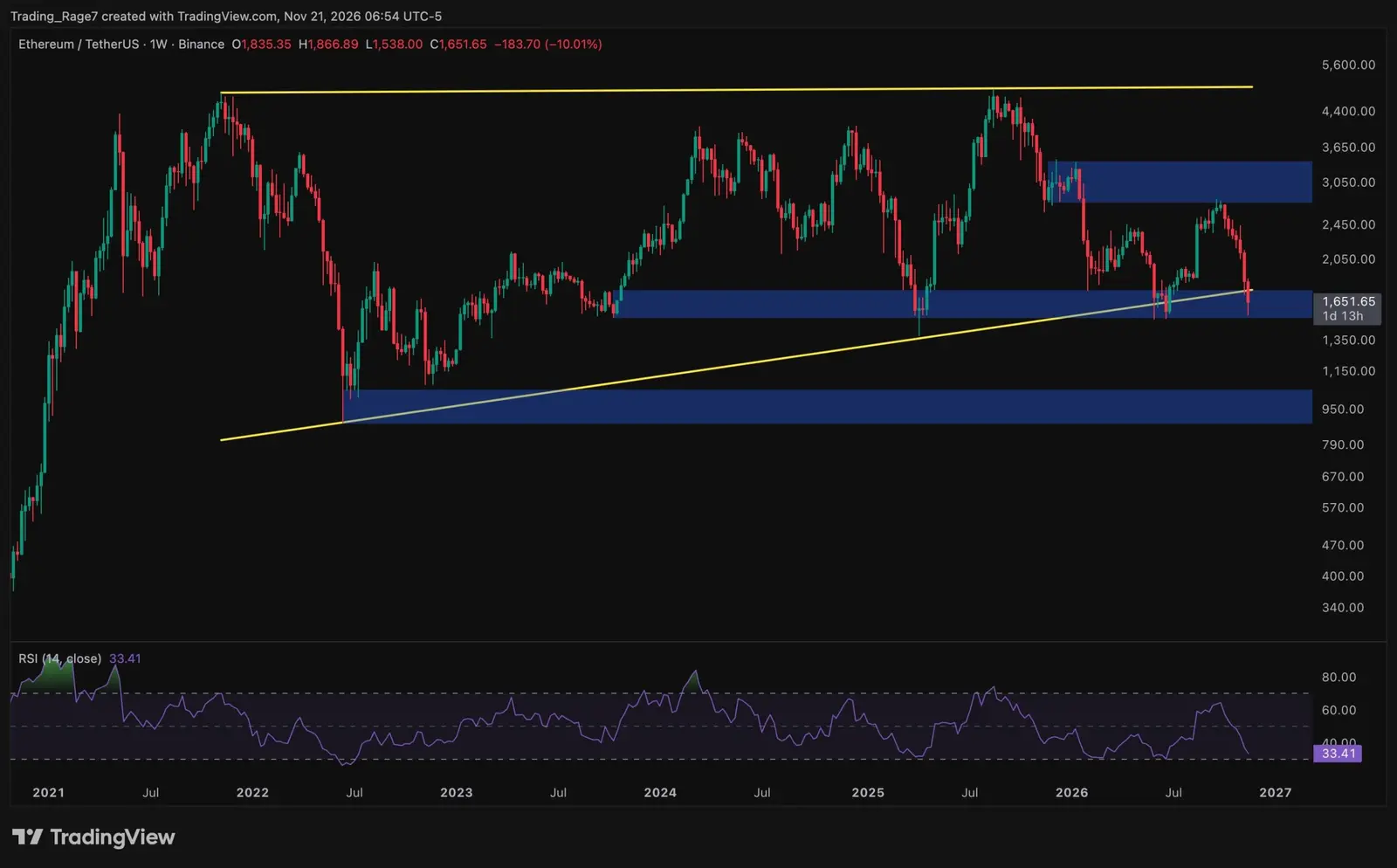 Ethereum price analysis: Did ETH hit its macro bottom after a 30% monthly drop?
The amendment mandates that exchanges confirm the identity of the wallet holder. Before moving coins to or from a self-custodied wallet, platforms must perform a verification step. This prevents unauthorized transfers and reduces fraud risk.
Currently, exchanges can move funds to external wallets without confirming who controls them. Kim's bill changes that. Exchanges would need to prove the wallet belongs to the account holder. This creates a direct link between the user and the destination address.
Will Stricter Rules Boost Investor Trust?
The rule applies specifically to self-custodied wallets, not exchange-internal accounts. It forces platforms to ask a pointed question before moving coins: whose wallet is this, exactly? Verification could involve knowledge proofs or ownership challenges.
Supporters argue the change will enhance transparency and investor confidence. By verifying wallet ownership, exchanges reduce the chance of funds being diverted to unknown addresses. Critics worry the added step may slow down transactions.
The bill now moves through the National Assembly. If passed, exchanges would have a compliance window before the rules take effect. Industry groups are monitoring the proposal closely.
Frequently Asked Questions
What exactly does the new rule require? Exchanges must verify that the self-custodied wallet belongs to the account holder before moving funds. This prevents transfers to unverified or third-party addresses.
Which wallets does this apply to? The rule targets self-custodied wallets used in exchange transactions. It does not apply to internal exchange accounts or hot wallets managed by the platform.
What happens if the bill passes? Exchanges would need to implement verification procedures within a set compliance period. Failure to comply could result in regulatory penalties.