
How ShieldTX Disrupts Bot‑Driven Copy Trading
Avail introduced ShieldTX on Monday, a privacy‑focused tool for users of the Hyperliquid perpetual futures platform. The service automatically generates a distinct wallet for every open position, separating each trade from a trader’s main address. By doing so, it aims to block copy‑trading bots that scrape public wallet data and replicate orders within seconds, often at less favorable prices for the original trader.
Breaking news
 Bitcoin Miners Face Hardware Shortage as AI Boom Strains Chip Supply
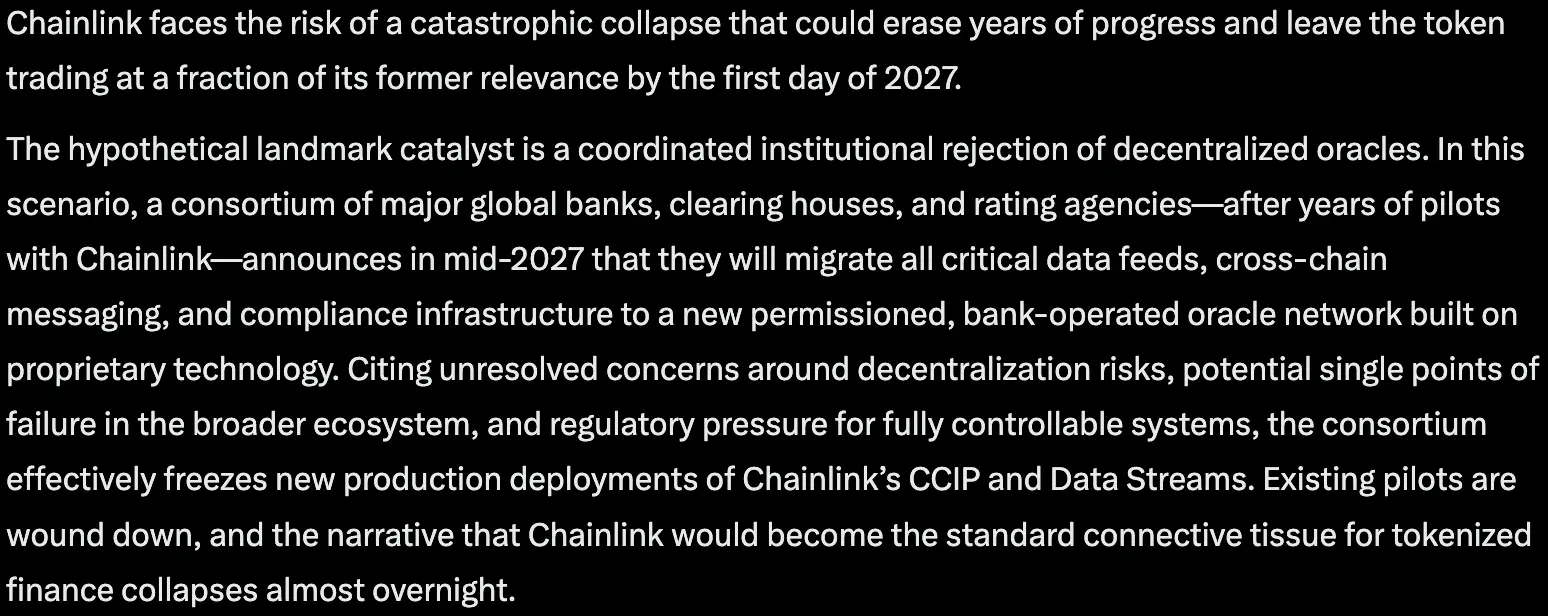 Claude AI Forecasts Chainlink Plunge in 2027
 XRP Crashes to $0.87 as ETF Assets Fall Below $1 Billion
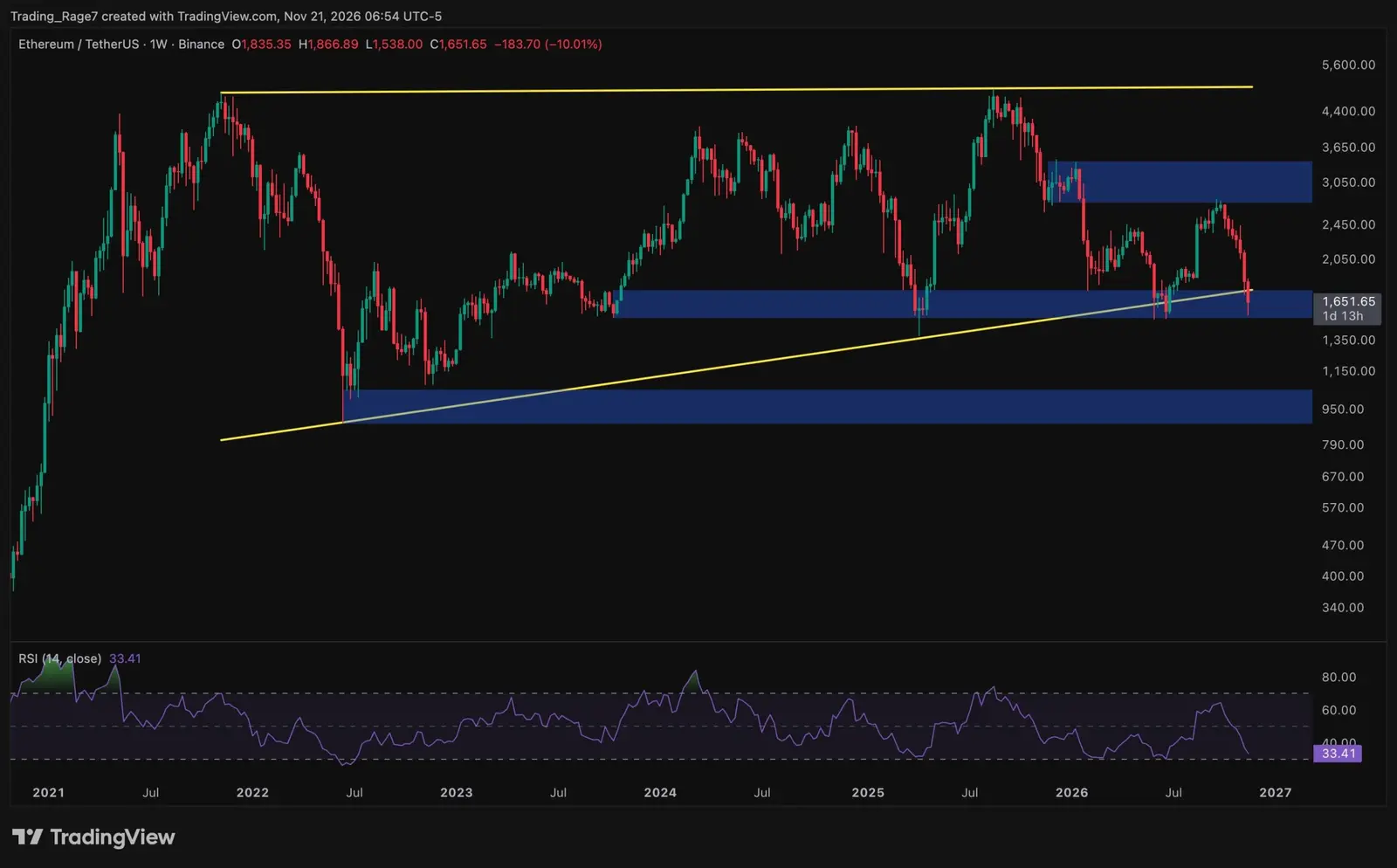 Ethereum price analysis: Did ETH hit its macro bottom after a 30% monthly drop?
Hyperliquid’s open‑ledger design makes wallet balances and transaction history visible to anyone on the network. This transparency has attracted automated bots that monitor high‑performing traders, copy their moves, and flood the market with similar orders. The resulting competition can widen spreads and degrade execution quality for the source trader. ShieldTX counters this by fragmenting a trader’s activity across multiple wallets, making it difficult for bots to link a series of trades to a single entity. The tool integrates directly with Hyperliquid’s API, requiring no manual wallet management from the user.
ShieldTX creates a fresh, single‑use wallet each time a trader opens a new perpetual futures contract. The wallet holds only the margin and position for that specific contract, then self‑destructs after the trade closes. Because each wallet’s address changes constantly, bots that rely on static address monitoring lose the ability to track a trader’s full activity.
„Copy‑trading bots thrive on the predictability of public addresses,” said Maya Patel, Avail’s product lead. „By randomizing wallet identities per position, we restore a level of privacy that was previously impossible on a fully transparent chain.”
Will ShieldTX Prompt a Shift Toward More Private Trading Practices?
Early adopters report that the tool adds negligible latency, as the wallet generation occurs in milliseconds before order submission. Moreover, ShieldTX’s architecture preserves the user’s ability to view consolidated performance metrics through Avail’s dashboard, ensuring that traders retain insight into their overall strategy without exposing granular data.
The launch raises questions about the future balance between blockchain transparency and trader privacy. Regulators and exchanges have long debated the merits of open data versus the need to protect market participants from predatory automation. ShieldTX could set a precedent, encouraging other platforms to adopt similar privacy layers.
Critics argue that obscuring trade data might hinder market analysis and price discovery, potentially reducing overall liquidity. However, proponents contend that protecting individual traders from bot exploitation fosters a healthier ecosystem where genuine human strategies can thrive without being instantly mirrored.
Frequently Asked Questions
As more traders adopt ShieldTX, Hyperliquid may see a dip in the volume of bot‑generated orders, possibly tightening spreads for genuine participants. The tool’s success could also inspire competing privacy solutions, sparking an industry‑wide push for more nuanced data visibility controls.
How does ShieldTX affect my trading speed? The wallet creation process runs in the background and adds only a few milliseconds, which is imperceptible for most traders.
Is my overall account balance still visible on the blockchain? Only the aggregated balance of your main account is shown; individual position wallets are temporary and not linked publicly.
Can I disable ShieldTX for specific trades? Yes, the platform allows you to toggle the privacy feature on a per‑trade basis through the Avail interface.