The Cost of Cross-Venue Hedging
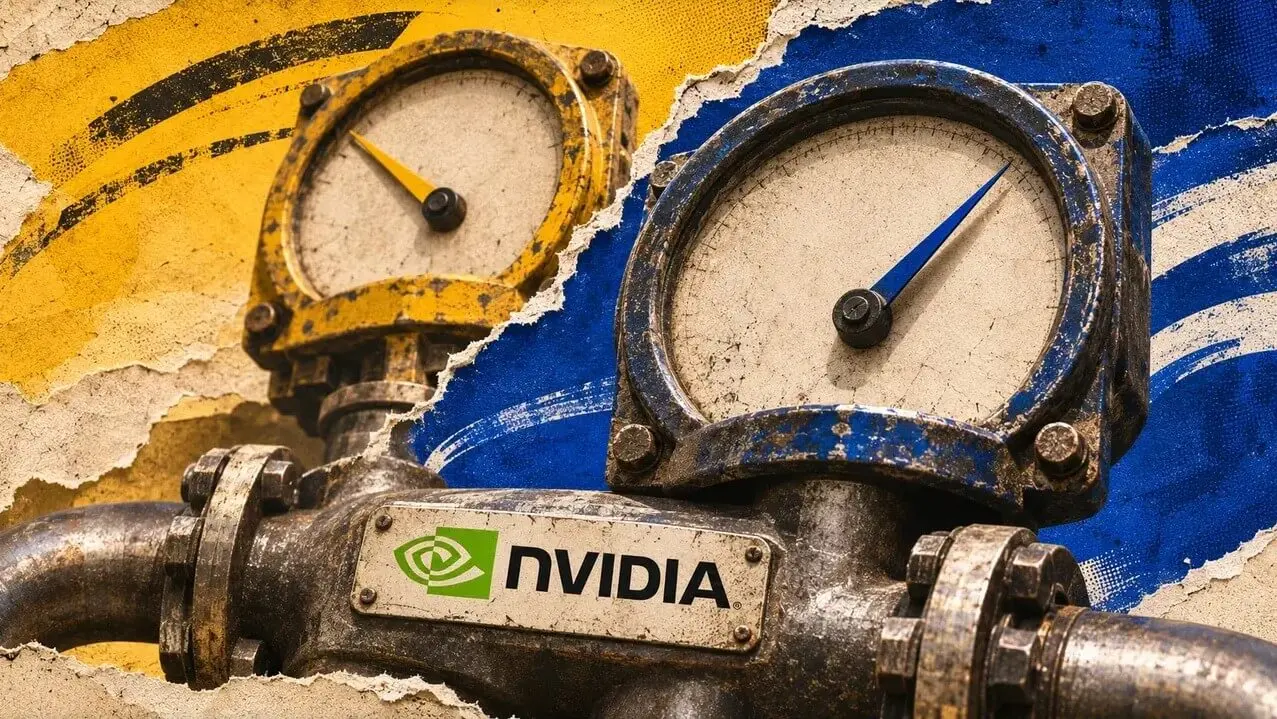
The multi-billion dollar effort to bring traditional equities into decentralized finance is encountering significant financial headwinds. Recent data reveals that traders are paying substantial premiums to maintain positions across different platforms. This divergence highlights a growing inefficiency in the market structure for equity perpetual futures. The issue is particularly acute for high-profile tech stocks like Nvidia.
Breaking news
 Claude AI Forecasts Chainlink Plunge in 2027
 XRP Crashes to $0.87 as ETF Assets Fall Below $1 Billion
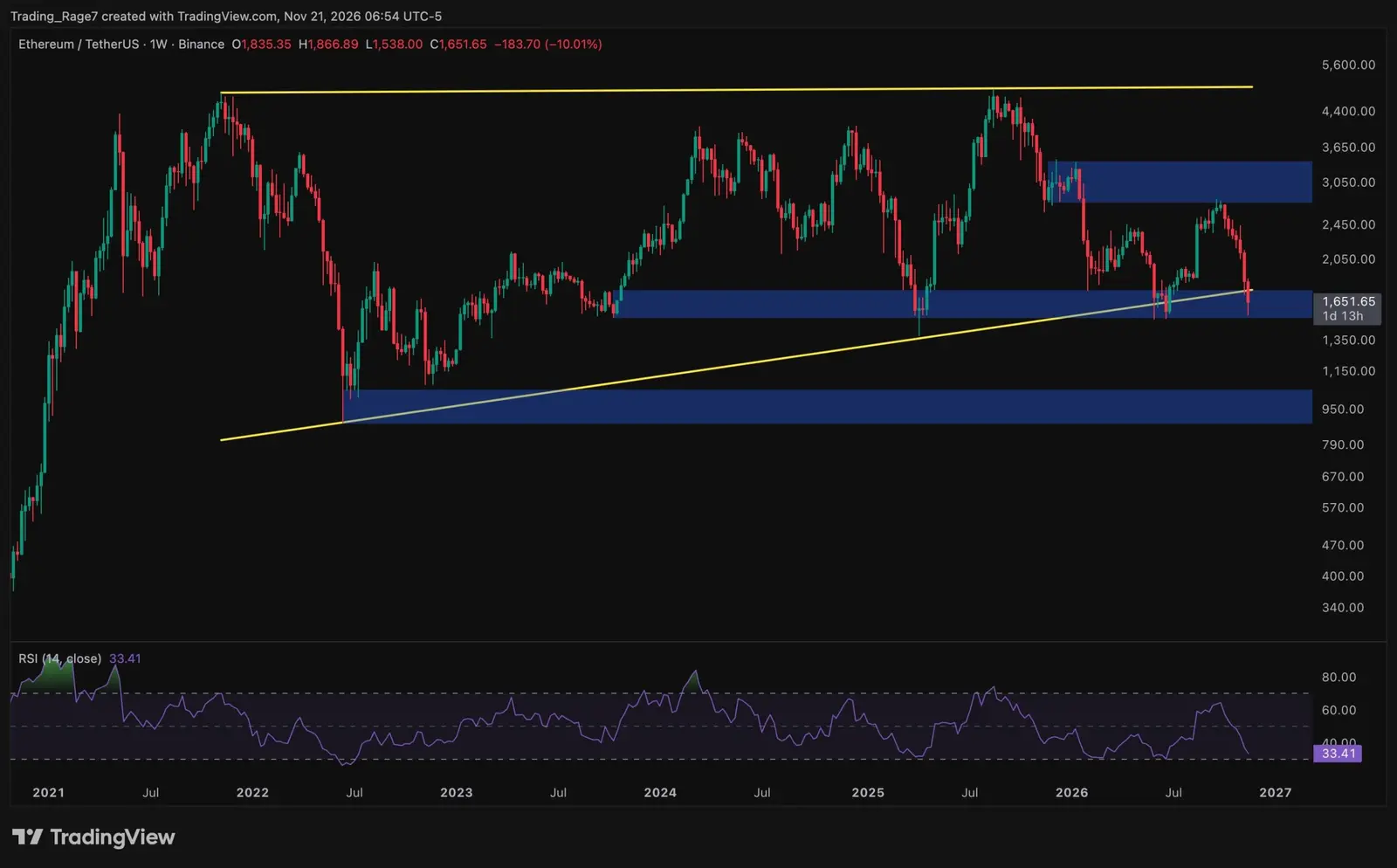 Ethereum price analysis: Did ETH hit its macro bottom after a 30% monthly drop?
 Bitcoin Reclaims $60,000 After Sharp Summer Selloff
Traders seeking to hedge or speculate on major US stocks are facing uneven costs. These costs vary significantly depending on which exchange they use. The disparity stems from imbalanced supply and demand for these specific derivatives. As a result, the theoretical benefit of cross-market arbitrage is eroding. Investors must now factor in these persistent funding spreads into their risk models.
Talos, a data analytics firm, measured the average funding spreads across major platforms. For the ten largest equity perpetuals, the average spread reached 23 percent. In comparison, the ten largest crypto perpetuals showed a much tighter 12 percent spread. This gap indicates that equity derivatives are currently less efficient than their crypto-native counterparts. The higher costs reflect a scarcity of liquidity on certain venues.
Why Liquidity Fragmentation Hurts Traders
Nvidia serves as a prime example of this market imbalance. A snapshot from November 18 showed distinct funding rates. Long positions in Nvidia paid higher funding rates on Binance over a seven-day period. Over a longer thirty-day window, the premium was higher on a Hyperliquid market. This suggests that liquidity is fragmented and not easily accessible across all platforms. Traders cannot simply move their positions to find the best rate without incurring additional friction.
A trader attempting to hedge across multiple venues faces a complex problem. They must pay trading fees to execute these moves. These fees, combined with the funding spread, can eliminate potential profits. The act of rebalancing a portfolio becomes costly and risky. This creates a barrier for institutional players who rely on precise hedging strategies.
The core issue lies in the fragmented nature of the market. Unlike traditional stock exchanges, decentralized platforms operate in silos. Each venue has its own order book and liquidity pool. When demand for a specific equity contract spikes on one platform, the funding rate rises. Other platforms may not see the same pressure, leading to a spread.
This fragmentation forces traders to make difficult choices. They must decide whether to accept a higher funding rate or pay transaction fees to move funds. Neither option is ideal for high-frequency strategies. The current infrastructure does not support seamless capital movement between these distinct ecosystems. As a result, the $11 billion bet on integrating Wall Street with crypto is running into technical and economic limits.
Frequently Asked Questions
What is the average funding spread for equity perpetuals? Talos data shows an average spread of 23 percent for the top ten equity perpetuals. This is significantly higher than the 12 percent average seen in major crypto perpetuals.
Which platform had higher Nvidia funding rates? Nvidia longs paid more on Binance over a seven-day period. Over a thirty-day period, the higher rates were observed on a Hyperliquid market.
Why do funding spreads vary between venues? Spreads vary because liquidity is fragmented across different exchanges. Imbalanced supply and demand on specific platforms drive up the cost for long positions.