
Balancing Internal Control and External Expertise
The United States Treasury is currently establishing a formal framework to manage the significant cache of Bitcoin seized by federal law enforcement agencies. This initiative aims to modernize how the government stores and tracks digital assets recovered from criminal investigations, balancing internal security protocols with the growing need for professional third-party custodial oversight.
Breaking news
 Bitcoin Miners Face Hardware Shortage as AI Boom Strains Chip Supply
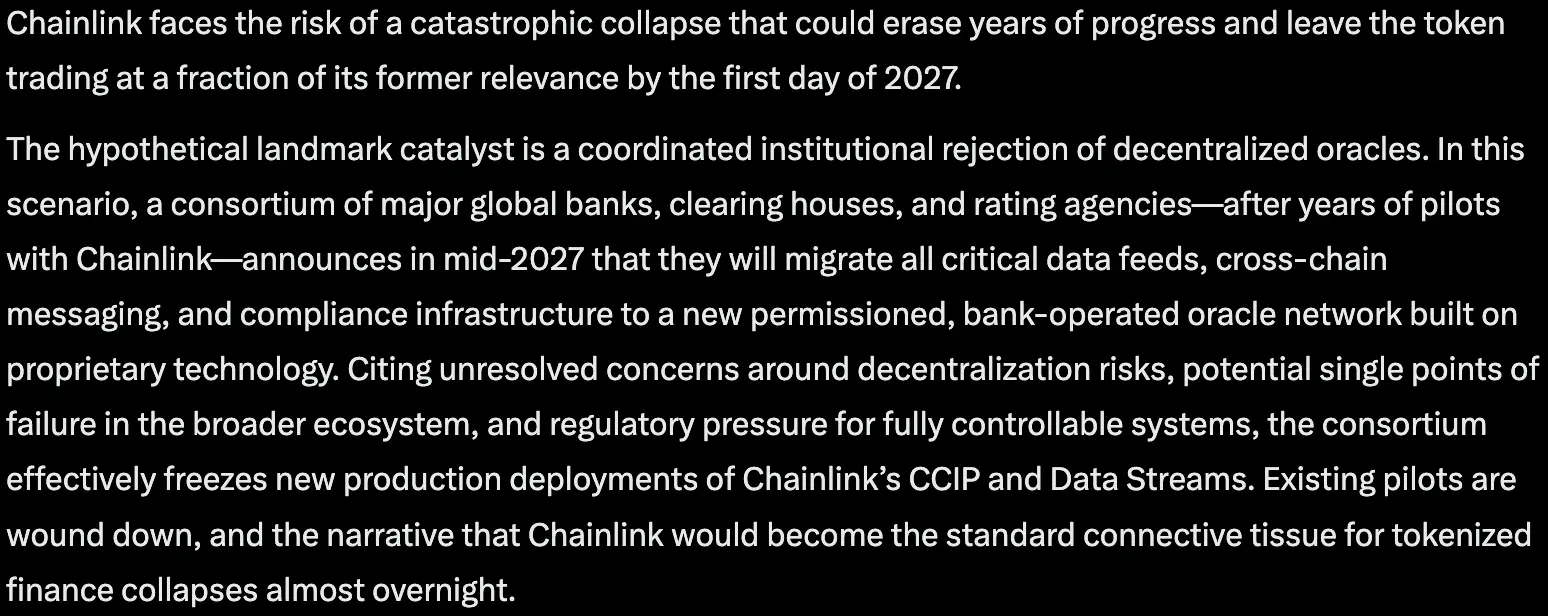 Claude AI Forecasts Chainlink Plunge in 2027
 XRP Crashes to $0.87 as ETF Assets Fall Below $1 Billion
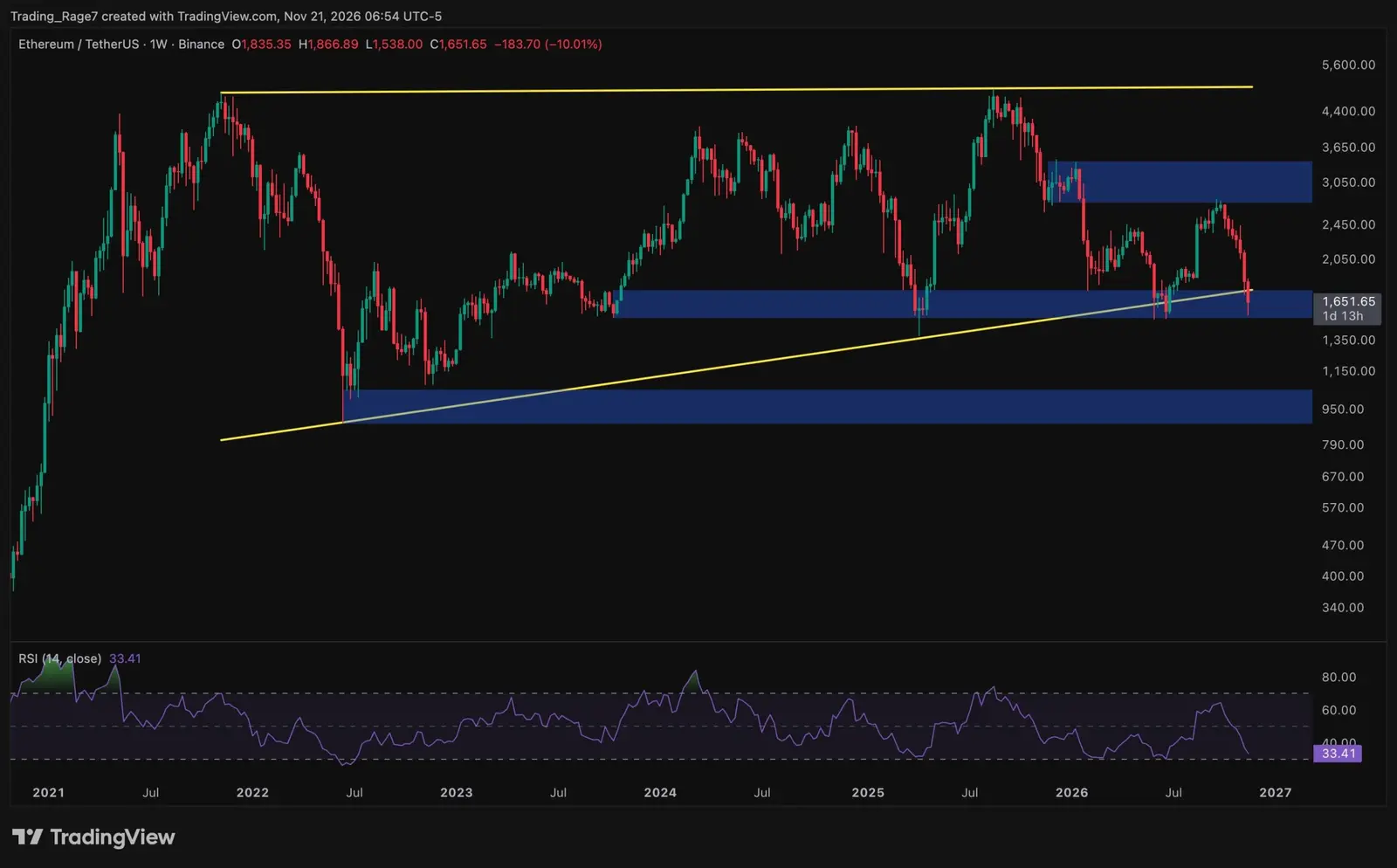 Ethereum price analysis: Did ETH hit its macro bottom after a 30% monthly drop?
Federal officials are moving away from relying solely on internal storage methods for these volatile assets. The proposed model integrates a hybrid approach, combining self-custody techniques with specialized external service providers. This strategy is designed to mitigate risks associated with cold wallet security while ensuring that the government maintains precise and transparent reporting of its total crypto holdings.
The shift toward a hybrid management system reflects the increasing complexity of federal asset forfeiture. By diversifying storage methods, the Treasury intends to harden its defenses against potential cyber threats and technical failures. This dual-layered strategy ensures that no single point of failure can jeopardize the integrity of the government’s digital treasury.
How Will This Framework Influence Market Stability?
Agencies have faced mounting pressure to improve the transparency of their crypto-asset reporting. The new framework will standardize how these holdings are audited and tracked across different departments. By incorporating institutional-grade custodians, the government hopes to align its digital asset management with the rigorous security standards found in the traditional financial sector.
The government’s decision to formalize its custody process could have broader implications for the digital asset market. As federal agencies refine their ability to hold and potentially move large quantities of Bitcoin, market participants are watching closely for signs of how these assets might be liquidated. Clearer protocols may reduce uncertainty regarding the government's long-term intentions for its seized holdings.
Frequently Asked Questions
Ultimately, this move signals that digital currencies have become a permanent fixture of federal asset management. By professionalizing their custodial infrastructure, officials are preparing for a future where digital assets are as common as traditional property in government portfolios. This transition marks a significant evolution in how the public sector interacts with the decentralized finance landscape.
Why is the Treasury changing its Bitcoin storage approach? The government is updating its methods to improve security and reporting accuracy for seized assets. A hybrid approach reduces risk by combining internal control with professional third-party oversight.
Will this framework affect the government's ability to sell its Bitcoin? The framework focuses on secure custody and management rather than liquidation policies. However, it provides a more structured environment for handling these assets during future legal proceedings.