
EIP-7702 Delegation: Power and Peril
Cardano creator Charles Hoskinson has publicly flagged a „seriously dangerous code” pattern tied to Ethereum’s EIP-7702 delegation feature. His analysis links the vulnerability to a rapid drain of a Binance hot wallet. The incident highlights growing concerns over smart contract security in the Ethereum ecosystem.
Breaking news
 Bitcoin Miners Face Hardware Shortage as AI Boom Strains Chip Supply
 Claude AI Forecasts Chainlink Plunge in 2027
 XRP Crashes to $0.87 as ETF Assets Fall Below $1 Billion
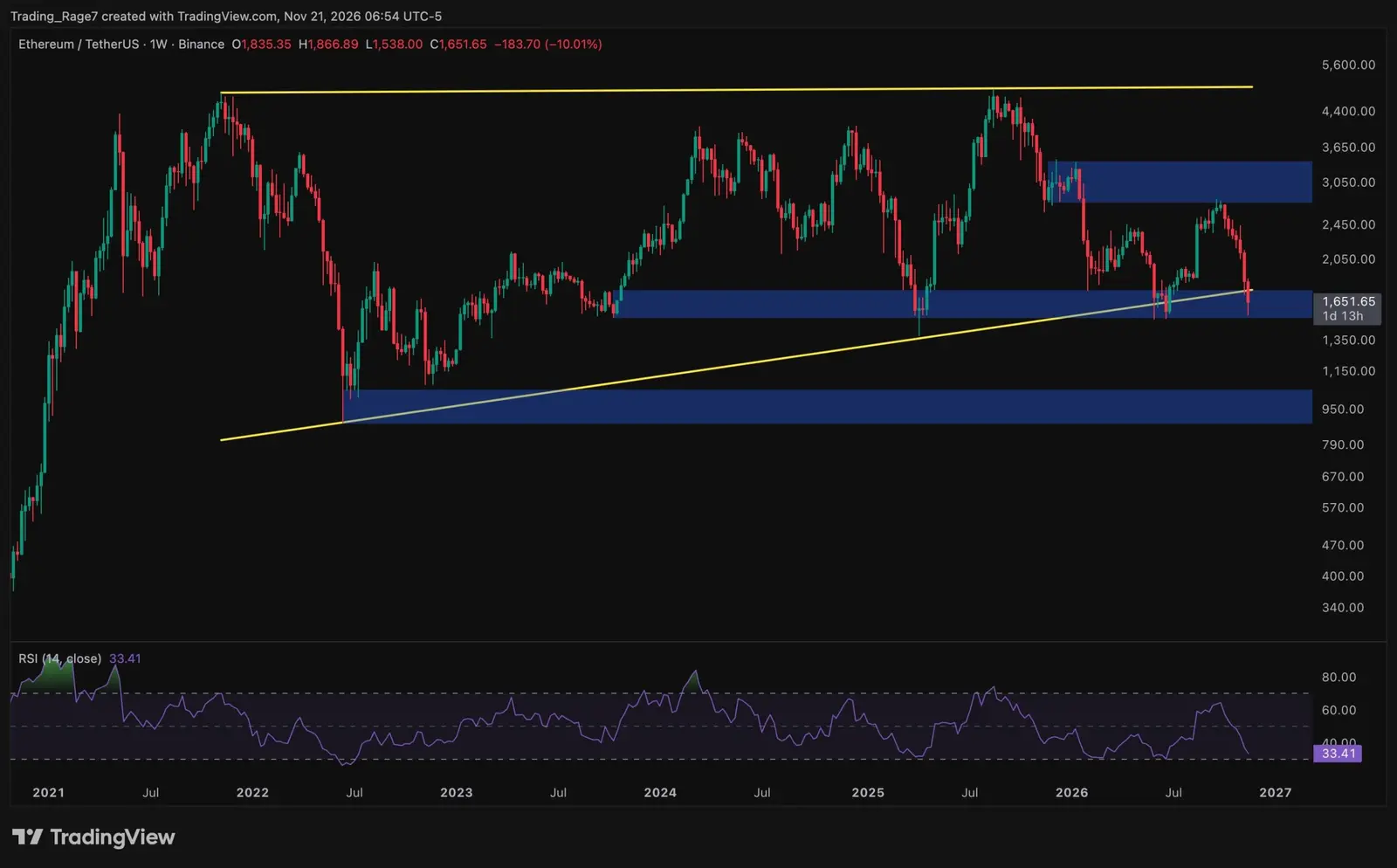 Ethereum price analysis: Did ETH hit its macro bottom after a 30% monthly drop?
Hoskinson shared a technical breakdown on social media, describing how the sweeper code was purpose-built to exploit Binance’s wallet infrastructure. He argued that EIP-7702’s delegation mechanism allowed attackers to move funds with minimal friction. The feature lets any address delegate spending authority to another address, which Hoskinson says was weaponized in this attack.
What Does This Mean for Crypto Security?
EIP-7702 introduced a delegation model where a wallet owner can authorize a third party to spend on their behalf. Hoskinson contends this design creates a single point of failure. If the delegate address is compromised, the attacker gains full control. His warning comes as the debate over EIP-7702’s security implications intensifies across the developer community.
The incident underscores a broader tension between usability and security in blockchain design. Delegation features simplify transactions but expand the attack surface. Hoskinson’s analysis suggests that without careful access controls, even established platforms like Binance remain vulnerable. The community is now re-evaluating how delegation permissions should be scoped and revoked.
What is EIP-7702? EIP-7702 is an Ethereum Improvement Proposal that introduces address delegation, allowing one address to authorize another to spend funds. It aims to simplify multi-signature and smart account workflows.
Frequently Asked Questions
Why did Hoskinson call the code „seriously dangerous”? Hoskinson described the sweeper code as dangerous because it exploited EIP-7702’s delegation to drain a Binance hot wallet quickly. He argued the code was custom-built to target Binance’s specific wallet setup.
Has Binance confirmed the attack? The source does not state whether Binance has publicly confirmed the incident. Hoskinson’s analysis is based on on-chain transaction data and code review.