
The Real Threat: Social Engineering Over Brute Force
Binance co-founder Changpeng Zhao issued a stark warning to the cryptocurrency community, stating that no digital wallet is 100% safe from modern hacking techniques. The statement came after he posted on X about the evolving nature of digital security.
Breaking news
 Bitcoin Miners Face Hardware Shortage as AI Boom Strains Chip Supply
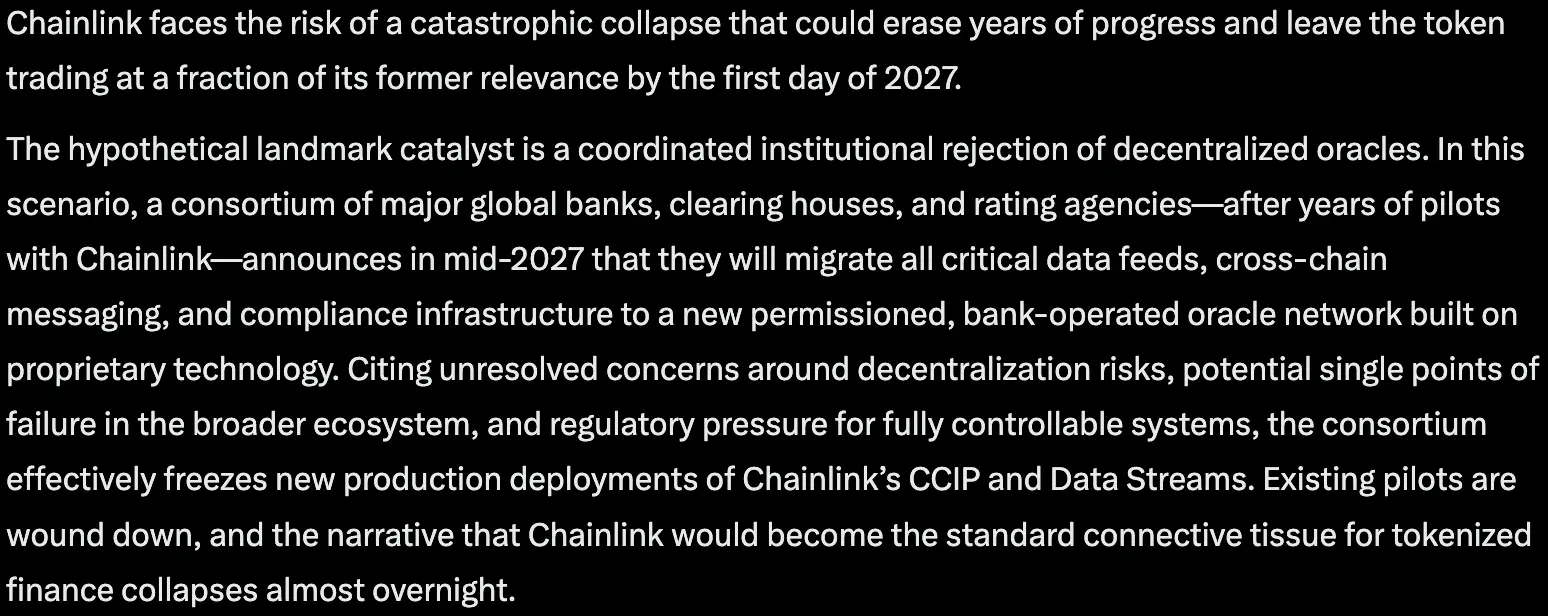 Claude AI Forecasts Chainlink Plunge in 2027
 XRP Crashes to $0.87 as ETF Assets Fall Below $1 Billion
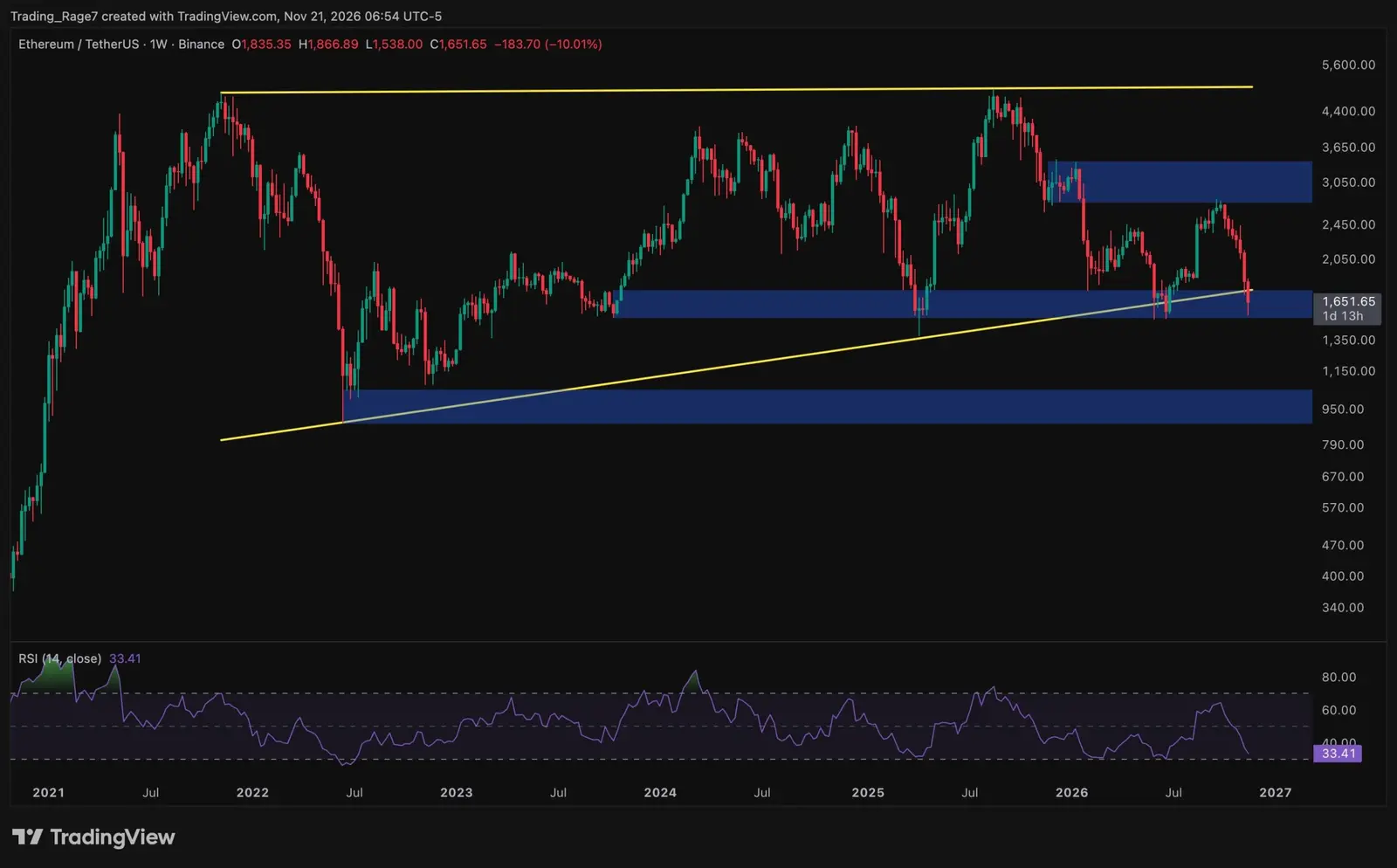 Ethereum price analysis: Did ETH hit its macro bottom after a 30% monthly drop?
Zhao emphasized that while AI is not yet capable of directly breaking Bitcoin’s core cryptography, it significantly lowers the barrier for phishing and social engineering attacks. He argued that attackers can now use machine learning to craft highly personalized scams, making it easier to trick users into revealing private keys or approving fraudulent transactions.
Zhao clarified that the immediate danger is not a mathematical breakthrough in cracking encryption. Instead, the risk lies in human vulnerability. AI tools allow bad actors to analyze user behavior, language patterns, and network activity to create convincing fake messages. This shifts the security burden from pure code to user awareness.
What Does This Mean for Crypto Holders?
He noted that phishing campaigns are becoming more sophisticated. Attackers use AI to generate custom emails or direct messages that mimic trusted contacts. This makes it harder for users to distinguish genuine communications from scams.
The warning suggests that users should never rely solely on the software itself. Zhao implied that security is a continuous process, not a one-time setup. Users must remain vigilant, verify communication channels, and use hardware wallets where possible.
Zhao’s comments reflect a broader shift in the industry. As AI becomes more integrated into daily life, the attack surface for crypto assets expands. The message is clear: assume every wallet has a weakness, and protect your keys accordingly.
Frequently Asked Questions
Is Bitcoin’s cryptography actually broken by AI? No. Zhao stated that AI has not yet cracked Bitcoin’s cryptographic foundation. The threat is indirect, through improved social engineering and phishing tactics.
Should I switch to a hardware wallet? While Zhao did not explicitly mandate it, his warning implies that minimizing digital exposure is wise. Hardware wallets keep private keys offline, reducing the attack surface for remote hacks.
Can AI predict when I will transact? Zhao suggested AI can analyze patterns in user behavior. This allows attackers to time their scams for moments when users are likely to be active or distracted.