
AI‑Assisted Phishing: A New Threat Vector
India’s national cyber‑security agency, CERT‑In, has issued a warning about a surge in AI‑driven attacks targeting financial institutions. The advisory, released early this week, highlights that attackers are re‑targeting firms after only partial remediation, and that several cryptocurrency exchanges have fallen victim to stolen wallet keys. No specific companies were named and the report does not disclose the financial impact.
Breaking news
 Bitcoin Miners Face Hardware Shortage as AI Boom Strains Chip Supply
 Claude AI Forecasts Chainlink Plunge in 2027
 XRP Crashes to $0.87 as ETF Assets Fall Below $1 Billion
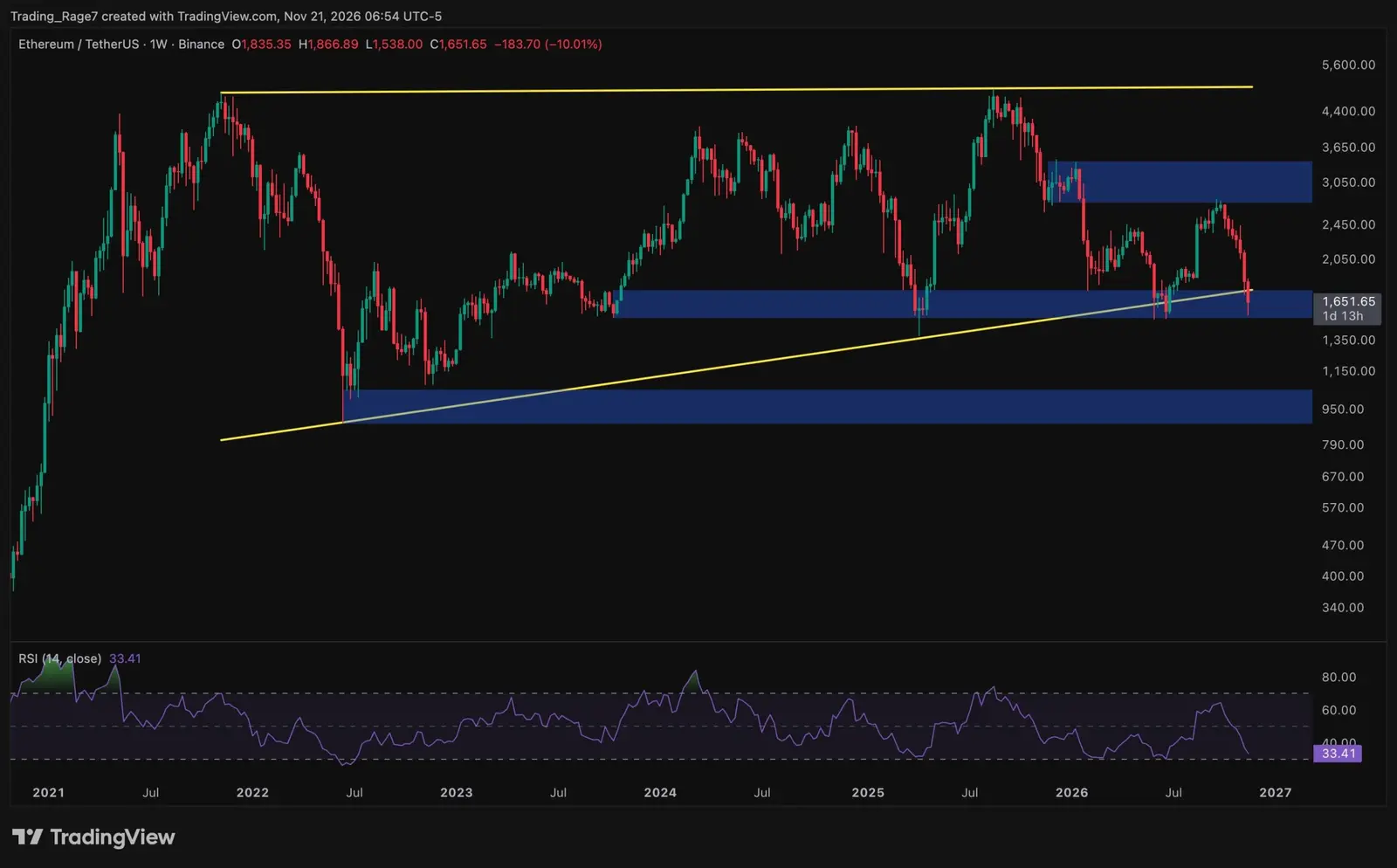 Ethereum price analysis: Did ETH hit its macro bottom after a 30% monthly drop?
The alert explains that attackers use machine learning to automate credential harvesting and to bypass security controls that were previously considered robust. CERT‑In notes that the attacks are becoming more sophisticated, with hackers employing advanced phishing techniques that adapt to user responses in real time. The agency stresses that even after a company believes it has fixed a vulnerability, attackers may still find new ways to exploit it, especially when AI can rapidly scan for weaknesses.
The advisory details how attackers craft emails that appear legitimate, using AI to mimic the language and tone of trusted contacts. Once a user clicks a malicious link, the AI system immediately extracts login credentials and, in some cases, the private keys that secure crypto wallets. CERT‑In reports that these stolen keys have allowed attackers to transfer significant amounts of digital currency to accounts they control. The agency warns that the speed of AI‑generated attacks can outpace traditional security monitoring, leaving firms exposed for longer periods.
Are Crypto Exchanges the Only Targets?
CERT‑In recommends that organizations conduct thorough eradication checks after any incident and establish continuous monitoring systems that can detect unusual activity patterns. The advisory also urges firms to adopt multi‑factor authentication and to regularly audit access logs for signs of unauthorized use. By combining human oversight with automated detection, companies can reduce the window of opportunity for attackers.
The question remains whether other financial services are equally at risk. CERT‑In’s report lists a range of affected entities, from traditional banks to fintech startups, but focuses on crypto exchanges because of the high value of the assets involved. „The pattern we see is that any organization holding valuable digital assets is a prime target,” the advisory says. „Even if the loss is not immediately apparent, the long‑term damage to reputation and trust can be severe.”
Industry experts suggest that the rise in AI‑powered attacks is part of a broader trend in cybercrime, where automation lowers the skill barrier for attackers. As a result, smaller firms that may not have dedicated security teams are increasingly vulnerable. The advisory calls for a coordinated response, including sharing threat intelligence across sectors and investing in advanced security solutions that can adapt to evolving attack techniques.
The consequences of ignoring these warnings could be dire. Beyond financial loss, compromised wallet keys can lead to regulatory penalties, legal action, and a loss of customer confidence. CERT‑In emphasizes that prevention is far cheaper than recovery, urging firms to act now before another breach occurs.
Frequently Asked Questions
What immediate steps should a company take after discovering a crypto wallet breach? Companies should isolate affected systems, revoke compromised credentials, conduct a full forensic investigation, and notify relevant authorities and stakeholders as required by law.
How can AI‑driven phishing be detected early? Implement email filtering that uses machine learning to flag suspicious patterns, enforce strict multi‑factor authentication, and monitor for anomalous login attempts or data exfiltration.
Will the government impose new regulations on crypto exchanges? CERT‑In is working with regulatory bodies to develop guidelines that require stronger security controls and regular audits for exchanges handling digital assets.